

Pit Bull Terriers often face unfair stereotypes fueled by media coverage and misconceptions. However, understanding their true history shows they were originally bred for work and loyalty, not aggression. With proper socialization, training, and responsible ownership, these dogs can be loving, intelligent companions. It’s important to look beyond stereotypes and appreciate their unique qualities. If you’re curious to learn more about how to care for and responsibly own a Pit Bull, keep exploring these insights.

Get pet supplies delivered free — and shop member deals
- Fast, free delivery on millions of items
- Access to Prime Big Deal Days deals on October 6–7
- Prime Video, Amazon Music and more included
Key Takeaways
- Understanding Pit Bulls’ breed history reveals their loyalty and intelligence, counteracting negative stereotypes.
- Proper socialization and positive training prevent aggression and promote well-behaved, balanced dogs.
- Responsible ownership, including patience and humane treatment, is essential for a safe and loving relationship.
- Media misconceptions often unfairly portray Pit Bulls; individual upbringing and environment heavily influence behavior.
- Providing proper care, nutrition, and a nurturing environment enhances their temperament and strengthens human-animal bonds.
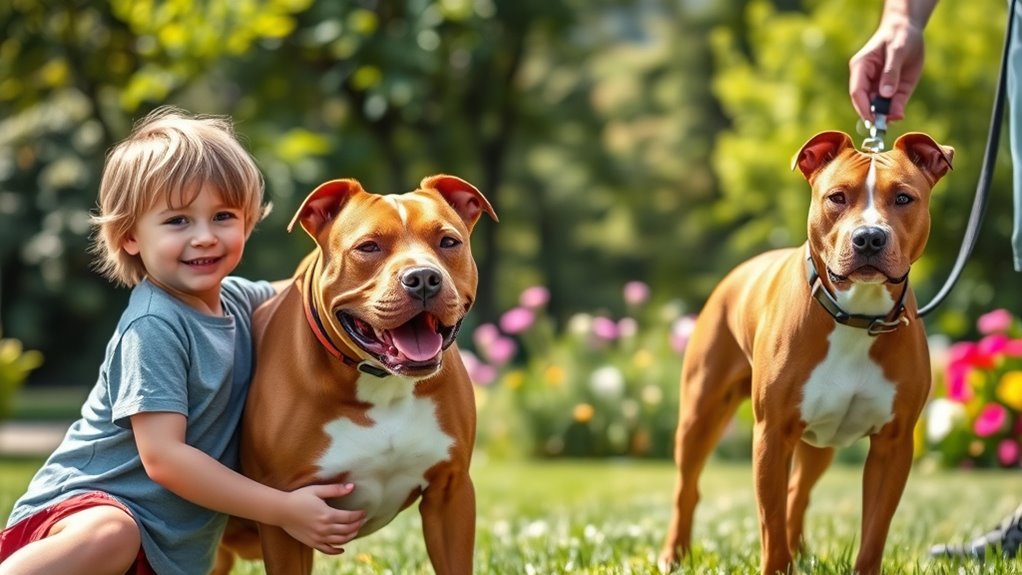
Are Pit Bull Terriers truly the aggressive dogs they’re often portrayed to be? The answer might surprise you. These dogs have a complex history that’s often misunderstood, and understanding their breed history can shed light on their true nature. Originally bred in the 19th century for bull-baiting and later as farm dogs, Pit Bulls were valued for their strength, intelligence, and loyalty. They weren’t inherently aggressive; rather, their reputation was shaped by how they were trained and treated. Unfortunately, media coverage and misconceptions have skewed public perception, portraying them as dangerous without considering the context of individual dogs or their upbringing.
So, what can you do to guarantee a positive relationship with a Pit Bull? The key lies in proper training tips that focus on socialization, consistency, and positive reinforcement. Early socialization is essential—expose your dog to various environments, people, and other animals in a controlled, positive way. This helps prevent fear or aggression from developing. When training your Pit Bull, focus on clear commands and rewarding good behavior. Use treats, praise, and playtime to reinforce positive actions. Remember, a confident, well-trained dog is less likely to act out aggressively. Consistency is critical; establish routines and boundaries so your dog understands expectations. Avoid harsh punishment, as it can foster fear and hostility. Instead, be patient and firm, and always reward desirable behavior. With time and effort, your Pit Bull can become a loving, obedient companion. Recognizing the importance of proper nutrition and health care can further support their well-being and temperament.
It’s also important to recognize that responsible ownership plays a significant role in shaping a dog’s temperament. No breed is inherently aggressive—behavior is a reflection of genetics, environment, and training. By understanding your dog’s breed history, you can better appreciate their instincts and needs. Pit Bulls are known for their loyalty and intelligence, which makes them highly trainable when approached with patience and kindness. They thrive on human interaction and can be excellent family pets when raised in a nurturing environment.
As an affiliate, we earn on qualifying purchases.
Frequently Asked Questions
Are Pit Bull Terriers Suitable for First-Time Dog Owners?
Pit bull terriers can be suitable for first-time dog owners if you’re committed to proper breed selection and dog socialization. You need to learn about their specific needs, including training and social skills, and be prepared to provide consistent, positive reinforcement. With patience and responsibility, these dogs can thrive in a loving home. However, guarantee you’re ready to meet their unique requirements and invest time in proper socialization from the start.
How Can I Tell if a Pit Bull Is Friendly or Aggressive?
You can tell if a pit bull is friendly or aggressive by observing its breed temperament and body language. A friendly dog often has relaxed posture, wagging tail, and soft eyes, while an aggressive one may stand stiff, show teeth, or have raised hackles. Watch for signs like lip licking or yawning, which indicate stress. Always approach calmly and let the dog come to you to better assess its mood.
What Training Methods Work Best for Pit Bull Terriers?
To achieve the best results with your pit bull, focus on positive reinforcement and consistency training. Reward good behavior with treats, praise, or play, encouraging your dog to repeat those actions. Keep training sessions short, engaging, and regular to build trust and understanding. Avoid harsh punishments, instead guiding your dog patiently. This approach nurtures confidence and fosters a strong bond, making training effective and enjoyable for both of you.
Do Pit Bulls Require Special Medical Care or Diets?
You don’t need special medical care or diets specifically for Pit Bulls, but breed-specific nutrition helps keep them healthy. Make certain they get a balanced diet suited to their age, size, and activity level, and schedule regular vet check-ups to address medical considerations like skin or joint issues common in the breed. By providing proper care, you support their well-being and prevent potential health problems.
How Do I Introduce a Pit Bull to Other Pets Safely?
Imagine opening a door to a new world; you want harmony, not chaos. To safely introduce your pit bull to other pets, use gradual socialization strategies. Start with brief, supervised meetings in neutral spaces. Keep leashes loose, observe body language, and reward calm behavior. Follow safe introduction techniques, like separate initial meetings, then slowly increase interactions. Patience and consistency help build trust, creating a peaceful coexistence for all your pets.
Conclusion
So, next time you hear “pit bull,” imagine a misunderstood superhero in a cape, not a villain with a frown. With proper training, love, and care, these dogs can be your loyal sidekick, not a ticking time bomb. Let’s stop the comic book villain stereotypes and start seeing them as the gentle giants they truly are. After all, it’s not the dog’s breed that makes the hero—it’s the heart behind it.
Fall Picks
fall essentials
As an affiliate, we earn on qualifying purchases.