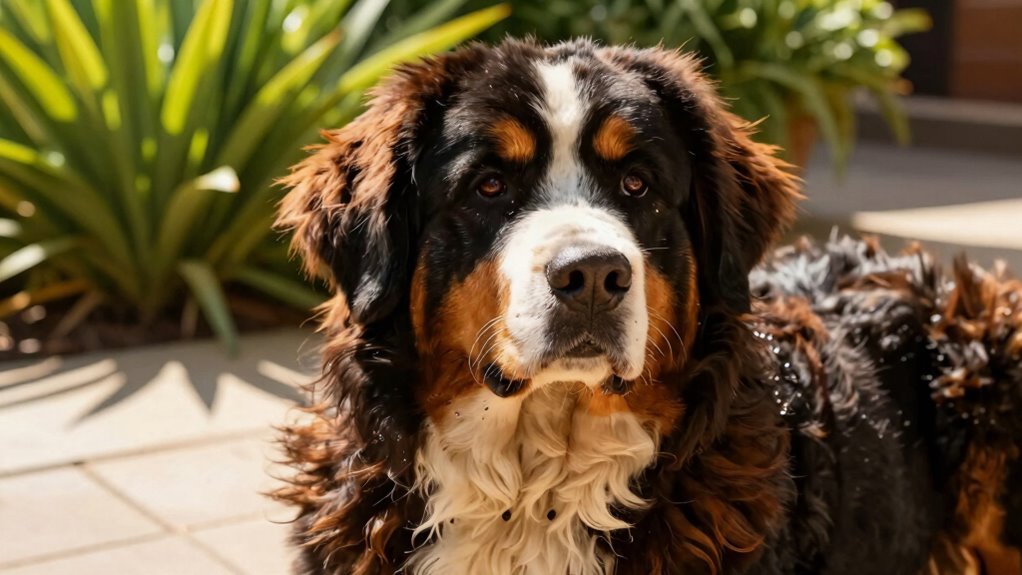
If you own a breed with dense fur or from cold climates, like Siberian Huskies, Malamutes, or Bernese Mountain Dogs, you’ll need to take extra heat precautions during summer. These breeds struggle to cool down and can quickly overheat. Keep them indoors during the hottest parts of the day, groom their coats appropriately, and monitor for signs of heat distress. Want more tips on keeping your furry friend safe and comfortable in summer heat? Keep going for detailed advice.

Get pet supplies delivered free with Prime
- Fast, free delivery on millions of items
- Prime Video, Amazon Music and more included
- Member-only deals all year
Key Takeaways
- Cold-climate breeds with dense fur, like Siberian Huskies and Malamutes, are more prone to overheating in summer.
- Regular grooming, including trimming, helps improve airflow and cooling for these breeds.
- Keep these dogs indoors during peak heat hours and provide shaded, cool resting areas.
- Avoid outdoor walks during the hottest parts of the day; opt for early mornings or late evenings.
- Watch for signs of heat distress, such as excessive panting or lethargy, and take immediate action if observed.
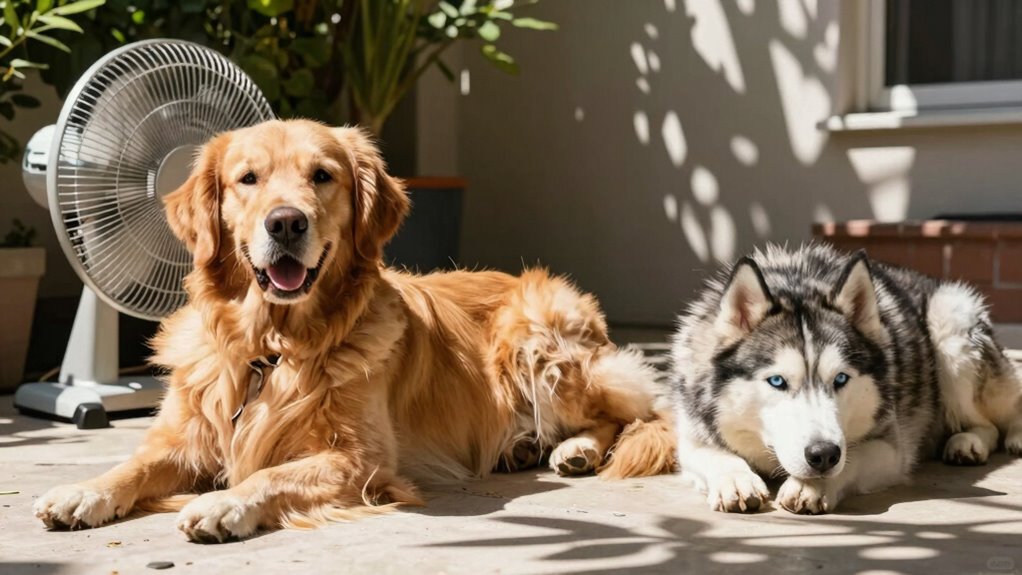
As summer temperatures rise, it’s paramount to recognize that some dog breeds are more vulnerable to heat than others. If your dog has a thick winter coat or comes from a cold climate, they may struggle to stay comfortable and safe during hot weather. These breeds often have dense fur that traps heat, making it harder for them to cool down naturally. You might notice your dog panting more than usual, seeking shady spots, or showing signs of discomfort in the heat. It’s imperative to plan ahead and take extra precautions to protect them from overheating.
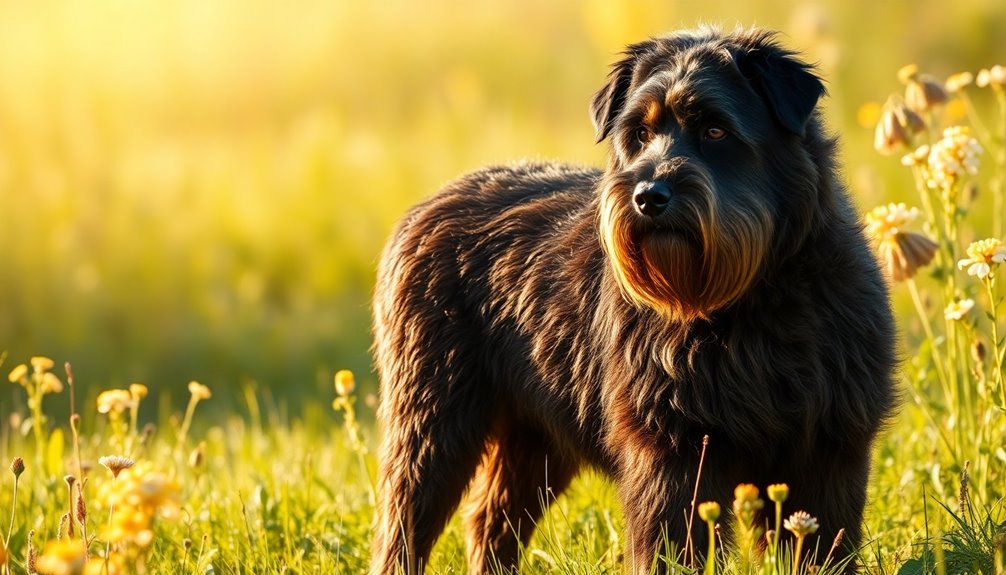
Breeds with a winter coat, such as Siberian Huskies, Malamutes, or Bernese Mountain Dogs, are built for cold climates. Their dense fur insulates them against freezing temperatures, but it also acts as a barrier in the summer. When temperatures climb, their thick coat can trap heat close to their bodies, increasing the risk of heatstroke. If you own one of these breeds, consider trimming their coat, but avoid shaving it completely, as their fur also protects them from sunburn and helps regulate temperature. Regular brushing can help remove loose fur and improve airflow, aiding in cooling. Keep your dog indoors during the hottest parts of the day, and provide plenty of fresh water and shaded areas for relief.
Winter-coated breeds need extra care in summer—trim, brush, and keep them cool indoors to prevent overheating.
In addition to grooming, you need to be mindful of the environment. Never leave your dog in a parked car, even for a few minutes, as temperatures can soar quickly and become deadly. Instead, opt for early morning or late evening walks when it’s cooler outside. Be aware that breeds adapted to cold climates often have less tolerance for heat, so monitor their behavior for signs of distress. Excessive drooling, lethargy, weakness, or vomiting are signs you need to act immediately. Providing a cool mat or fan can help, but these shouldn’t replace proper cooling measures. Also, understanding the thermal regulation of different breeds can help you better gauge their needs and prevent heat-related issues. Additionally, educating yourself about breed-specific tolerances can improve your ability to care for your dog during extreme temperatures. Recognizing the signs of heatstroke early can be lifesaving and should always be a priority.
Ultimately, understanding the needs of breeds with a winter coat or those from cold climates is indispensable for summer safety. You should be proactive in adjusting routines, grooming, and living conditions to prevent heat-related illnesses. Remember, your goal is to keep your dog comfortable and healthy, which means respecting their limits and giving them the environment they need to stay cool. Taking these steps now ensures that your furry friend remains safe and happy, even when the temperatures soar outside.
Products Worth Considering

Fi Series 3+ GPS Dog Collar & Tracker, Membership Required, Gray Large

PetSafe CozyUp Wooden Pet Bed Ramp, White

PetSafe Electronic Pet Door – Collar Key Sensor – Large (up to 100 lb)
As an affiliate, we earn on qualifying purchases.
Frequently Asked Questions
How Can I Tell if My Dog Is Overheating?
You can tell if your dog is overheating if they pant heavily, drool excessively, or seem unusually lethargic. Check their dog coat—if it feels hot or damp, that’s a sign. Also, consider their fat percentage; dogs with higher fat levels tend to retain more heat. Watch for signs of disorientation or vomiting, and always provide plenty of water and shade to keep them safe.
Are There Specific Summer Activities to Avoid for These Breeds?
You should avoid strenuous outdoor activities during peak heat, especially for breeds needing extra heat planning. Instead, opt for indoor cooling sessions or walk in shaded areas during cooler parts of the day. Always provide outdoor shade and access to water, and monitor your dog closely for signs of overheating. Keep playtimes short and sweet, prioritizing your dog’s comfort and safety in hot weather.
What Cooling Products Are Best for Sensitive Breeds?
Think of cooling products as a gentle breeze on a hot day. For sensitive breeds, cooling mats become your dog’s oasis, offering soothing relief. Breathable clothing acts like a shield, allowing air to flow and preventing overheating. You’ll find these tools essential in keeping your pup comfortable and safe during summer’s heat. Always choose high-quality, non-toxic options to make certain your sensitive breed stays cool and happy.
How Often Should I Hydrate My Dog During Hot Days?
You should hydrate your dog frequently during hot days, offering fresh water every 1-2 hours, especially if they’re active or outdoors. Keep an eye on hydration frequency to prevent dehydration, which can be dangerous. Incorporate cooling techniques like providing shaded areas and using damp cloths or cooling mats to help regulate their temperature. Regular hydration combined with these cooling methods keeps your dog safe and comfortable in the heat.
Can Certain Breeds Tolerate Heat Better With Proper Care?
Yes, some breeds tolerate heat better with proper care, like a well-tuned engine. You should consider breeding considerations and coat maintenance to help them adapt. Breeds with short coats or those bred for warmer climates naturally handle heat better, but regular hydration, shade, and cooling strategies are essential. By giving these dogs extra attention, you’ll guarantee they stay comfortable and healthy during sweltering days.
Conclusion
Remember, if you own breeds like the Afghan Hound or Bulldog, you should be extra cautious during summer heat. These dogs are more prone to heat exhaustion, so always provide plenty of shade and water. Did you know that heatstroke can develop in dogs within just 15 minutes of high temperatures? Staying vigilant keeps your furry friend safe and comfortable. By planning ahead, you guarantee summer adventures are fun and safe for your special pup.