Northern breeds test boundaries because their strong survival instincts, intelligence, and curiosity drive them to explore and patrol their environment. They often do this when they’re bored, confined, or lack mental stimulation, as these behaviors help them feel secure and fulfilled. Their natural instincts can lead to boundary testing or escape attempts. If you want to understand how to prevent this and keep your dog safe, you’ll find helpful tips ahead.

Get pet supplies delivered free with Prime
- Fast, free delivery on millions of items
- Prime Video, Amazon Music and more included
- Member-only deals all year
Key Takeaways
- Northern breeds have strong natural instincts to explore and patrol their territory, prompting boundary testing.
- Boredom and confinement can increase their urge to escape and seek stimulation elsewhere.
- Their high intelligence and alertness make them curious, leading to boundary testing behaviors.
- Providing environmental enrichment reduces boredom and minimizes escape attempts.
- Proper training and secure fencing help manage their boundary-testing tendencies effectively.
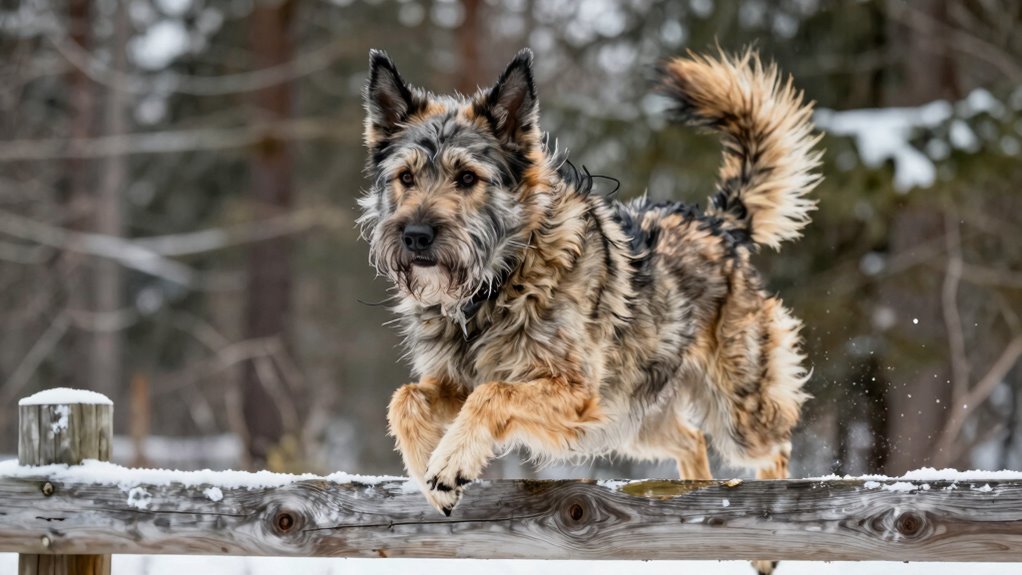
Northern breeds are known for their resilience and adaptability to harsh climates, but they also exhibit unique escape behaviors that can catch owners off guard. These dogs are naturally curious and independent, traits that have helped them survive extreme conditions for generations. However, those same qualities can lead them to test boundaries, especially if they feel bored or confined. Understanding why they try to escape is essential for creating a safe environment and establishing effective training techniques.
Northern breeds’ independence and curiosity often lead to escape attempts, especially when bored or confined.
One reason northern breeds attempt to escape is their instinct to explore and patrol their territory. They’re highly intelligent and alert, often sensing things beyond your perception, which prompts them to investigate their surroundings. If they’re left alone for long periods without stimulation, their natural curiosity can turn into restless behaviors. To prevent this, you need to incorporate environmental enrichment into their daily routine. Providing toys, puzzle feeders, or engaging activities helps keep their minds occupied and reduces the urge to escape. Rotating toys and introducing new challenges can also maintain their interest and prevent boredom from settling in.
Training techniques play a *key* role in managing escape behavior. Consistency is *essential*; you should establish clear boundaries and reinforce positive behaviors. When your dog stays within the yard or returns promptly when called, reward them with praise or treats. This positive reinforcement builds trust and helps them associate boundaries with rewards rather than punishment. If your dog attempts to escape, avoid harsh discipline, which can increase anxiety or fear and make escape attempts more *frequent*. Instead, redirect their attention to a more appropriate activity or command, and reward compliance. Recognizing their natural instincts can also guide you in tailoring training methods effectively. Additionally, understanding that their alertness is a survival trait can help you better anticipate and address their behaviors. Recognizing these innate behaviors and adjusting your approach accordingly can lead to more successful management. Providing a balanced environment that meets their physical and mental needs is key to reducing their desire to seek adventure elsewhere.
Environmental enrichment isn’t just about toys; it also involves creating a stimulating outdoor space. You can add visual barriers or plantings to block off tempting escape routes, or install secure fencing that’s tall enough and buried underground if necessary. Regular exercise is also *indispensable*—tire them out with walks, playtime, or agility exercises that challenge their physical and mental capacities. When you meet their needs for stimulation and mental engagement, they’re less likely to seek adventure elsewhere.
Ultimately, understanding your northern breed’s natural instincts and providing a well-rounded environment with effective training techniques can *considerably* reduce their desire to escape. You’re not just controlling their behavior—you’re supporting their mental health and strengthening your bond. With patience, consistency, and the right environment, you can manage their curiosity and keep them safe while honoring their independent spirit. Recognizing the importance of environmental enrichment can make a significant difference in preventing escape behaviors.
As an affiliate, we earn on qualifying purchases.
Frequently Asked Questions
Do All Northern Breeds Have Similar Escape Tendencies?
Not all northern breeds have the same escape tendencies. Your dog’s behavior is influenced by genetic predispositions and territorial instincts, which vary among breeds. Some northern breeds, like Huskies, are known for their strong desire to explore and escape, while others may be less inclined. Understanding your dog’s specific breed traits helps you anticipate their tendencies and implement effective containment strategies to keep them safe.
How Can Owners Prevent Escape Attempts Effectively?
To prevent escape attempts, you should provide enrichment activities that keep your dog mentally and physically stimulated. Regular exercise reduces their urge to escape out of boredom. Additionally, invest in sturdy fencing solutions designed to withstand their escape efforts. Make sure fences are high enough and secure at the bottom. Combining enrichment with proper fencing helps keep your Northern Breed safe and satisfied, minimizing their desire to test boundaries.
Are Escape Behaviors Linked to Breed Temperament?
Yes, escape behaviors are linked to breed temperament, especially in Northern Breeds. Their genetic predisposition and strong territorial instincts drive them to test boundaries and seek new territory. You’ll notice this tendency more if their environment doesn’t satisfy their natural instincts. To help prevent escape, you should provide plenty of mental and physical stimulation, secure fencing, and consistent training, which can channel their instincts appropriately and reduce their urge to escape.
What Environmental Factors Influence Their Testing Boundaries?
Environmental triggers like open fences, nearby wildlife, or unfamiliar scents can activate your dog’s territorial instincts, prompting boundary testing. Loud noises or sudden movements might also increase their desire to explore or escape. You should monitor these factors closely, as they influence your Northern Breed’s tendency to test limits. Providing a secure, stimulating environment helps reduce these behaviors, keeping your dog safe and satisfied.
How Does Training Impact Escape Behaviors in Northern Breeds?
A stitch in time saves nine, and proper training is key. When you focus on consistent obedience training and environmental enrichment, you help your northern breed understand boundaries better, reducing escape behaviors. You teach them what’s acceptable and build their confidence. Without clear guidance, they test limits. By actively engaging with positive reinforcement, you create a secure environment, making escape attempts less appealing and more manageable.
Conclusion
Think of northern breeds like explorers testing uncharted territory. Just last winter, I watched my husky dash toward the fence, nose to the wind, enthusiastic to see what lay beyond. It’s their way of understanding boundaries and asserting independence. When you recognize this instinct, you can guide their curiosity safely. Remember, their boundary testing is not defiance but a natural part of their spirit—like a trailblazer seeking new horizons, they push boundaries to thrive.
Fall Picks
fall essentials
As an affiliate, we earn on qualifying purchases.