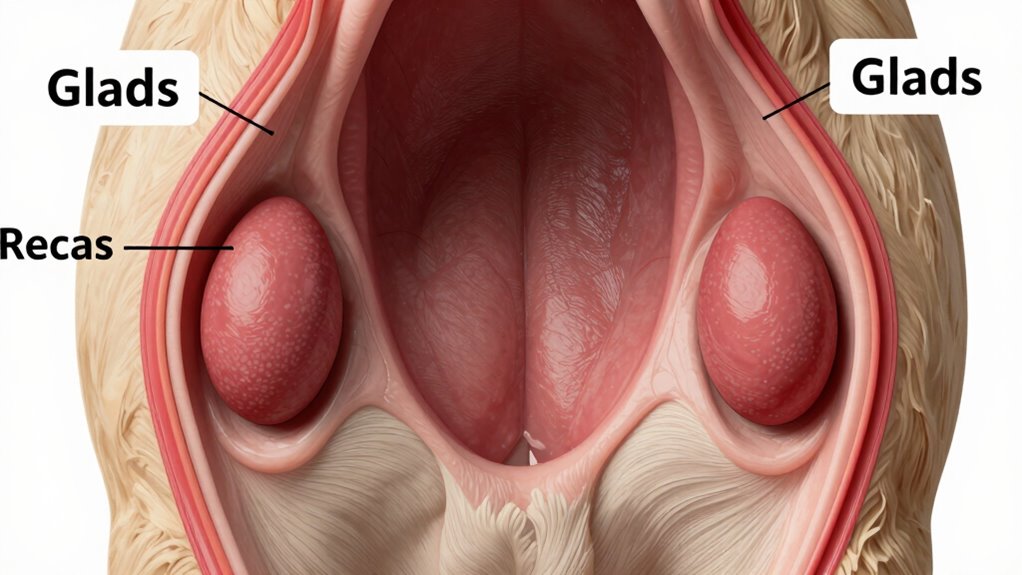

Anal glands are small, necessary structures located on either side of your dog’s anus that secrete a smelly fluid used for marking territory and communication. When healthy, they stay unnoticed, but problems like impaction or infection can cause discomfort, leading your dog to scoot, lick, or bite at the area. Knowing how these glands function and recognizing signs of trouble helps keep your pet comfortable. Keep exploring to find out how to care for and maintain their health effectively.

Get pet supplies delivered free with Prime
- Fast, free delivery on millions of items
- Prime Video, Amazon Music and more included
- Member-only deals all year
Key Takeaways
- Anal glands are small sacs that secrete a scent used for communication and territory marking in dogs.
- They typically function unnoticed unless impacted or infected, causing discomfort and behavioral changes.
- Common signs of problems include scooting, licking, biting near the anus, and difficulty defecating.
- Veterinary treatment involves manual expression, dietary adjustments, or medication to relieve discomfort.
- Regular check-ups and proper grooming help prevent anal gland issues and promote overall pet health.
Have you ever wondered what those small, mysterious glands near your pet’s anus are for? If you’re a dog owner, understanding these glands is essential for your dog’s health and well-being. These are the anal glands, also called anal sacs, and they play a vital role in your dog’s body, even if they aren’t often talked about. They’re small, usually about the size of a grape, and located on either side of your dog’s anus. Their primary function is to secrete a smelly fluid, which dogs often use to mark territory or communicate with each other. When functioning normally, these glands remain unnoticed, but problems can quickly arise if they become impacted, infected, or abscessed.
In terms of dog health, the anal glands are crucial because issues with them can lead to discomfort, pain, and even more serious infections if left untreated. When these glands don’t empty properly, they can become impacted or filled with a thick, foul-smelling substance. This can cause your dog to scoot their rear along the ground, lick or bite at their anus excessively, or seem unusually restless or irritable. These are clear behavioral signs that something might be wrong with their anal glands. If you notice your dog dragging their bottom across the floor or showing signs of discomfort during bowel movements, it’s a good idea to check with your veterinarian.
Understanding behavioral signs linked to anal gland issues helps you catch problems early. Dogs often communicate distress through behavior, and anal gland discomfort is no exception. Besides scooting or licking, your dog might squat more than usual, strain during defecation, or seem uncomfortable when sitting. Some dogs may become more aggressive or anxious because of the pain. Recognizing these signs allows you to seek prompt treatment, which may include expressing the glands manually, dietary changes, or medication prescribed by your vet. Regular check-ups can also prevent many anal gland problems, especially if your dog is prone to impaction. Additionally, knowing about anal gland function can help you better understand your pet’s health needs and maintain their comfort. It’s also helpful to learn about common causes of gland problems to prevent recurring issues. Proper understanding of the anal gland anatomy can further aid in early detection and effective management of these issues. Being aware of gland health maintenance strategies can further reduce the risk of problems developing over time. Furthermore, understanding gland problems and their causes can guide you in taking preventive measures and ensuring your dog’s overall well-being.
As an affiliate, we earn on qualifying purchases.
Frequently Asked Questions
Can Anal Gland Issues Affect a Dog’s Overall Behavior?
Yes, anal gland issues can affect your dog’s overall behavior. Poor anal gland health often causes discomfort, leading to behavioral changes like scooting, licking, or biting at the area. Your dog might become irritable or less active due to the pain. If you notice these signs, it’s essential to address the anal gland problems promptly to improve their comfort and prevent further behavioral issues.
Are Anal Gland Problems More Common in Certain Dog Breeds?
Yes, some dog breeds are more prone to anal gland problems due to breed predispositions and genetic factors. Small breeds like Chihuahuas and Pomeranians often experience issues more frequently, while larger breeds like Labrador Retrievers and Beagles can also be affected. These predispositions mean that certain breeds are naturally more susceptible, so staying vigilant and maintaining regular check-ups can help prevent or manage anal gland problems effectively.
How Often Should a Pet’s Anal Glands Be Checked by a Vet?
You should have your vet check your dog’s anal glands during annual wellness visits or if signs like scooting or licking appear. About 20% of dogs experience gland issues, highlighting the importance of regular checks. Understanding anal gland anatomy helps vets perform gland expression techniques effectively, reducing discomfort. Frequent checks make sure your pet stays comfortable and healthy, especially if they’re prone to problems or have a breed predisposition.
What Are the Signs of Chronic Anal Gland Inflammation?
If you notice your pet scratching their rear, scooting, or licking excessively, they might have chronic anal gland inflammation. Signs include swelling, redness, or a foul odor around the anus, which could indicate anal gland infections. In cats, look for Feline anal issues like difficulty defecating or visible discomfort. These symptoms suggest your pet needs a vet check to prevent further complications and guarantee proper treatment.
Can Diet Help Prevent Anal Gland Issues?
Did you know that a high-fiber diet can reduce the risk of anal gland issues by up to 50%? Yes, diet plays a vital role! By increasing your intake of fiber and staying well-hydrated, you support healthy stool consistency, making gland expression easier and preventing blockages. Proper hydration and a balanced diet promote overall health, reducing inflammation and keeping your anal glands functioning smoothly.
Conclusion
Now that you know the truth about anal glands, you can better understand your pet’s health without the misconceptions. These glands serve a real purpose, helping your furry friend communicate and stay balanced. Imagine how much smoother their life could be when you’re informed and attentive to their needs. Isn’t it time you saw their body as a fascinating system, rather than a source of weird myths? Your pet’s well-being deserves that kind of clarity.
Halloween Picks
halloween
As an affiliate, we earn on qualifying purchases.