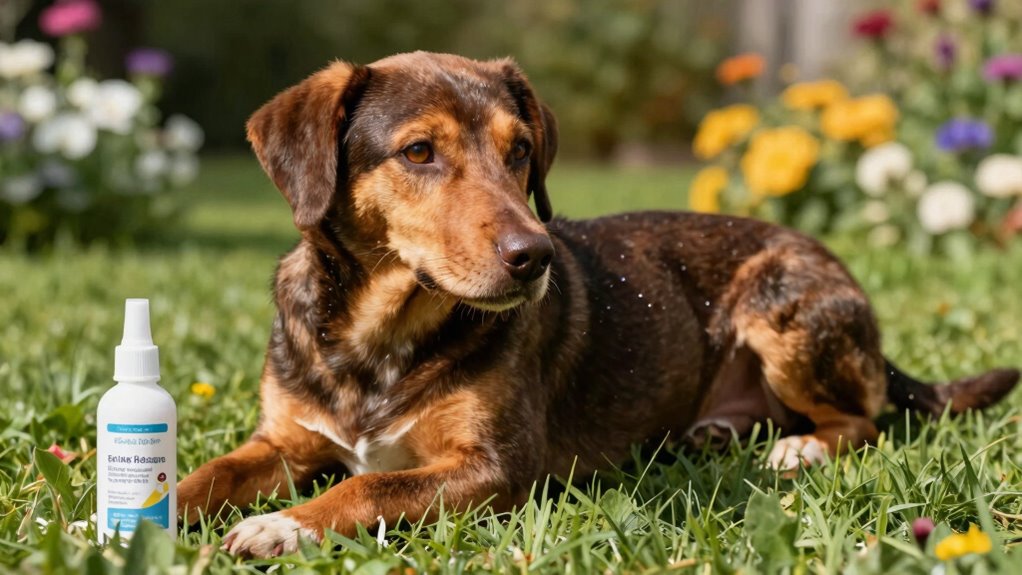

Your daily habits can considerably lower your risk of flea and tick infestations. Regularly grooming and inspecting your pets, maintaining a tidy yard by mowing and removing debris, and choosing pest-resistant plants all help reduce pest habitats. Wearing protective clothing and using repellents during outdoor activities also makes a difference. Staying vigilant and consistent with these practices creates a strong barrier against pests. Keep exploring to discover even more effective ways to protect yourself and your family.

Get pet supplies delivered free with Prime
- Fast, free delivery on millions of items
- Prime Video, Amazon Music and more included
- Member-only deals all year
Key Takeaways
- Regular pet grooming and inspection help detect and remove fleas and ticks early, reducing infestation risk.
- Maintaining a tidy yard with trimmed grass and debris eliminates common pest habitats.
- Using natural deterrents and pest-resistant plants can make outdoor spaces less attractive to pests.
- Wearing protective clothing and checking for pests after outdoor activities minimizes exposure risk.
- Consistent routines combining pet care and yard maintenance significantly lower overall flea and tick risks.
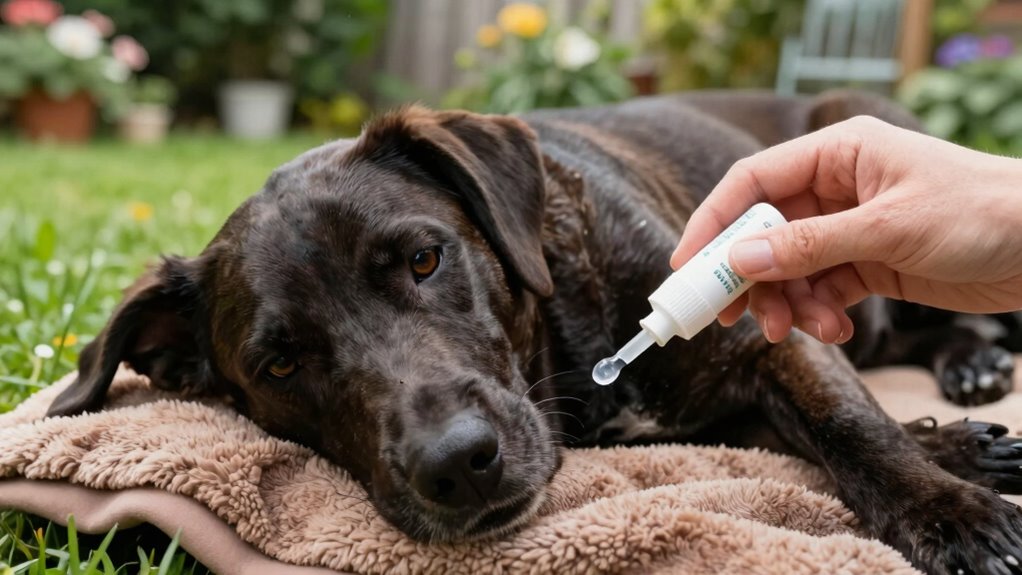
Fleas and ticks can quickly become a problem if you don’t take proactive steps to prevent them, especially since these pests thrive in outdoor environments and can easily latch onto your pets or even you. Your first line of defense involves understanding how your lifestyle choices influence the risk. Simplifying pet grooming routines is one of the most effective ways to keep fleas and ticks at bay. Regular brushing, bathing, and inspecting your pets help catch infestations early before they spread. Using veterinarian-recommended flea and tick preventatives further reduces the chances of pests taking hold. Consistent pet grooming not only removes existing pests but also helps you spot any signs of bites or irritation, so you can act quickly.
Yard maintenance plays an equally essential role in minimizing the outdoor risks. Tall grass, leaf litter, and dense shrubs create perfect hiding spots for fleas and ticks. By keeping your yard well-maintained—mowing your lawn regularly, trimming bushes, and removing debris—you reduce the habitat that these pests thrive in. Creating a barrier zone with gravel or wood chips along your yard’s perimeter can discourage ticks from migrating into your outdoor space. Eliminating standing water and ensuring good drainage also lessens the likelihood of attracting pests, since they prefer moist environments. Additionally, understanding pest habitats can help you target your control efforts more effectively. Moreover, using appropriate landscaping techniques can further make your yard less inviting for these parasites. Incorporating pest-resistant plants into your yard design can also help deter pests naturally. Regularly checking for ticks on yourself and your pets after outdoor activities is another essential step to prevent them from establishing a foothold.
Your daily activities and outdoor habits directly impact your exposure risk. If you spend a lot of time in wooded or grassy areas, you’re more vulnerable to picking up fleas and ticks. Wearing long sleeves, long pants, and using insect repellents can provide additional protection when you’re outdoors. After spending time outside, check yourself, your children, and your pets thoroughly for pests, especially around the ears, neck, and paws. Showering promptly after outdoor excursions helps wash away any ticks before they latch on. Staying vigilant and aware of high-risk environments can help you make smarter choices to reduce your chances of encountering these pests.
In addition, the way you handle pet grooming and yard maintenance reflects your commitment to pest prevention. Using flea combs and inspecting your pets regularly reinforces early detection. Meanwhile, maintaining a tidy yard reduces pest habitats, making your outdoor space less inviting for fleas and ticks. Combining these proactive lifestyle habits creates a thorough barrier against infestations. Ultimately, staying consistent and attentive in pet grooming and yard upkeep is key to lowering your risk, so you can enjoy your outdoor spaces without constantly worrying about fleas and ticks.
flea and tick preventative for dogs
As an affiliate, we earn on qualifying purchases.
As an affiliate, we earn on qualifying purchases.
Frequently Asked Questions
Do Certain Breeds Have Higher Flea and Tick Susceptibility?
Certain breeds do have higher flea and tick susceptibility due to breed predisposition and genetic factors. Some breeds, like Beagles or Labrador Retrievers, have thicker coats or specific skin traits that make it easier for pests to cling. Additionally, genetic factors can influence a dog’s immune response, affecting their vulnerability. Knowing your dog’s breed and its predispositions can help you take targeted precautions against fleas and ticks.
How Does Weather Affect Flea and Tick Activity?
You’ll notice flea and tick activity peaks during warm, humid months, with studies showing a 70% increase in activity in summer. Seasonal patterns and humidity effects considerably influence their behavior; higher temperatures and moisture create ideal breeding conditions. When it’s wet and warm outside, fleas and ticks thrive, so you should be extra vigilant during these times, ensuring your pet is protected with proper prevention methods.
Can Diet Influence a Pet’s Risk of Infestation?
Your pet’s diet can influence their risk of infestation. Feeding natural remedies and dietary supplements that boost immune health helps make your pet less attractive to fleas and ticks. A balanced diet rich in essential nutrients supports a strong immune system, reducing vulnerability. While diet isn’t a foolproof solution, combining proper nutrition with regular grooming and preventive treatments creates a more effective overall strategy.
What Outdoor Plants Repel Fleas and Ticks Naturally?
Imagine a gardener who plants rosemary along her yard’s perimeter; she notices fewer fleas and ticks on her pets. Plant choices like rosemary, citronella, and eucalyptus act as natural repellents. These natural repellents deter fleas and ticks effectively, making them a smart addition to your outdoor space. Incorporate these plants into your garden to help protect your pets naturally, reducing reliance on chemical treatments and creating a more inviting environment.
Are There Specific Times of Day When Fleas and Ticks Are Most Active?
Fleas and ticks are most active during specific times based on diurnal patterns and seasonal variations. Typically, you’ll find fleas are most active during warm, humid days, especially in the late afternoon and evening. Ticks tend to be most active in the early morning and late afternoon, often during warmer months. Being aware of these patterns helps you take precautions, like checking for pests during peak activity times to reduce your risk.
Conclusion
Think of your lifestyle as the shield that keeps fleas and ticks at bay. Just like locking your doors keeps out intruders, daily habits like checking your pets and avoiding tall grass reduce risks. I once met a dog owner who swore that a simple routine of daily tick checks saved her pup from a painful infestation. Small actions, like turning the key to your safety, make a big difference—so stay vigilant and proactive to keep pests out of your life.
Halloween Picks
halloween
As an affiliate, we earn on qualifying purchases.