
TL;DR
Jimothy, a raccoon known for his community presence, has been diagnosed with a rare spinal condition. Experts are assessing his condition to determine treatment options. The diagnosis highlights the importance of wildlife health monitoring.
Jimothy the raccoon has been diagnosed with a rare spinal condition, according to wildlife veterinarians involved in his care. The diagnosis was confirmed earlier this week after a veterinary examination, marking a significant development in his health status and raising questions about his future well-being.

Get pet supplies delivered free with Prime
- Fast, free delivery on millions of items
- Prime Video, Amazon Music and more included
- Member-only deals all year
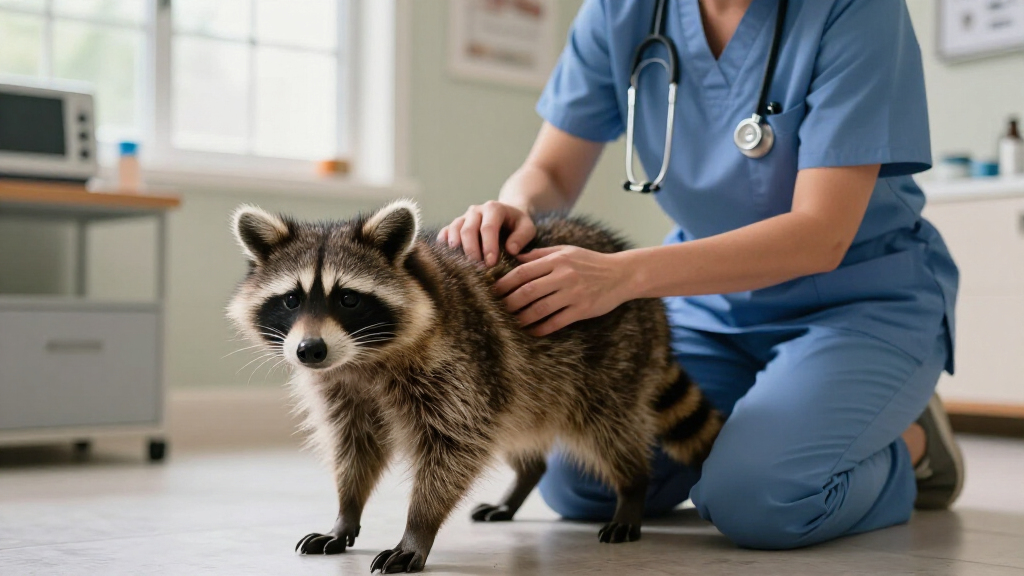
Jimothy, a raccoon well-known in his local community, was brought in for veterinary assessment after exhibiting signs of mobility issues, including difficulty walking and weakness in his hind legs. Veterinarians conducted imaging tests, which revealed a rare spinal disorder characterized by abnormal spinal cord development. The condition is considered uncommon in raccoons, with only a few documented cases in wildlife literature.
According to Dr. Lisa Chen, a wildlife veterinarian at the local wildlife rescue center, the diagnosis was confirmed through MRI scans, which showed spinal deformities not typical in raccoons. The condition appears to be congenital, meaning Jimothy was born with it, but experts are still evaluating its progression and potential treatment options. Jimothy is currently under veterinary care, with monitoring ongoing to assess his mobility and pain levels.
Implications of Jimothy’s Rare Spinal Diagnosis
This diagnosis underscores the importance of wildlife health monitoring and early intervention. While Jimothy’s condition is rare, it raises awareness of congenital disorders in urban wildlife populations. The case may influence future veterinary approaches and research into similar conditions, potentially improving care for affected animals. For the local community, Jimothy’s health status highlights the need for continued vigilance and support for wildlife conservation efforts.
Products Worth Considering

Dyson Ball Animal 3 Upright Corded Vacuum

Whisker Litter-Robot 4 Self-Cleaning Litter Box Supply Bundle, Black

Shark Cordless Pet Stick Vacuum, IY143H
As an affiliate, we earn on qualifying purchases.
Background on Wildlife Spinal Conditions and Jimothy’s Case
Spinal deformities in wildlife are infrequent but documented in scientific literature, often linked to genetic factors or environmental influences. Jimothy’s case is notable because of the rarity of such a diagnosis in raccoons, with most spinal issues in wildlife being related to trauma or infections. Jimothy gained local attention due to his frequent appearances near human habitats, which allowed veterinarians to observe his health issues early.
Prior to this diagnosis, Jimothy was noted for his resilience, despite occasional mobility problems. His case has been monitored by local wildlife rescue teams, who reported his symptoms to veterinary authorities. The diagnosis was made after a detailed examination prompted by his persistent mobility challenges.
“Jimothy’s condition is extremely rare in raccoons. The MRI results confirmed a congenital spinal deformity that we are now closely monitoring.”
— Dr. Lisa Chen
Uncertainties About Jimothy’s Treatment and Prognosis
It is not yet clear what specific treatment options will be pursued for Jimothy or how the condition will progress over time. Veterinarians are still evaluating whether surgical intervention is feasible or if supportive care will be sufficient. The long-term outlook remains uncertain, and further assessments are needed to determine his quality of life.
Next Steps in Jimothy’s Care and Monitoring
Veterinary teams will continue to monitor Jimothy’s mobility and pain levels, exploring potential treatment options. Researchers may also study his case to better understand similar congenital conditions in urban wildlife. Jimothy’s health status will be updated as new information becomes available, and efforts will focus on ensuring his comfort and well-being.
Key Questions
What is Jimothy’s specific spinal condition?
Jimothy has a congenital spinal deformity confirmed through MRI scans, characterized by abnormal spinal cord development. The exact medical term has not been disclosed publicly.
Can Jimothy recover or regain full mobility?
It is currently unclear. Veterinarians are assessing whether surgical or supportive treatments can improve his mobility, but the prognosis remains uncertain at this stage.
How common are spinal conditions in wildlife?
Such conditions are rare, especially in raccoons. Most spinal issues in wildlife are related to trauma or infections, making Jimothy’s case particularly unusual.
Will Jimothy be released back into the wild?
It is too early to determine. His ongoing health assessment will influence whether he can be returned to his natural habitat or requires ongoing care.
Source: hn