If your dog needs less impact, focus on gentle activities like slow walks on grass or dirt, swimming, or controlled play that promotes movement without strain. Adjust the activity based on their age, breed, and health, watching for signs of discomfort or limping. Complement these routines with proper nutrition and occasional vet advice to support joint health. Continue exploring options to keep your dog comfortable, active, and thriving as they age.

Get pet supplies delivered free with Prime
- Fast, free delivery on millions of items
- Prime Video, Amazon Music and more included
- Member-only deals all year
Key Takeaways
- Opt for low-impact activities like gentle walks on soft surfaces to minimize joint stress.
- Incorporate controlled play and slow, repeated movements to strengthen muscles safely.
- Adjust exercise intensity based on your dog’s age, breed, and health status.
- Support joint health with proper nutrition, including glucosamine, chondroitin, and omega-3 supplements.
- Regularly monitor for signs of discomfort and consult a veterinarian to tailor exercise routines.
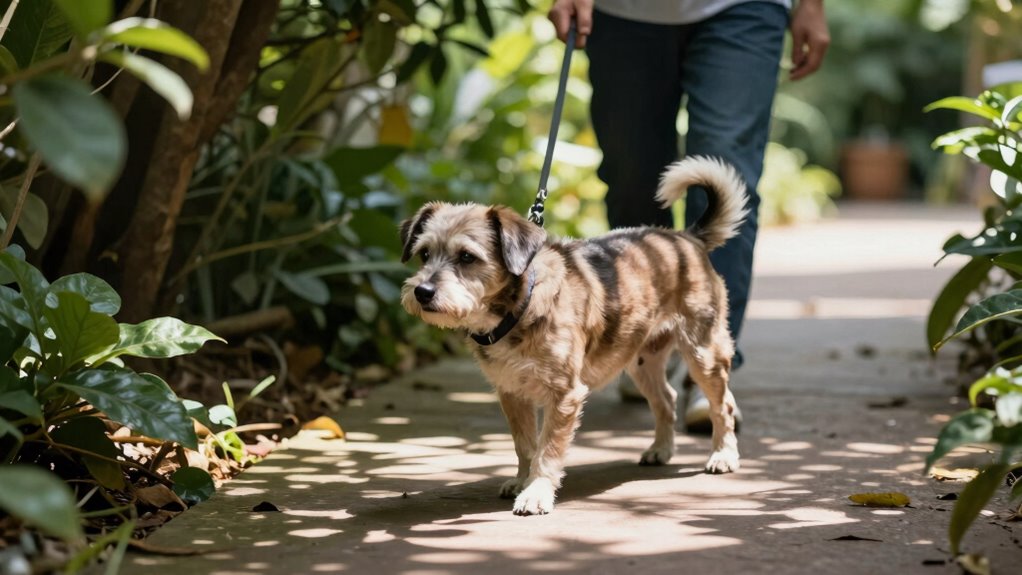
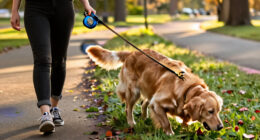
Maintaining your dog’s joint health is essential, especially as they age or if they have a predisposition to joint issues. When choosing exercises for your dog, it’s important to pick activities that promote movement without putting excessive strain on their joints. Low-impact exercises are perfect because they help keep your dog active and healthy without risking further joint damage. Activities like swimming, gentle walks, or controlled play are excellent options. Swimming, in particular, provides a full-body workout with minimal stress on joints, making it ideal for dogs with arthritis or joint discomfort. Gentle walks on soft surfaces like grass or dirt paths are also beneficial because they reduce the impact on your dog’s joints compared to concrete or asphalt.
You should think about your dog’s age, breed, and overall health when designing their exercise routine. For example, small breeds or older dogs often require less intense activity to prevent joint pain. Incorporating short, frequent walks helps maintain their mobility without overexerting them. Additionally, engaging in slow-paced, repeated movements helps strengthen muscles around the joints, offering more support and stability. Keep an eye on your dog’s canine behavior; if they seem hesitant or uncomfortable during activity, it’s a sign you should dial back the intensity or choose gentler options. This attentive approach helps prevent injuries and encourages a positive association with exercise.
When focusing on joint-friendly activities, it’s also wise to take into account your dog’s overall nutrition. Proper dog nutrition supports joint health by providing essential nutrients like glucosamine, chondroitin, and omega-3 fatty acids. These supplements can help reduce inflammation and promote cartilage repair, making your dog more resilient to joint issues. Combining good nutrition with low-impact exercise creates a holistic approach that benefits their mobility and comfort. Additionally, understanding the importance of biodiversity in your dog’s environment can contribute to their overall well-being by reducing exposure to harmful substances and promoting a healthy lifestyle. Providing a variety of safe, natural environments can also help prevent overexposure to pollutants that may negatively affect their joints and overall health. Creating a healthy outdoor environment that minimizes toxins and hazards can further support their physical and mental well-being.
You should always pay attention to how your dog responds during and after exercise. If they show signs of pain, limping, or reluctance to move, it’s a clear indicator to adjust their activity level. Consulting your veterinarian can help you develop a tailored exercise plan that aligns with your dog’s specific needs. Remember, consistent, gentle activity is key—regular, gentle activity keeps joints healthy, muscles strong, and your dog happy and comfortable. By choosing exercises that are safe and appropriate for their condition, you help ensure they enjoy a full, active life well into their senior years.
dog glucosamine supplements for joint health
As an affiliate, we earn on qualifying purchases.
As an affiliate, we earn on qualifying purchases.
Frequently Asked Questions
What Are Signs My Dog Needs Less Impact Exercise?
You’ll notice your dog shows signs like limping, reluctance to participate in activities like dog agility, or tiredness during walks. These indicate they need less impact exercise. Keep an eye on hydration tips, ensuring they stay well-hydrated, especially after gentle activities. If your dog seems less active or shows discomfort, reduce intensity and duration, and consult your vet for tailored advice on joint-friendly exercises to protect their joints.
Can Joint-Friendly Exercises Prevent Future Joint Issues?
Yes, joint-friendly exercises can help prevent future joint issues by promoting healthy joint function and maintaining muscle support around the joints. When you incorporate low-impact activities like swimming or gentle walks, you’re enhancing your dog’s joint health and reducing wear and tear. These exercise benefits contribute to overall mobility, comfort, and longevity, especially for aging or prone-to-arthritis dogs, making them an essential part of preventive canine care.
How Often Should My Dog Do Low-Impact Exercises?
You should aim for low-impact exercises like dog agility and puppy play about 3 to 5 times a week, depending on your dog’s age and health. These activities strengthen muscles without stressing joints. Keep sessions short, around 10-15 minutes, and watch for signs of fatigue or discomfort. Regular, gentle exercise helps maintain joint health and prevents future issues, ensuring your dog stays happy and active.
Are There Specific Breeds That Benefit Most From Joint-Friendly Workouts?
Think of some breeds as delicate porcelain dolls—these dogs, like Bulldogs, Dachshunds, and French Bulldogs, benefit most from joint-friendly workouts. Breed considerations play a role, as their anatomy requires exercise adaptations to prevent strain. By tailoring activities like swimming or gentle leash walks, you help protect their joints while keeping them active. Always consult your vet to craft the best exercise plan suited to your dog’s breed and needs.
What Equipment Is Best for Low-Impact Dog Exercises?
You should opt for low-impact equipment like balance discs, gentle treadmills, and soft mats for your dog’s exercise sessions. These tools serve as equipment alternatives that support exercise modifications, helping your dog stay active without stressing their joints. Use toys that encourage gentle movement, such as soft fetch balls, and avoid high-impact activities like jumping. Always monitor your dog closely and adjust the intensity to match their comfort level.
Conclusion
By choosing gentle, low-impact activities for your dog, you’re helping them stay active and happy without putting undue strain on their joints. Think of it as guiding them along a soft, grassy path where every step is calm and comforting. With a little careful planning, you can keep their tail wagging and spirits high, all while ensuring their well-being. After all, a happy, comfortable pup makes life all the more joyful for you both.
Fall Picks
fall essentials
As an affiliate, we earn on qualifying purchases.