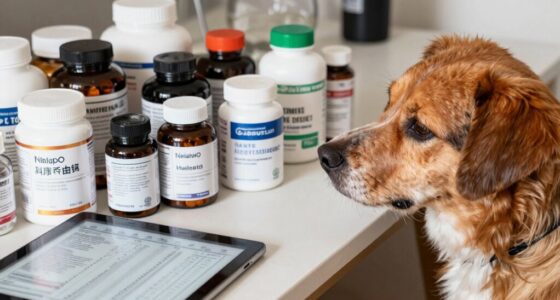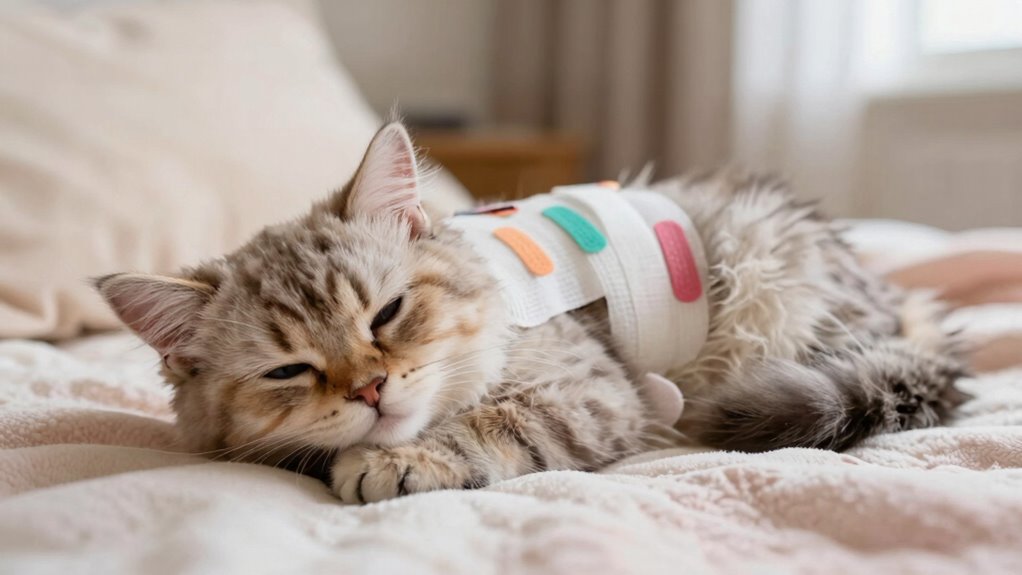

After your pet’s spay or neuter, focus on offering small, bland meals and fresh water to aid recovery. Keep them quiet and confined to prevent strain on the incision, and use an Elizabethan collar to stop licking or biting. Watch for signs of swelling, redness, or unusual behavior, and contact your vet if anything seems off. Proper care speeds healing and helps avoid complications—more tips are just a step away.

Get pet supplies delivered free with Prime
- Fast, free delivery on millions of items
- Prime Video, Amazon Music and more included
- Member-only deals all year
Key Takeaways
- Feed small, bland meals and ensure fresh water to support gentle digestion and hydration during recovery.
- Limit activity and keep the pet confined to prevent strain on the surgical site.
- Use an Elizabethan collar and monitor behaviors to prevent licking or biting at the incision.
- Watch for signs of infection like swelling, redness, discharge, or behavioral changes.
- Contact the veterinarian promptly if your pet shows signs of pain, discomfort, or complications.

After your pet’s spay or neuter surgery, proper care is essential to guarantee a smooth recovery. One of the most important aspects is monitoring their post operative nutrition. In the first few days, your pet might not have much of an appetite, which is normal. However, you should still encourage them to eat small, easily digestible meals to prevent dehydration and support healing. Avoid giving rich or fatty foods that could upset their stomach. Instead, opt for bland options like boiled chicken or special veterinary diets recommended by your vet. Fresh water should always be available to keep them hydrated. As they recover, gradually reintroduce their regular diet, but keep an eye on any signs of nausea or vomiting. Proper nutrition plays a key role in tissue repair and overall recovery, so don’t underestimate its importance.
Alongside managing their diet, you’ll notice that behavioral adjustments are common after surgery. Your pet might be more tired or less active than usual, and they may react differently to their environment. They could become more clingy or, conversely, seek solitude. It’s vital to give your pet plenty of gentle reassurance and avoid forcing them into activities that might strain their incision site. Keep them confined to a quiet, comfortable space to limit movement and prevent accidental injury. You may also see them licking or biting at the surgical area, which can cause infection or delay healing. Using an Elizabethan collar, or cone, helps prevent this behavior and keeps your pet safe.
Expect some behavioral changes, such as increased sleepiness or irritability, which should gradually subside as they heal. If your pet suddenly becomes overly aggressive, excessively lethargic, or shows signs of pain like whining or biting at their incision, contact your veterinarian immediately. These behaviors often indicate complications that require prompt attention. Additionally, watch for any signs of swelling, redness, or discharge at the surgical site, which might suggest infection. Understanding post operative care, including proper monitoring and infection prevention strategies, can greatly improve your pet’s recovery experience. It’s also helpful to be aware of signs of complications to ensure prompt intervention if needed. Being vigilant about infection signs can make a significant difference in preventing serious issues.
As an affiliate, we earn on qualifying purchases.
Frequently Asked Questions
When Can My Pet Resume Vigorous Exercise Post-Surgery?
You should wait at least 10 to 14 days before resuming vigorous exercise after surgery. During this time, focus on diet adjustments and pain management to support healing. Keep your pet calm and prevent activities that strain the incision site. Gradually reintroduce play and exercise, monitoring for signs of discomfort. Always follow your veterinarian’s advice to make sure a safe, smooth recovery and avoid complications.
Are There Specific Signs of Infection to Watch For?
You should watch for signs to monitor, like swelling, redness, pus, or a foul odor around the incision site, which may indicate infection. Keep the area clean, and prevent infection by limiting your pet’s activity and following your vet’s wound care instructions. If you notice any of these signs or your pet seems unusually lethargic or in pain, contact your vet immediately to guarantee proper infection prevention and care.
How Can I Prevent My Pet From Licking the Incision?
To prevent your pet from licking the incision, focus on proper incision care and use a recovery cone or e-collar to block access. Keep the area clean and monitor for signs of discomfort or infection, which might encourage licking. You can also apply a bitter-tasting deterrent or cover the incision with a protective bandage, but always follow your veterinarian’s advice on licking prevention and incision care to guarantee proper healing.
What Is the Typical Duration of Recovery Time?
Recovery typically takes about 10 to 14 days, during which you should monitor your pet closely. You’ll need to make diet adjustments, offering easily digestible foods, and guarantee proper post-surgery pain management to keep your pet comfortable. Limit activity to prevent stress on the incision. Follow your vet’s instructions, keep the incision clean, and watch for any signs of complications to support a smooth recovery.
Can I Bathe My Pet After Spay or Neuter Surgery?
You should avoid bathing your pet immediately after spay or neuter surgery, as water can irritate the incision site and lead to infection. Keep their diet restricted if advised by your vet, and make certain they take all prescribed post-surgery medications to promote healing. Wait until your veterinarian approves, usually after the stitches are removed and the incision is healed, before giving your pet a bath.
Conclusion
Remember, your pet’s recovery is a journey that shapes their future happiness. Follow the care tips diligently, and you’ll help them heal faster than you ever thought possible. Your attentiveness can turn this challenging time into a bonding adventure, ensuring they feel loved and safe. Think of your care as the secret ingredient to a lifetime of health and joy—because a well-cared-for pet is truly a treasure beyond measure.
Halloween Picks
halloween
As an affiliate, we earn on qualifying purchases.