
TL;DR
The RECOVER Initiative has published 2026 first-aid guidelines for dogs and cats, with 50 recommendations across three papers. They distinguish uncomplicated allergic reactions from anaphylaxis and stress that first aid supports, but does not replace, veterinary treatment.
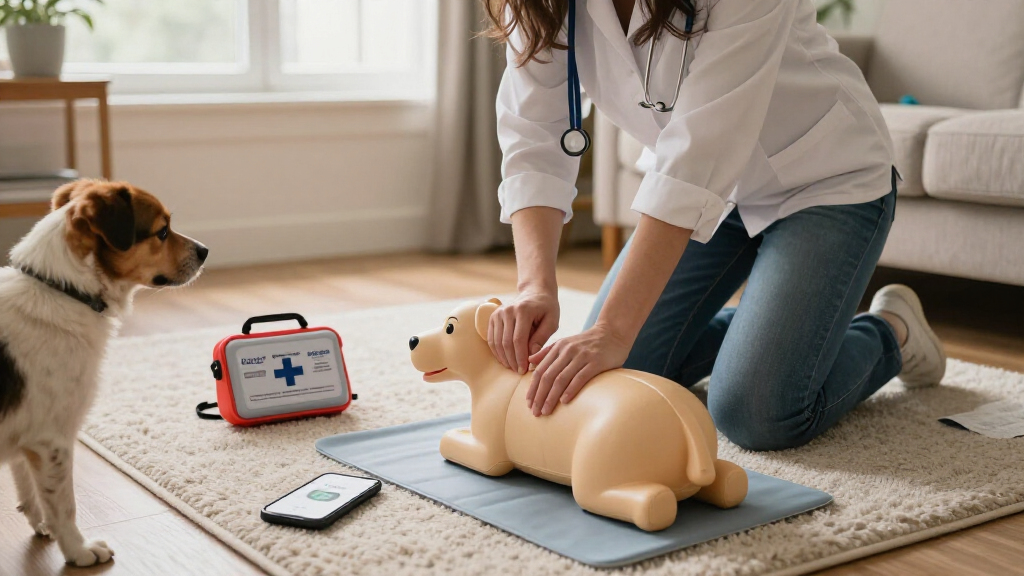
The RECOVER Initiative has published its 2026 First Aid guidelines for dogs and cats, setting out 50 recommendations for care before a veterinary team takes over. The three-paper series covers general first aid and acute allergic reactions, including anaphylaxis, and is intended to help veterinary professionals advise owners and other bystanders on basic first aid for pets.

Get pet supplies delivered free with Prime
- Fast, free delivery on millions of items
- Prime Video, Amazon Music and more included
- Member-only deals all year
The guidelines contain 38 recommendations on general first aid and 12 on acute allergy and anaphylaxis. They address situations in which an owner or other bystander may need to act before reaching a clinic, including what to do during the first 60 minutes of a seizure. The recommendations are written for veterinary professionals, who can use them to educate and guide the people providing first aid, including by helping owners prepare a pet first aid kit.
A key distinction is between an uncomplicated allergic reaction—such as sudden hives, facial swelling or itching—and anaphylaxis, a severe systemic reaction that can affect breathing, circulation, digestion or the skin. The source report says collapse, low blood pressure or severe respiratory distress after a sudden suspected allergic reaction indicates severe anaphylaxis, even if only one body system is visibly affected.
For uncomplicated reactions, the guidelines recommend an oral H1 antihistamine before arrival at a clinic, while advising against routine glucocorticoid use. For anaphylaxis, they identify epinephrine as the treatment of choice. The report says oral antihistamines should not be given when breathing is affected, because administering a tablet may delay transport and epinephrine. It describes prehospital intramuscular epinephrine as a suggestion when it can be given without delaying transport. These are guideline recommendations, not individualized instructions for treating a pet.
Guidance for the Minutes Before Care
Pet owners and other bystanders may have to respond to a collapse, breathing difficulty, severe bleeding or another emergency before professional care is available. The new guidance gives veterinary teams a shared, evidence- and consensus-based reference for explaining what first aid can do and where its limits lie.
The allergy recommendations also address a potentially consequential difference in response: a mild reaction and anaphylaxis do not call for the same approach. The report emphasizes that first aid is not definitive treatment. In a suspected emergency, owners should seek veterinary care; attempts to administer medication must not delay transport or professional treatment.
Products Worth Considering

PETLIBRO Automatic Pet Feeder with Camera, Dual Bowls, 5L, Black

PETLIBRO Automatic Cat Feeder with 1080p Camera and Night Vision

Shark Cordless Pet Stick Vacuum, IY143H
As an affiliate, we earn on qualifying purchases.
From CPR Guidance to First Aid
RECOVER—the Reassessment Campaign on Veterinary Resuscitation—is the initiative behind the 2012 and 2024 evidence-based CPR guidelines for dogs and cats. The 2026 first-aid series extends its work beyond CPR to prehospital situations where owners, handlers or other bystanders may be the first to act.
According to the Veterinary Practice News report by Kenichiro Yagi, veterinary teams have lacked a comprehensive guideline set developed through a transparent evaluation process. The full series also covers thermal and chemical burns, prehospital oxygen, out-of-hospital CPR, naloxone for suspected opioid exposure and tourniquet use for severe limb bleeding. The papers are available through the journal listing identified in the source report.
Limits of the Available Evidence
The source report summarizes selected recommendations rather than reproducing the complete three-paper guideline series. It does not provide every recommendation, the full evidence-grading detail or the practical instructions veterinary professionals should give each individual owner. The full papers are needed for those specifics.
The report also does not establish how widely clinics will adopt the recommendations or whether owners will receive training in advance. Evidence described in the article varies by intervention and includes veterinary studies, human studies and experimental research; those findings should not be read as proof that every approach has the same effect in every pet. Medication choices and emergency actions require veterinary direction.
Clinics Can Apply the Full Series
The next step is for veterinary professionals to consult the complete RECOVER guideline papers and use them to inform client education and emergency planning. The source report does not announce a rollout schedule, implementation program or further publication date.
For owners, the immediate practical point in the report is to treat first aid as a bridge to professional care. If a pet has signs of a severe reaction—particularly collapse or serious breathing difficulty—seek emergency veterinary help without delaying transport to administer an oral medication. Owners with a pet that has previously had anaphylaxis should discuss a veterinarian-directed emergency plan with their veterinary team.
Key Questions
What are the 2026 RECOVER First Aid guidelines?
They are a three-paper series containing 50 recommendations for first aid involving dogs and cats: 38 on general first aid and 12 on acute allergy and anaphylaxis.
Are the guidelines written as instructions for pet owners?
No. The source report says they are written for veterinary professionals, who are expected to use them to educate and advise owners, handlers and other bystanders.
How do the guidelines distinguish an allergic reaction from anaphylaxis?
The report describes an uncomplicated reaction as signs such as hives, facial swelling or itching. Collapse, low blood pressure or severe respiratory distress after a sudden suspected reaction indicates severe anaphylaxis, even if only one body system is visibly affected.
What treatment do the guidelines identify for anaphylaxis?
The report identifies epinephrine as the treatment of choice and says oral antihistamines should not be used when breathing is affected. Owners should not treat this summary as personal medical advice or delay transport to give medication; seek veterinary guidance and emergency care.
Do first-aid measures replace a veterinary visit?
No. The guidelines frame prehospital first aid as support before arrival. It does not replace definitive veterinary care, so an animal with emergency signs needs prompt professional assessment.
Source: rss