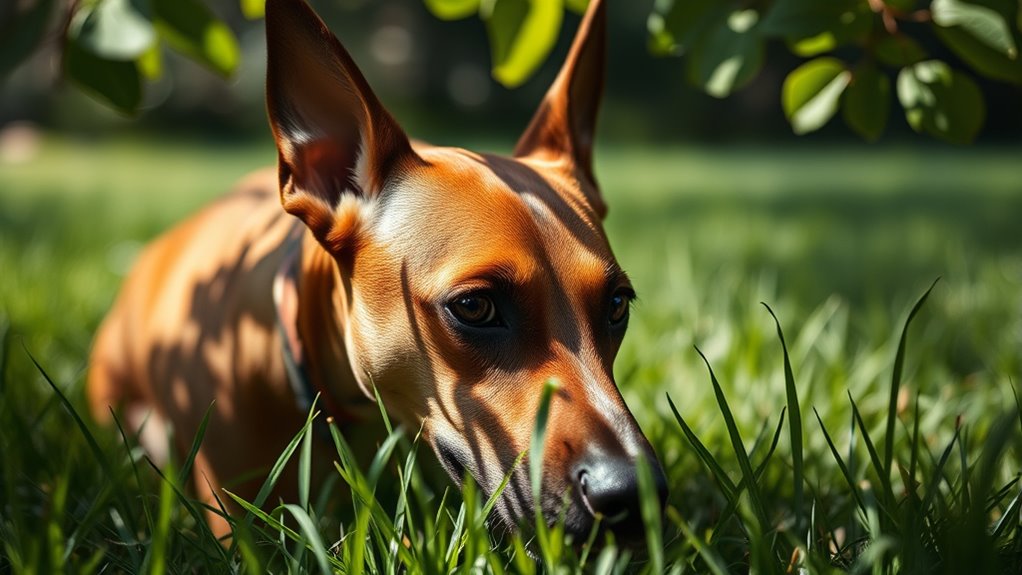

Nose work harnesses your dog’s natural scenting instincts, turning their innate abilities into a fun and engaging activity. By introducing simple scents and encouraging your dog to find them, you build their confidence, focus, and detection skills. Start with easy hiding spots and gradually increase difficulty to challenge your pup. Consistent practice fosters improvement and strengthens your bond. Keep exploring these techniques, and you’ll uncover more ways to help your dog excel in scent detection.
Key Takeaways
- Use positive reinforcement like treats, praise, or toys to motivate your dog during scent detection training.
- Start with easy hiding spots and gradually increase difficulty to develop your dog’s scenting skills.
- Keep training sessions short, fun, and consistent to maintain enthusiasm and improve focus.
- Introduce varied environments and distractions to enhance your dog’s ability to detect scents in different settings.
- Strengthen your bond and mental sharpness by regularly engaging in nose work activities tailored to your dog’s skill level.
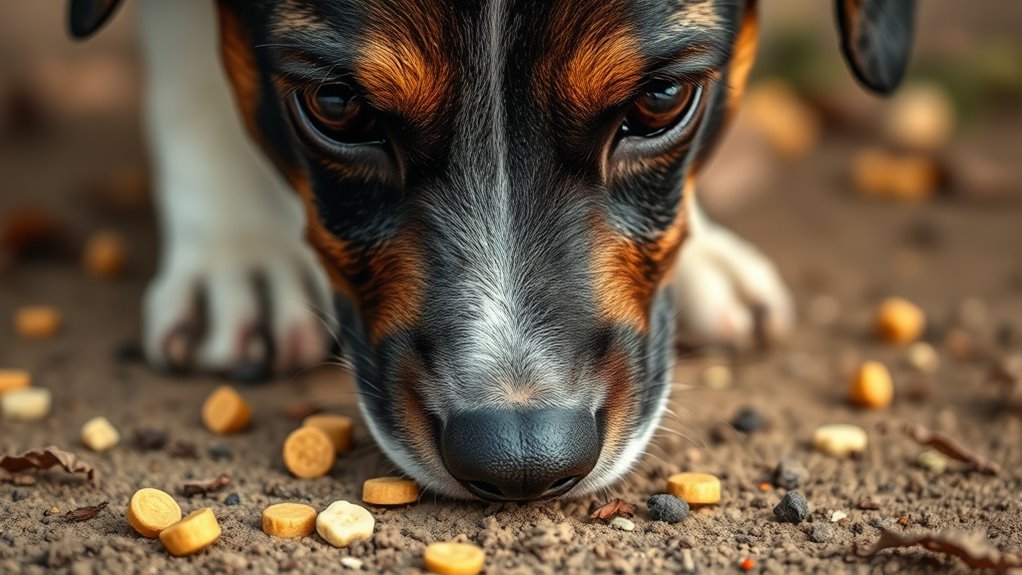
Nose work for dogs is a fun and engaging activity that taps into your dog’s natural scenting abilities. It’s an opportunity for your furry friend to use their nose in a way that feels exciting and rewarding. When you start exploring nose work, the key is understanding how to develop your dog’s scent detection skills through effective training techniques. These techniques help your dog learn to focus on scent cues and follow them with confidence, turning their instinct into a skill that can be both entertaining and practical.
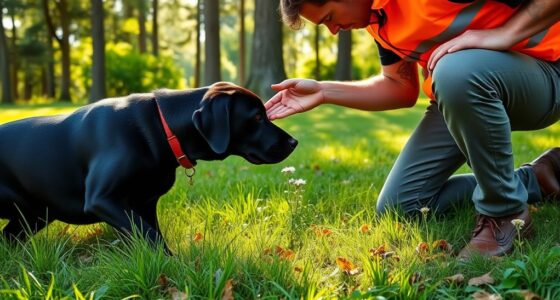
To begin, you want to create a positive environment that encourages your dog to engage with scent detection. Use treats, praise, or their favorite toy to motivate them. Introduce your dog to the scent you want them to find, whether that’s a specific essential oil, a piece of cloth with a particular smell, or a hidden treat. Start simple by hiding the scent in an easy-to-find location and gradually increase the difficulty as your dog gets better at tracking it. This step-by-step approach helps build your dog’s confidence and sharpens their nose work skills.
Create a positive, rewarding environment to kickstart your dog’s scent detection journey.
Training techniques for scent detection should focus on clarity and consistency. When your dog finds the scent, immediately reward them with praise or a reward to reinforce the behavior. Keep commands simple and consistent, such as “find it” or “search,” so your dog learns to associate those cues with the task. Patience is essential; some dogs pick up scent detection quickly, while others may need more time to understand what’s expected. Always keep training sessions short and fun to prevent frustration and maintain your dog’s enthusiasm.
As you progress, you can increase the complexity by hiding scents in more challenging locations or adding distractions to simulate real-world scenarios. This helps your dog learn to focus and stay motivated even when the environment isn’t perfect. Remember, scent detection is a skill that improves over time with regular practice and positive reinforcement. When your dog successfully finds the scent, celebrate their achievement to boost their confidence and keep them motivated for future searches.
Consistency in training techniques is crucial for long-term success. Schedule regular nose work sessions, gradually increasing difficulty, and always reward your dog for their efforts. This builds a strong association between scent detection and positive outcomes, making your dog enthusiastic to participate. Over time, you’ll notice how naturally your dog’s nose becomes more sensitive and precise, turning scent detection into a game that strengthens your bond and provides mental stimulation. With patience and persistence, you’ll release your dog’s full potential and enjoy the many benefits nose work offers for their physical and mental well-being.

Dog Scent Work Tins Training Kit Nose Work Containers Magnetic Dots Scent Work for Dogs Training Smell Aluminum Cans (6 tins+4 Scent Work kit)
Package Including: Includes 6 pcs of dog scent training kit tins, comes with 6 pcs of magnetic dots,…
As an affiliate, we earn on qualifying purchases.
As an affiliate, we earn on qualifying purchases.
Frequently Asked Questions
Can Any Dog Participate in Nose Work Activities?
Yes, any dog can participate in nose work activities. Breed suitability varies, but most dogs enjoy scent detection techniques because they tap into their natural instincts. Whether you have a high-energy retriever or a calm terrier, you can tailor nose work exercises to fit their abilities. This activity boosts confidence, stimulates their mind, and strengthens your bond, making it a rewarding experience for all dogs regardless of breed.
What Are the Best Treats for Nose Work Training?
For scent detection techniques, the best treats for nose work training are high-value, small, and easily consumable rewards like tiny pieces of cheese, hot dog, or trained commercial treats. These keep your dog motivated without disrupting training sessions. Using a variety of training reward options helps maintain your dog’s enthusiasm and focus, ensuring they stay engaged and excited to excel in scent detection activities.
How Long Does It Take to See Progress?
You’ll start noticing progress within a few sessions, but it varies based on your dog’s natural scenting abilities and your training patience. Typically, you might see noticeable improvements in a few weeks with consistent practice. Remember, patience is key—every dog learns at their own pace. Keep sessions short, positive, and regular, and you’ll gradually see your pup become more confident and skilled at nose work.
Are There Age Restrictions for Starting Nose Work?
Starting nose work with your dog is like planting a seed at the right moment—there’s usually no strict age restriction. Age suitability and training timing vary depending on your dog’s health and temperament, but most pups and even older dogs can enjoy learning. Just make certain your dog is comfortable and motivated, and you’ll find that nose work can be a rewarding activity at any stage of their life.
How Can I Keep My Dog Motivated During Training?
To keep your dog motivated during nose work, use motivational techniques like praise, treats, and play to reward their efforts. Incorporate enrichment activities that challenge their senses and keep training fun. Vary the scent items and training environments to prevent boredom, and always end sessions positively. Remember, patience and consistency are key—your dog will stay engaged when they see the activity as a rewarding and stimulating experience.

INNOYUMLIN Dog Scent Training Kit Nose Scent Work Tins, Dog Nose Scent Work Training Kit for Dogs Brain Games Pet Pup Beginner Scent Work Kit (6 Box+4 Nose Work Set)
【Scent Work Sets】: Includes 6 pcs of dog scent training kit, comes with 6 pcs of magnetic dots,…
As an affiliate, we earn on qualifying purchases.
As an affiliate, we earn on qualifying purchases.
Conclusion
By engaging in nose work, you tap into your dog’s incredible natural scenting abilities, strengthening your bond and providing mental stimulation. Did you know that dogs have up to 300 million scent receptors compared to humans’ 5 million? That means their sense of smell is around 40 times more sensitive than ours. Embracing nose work not only keeps your dog happy and engaged but also unleash their incredible olfactory talents, enriching your shared adventures together.

Pure Gold Essential Oils – Birch Essential Oil – 0.33 Fluid Ounces
Pure Birch Essential Oil: 0.33 Fluid Ounces
As an affiliate, we earn on qualifying purchases.
As an affiliate, we earn on qualifying purchases.
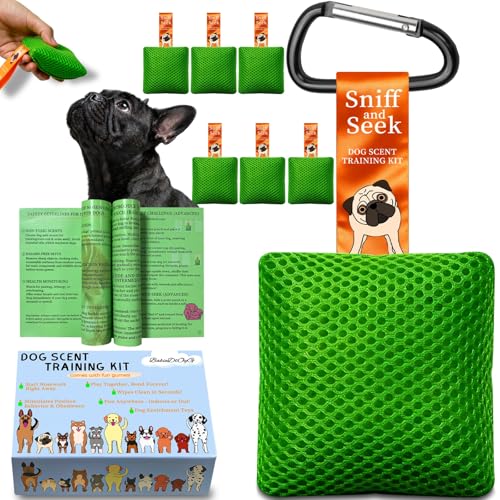
BabieDtOyG Dog Scent Training kit, Brain Games, Hide and Seek Toys – Fun Nose Work Games, Sniff and Seek Sniffing Toys, Nosework Kit, Scent Work Kit for All Ages Dog (Green)
🦴BUILD BOND FOR PET OWNER & DOGS-Engage your dog’s brain with our interactive dog scent training kit. Perfect…
As an affiliate, we earn on qualifying purchases.
As an affiliate, we earn on qualifying purchases.