To prepare your dog for obstacle and mud runs, gradually introduce terrains like mud, gravel, and uneven surfaces, while practicing commands like sit, stay, and come with positive reinforcement. Make certain your dog is healthy and fit, bring water, and monitor signs of fatigue or stress throughout training. Familiarize your dog with obstacles and muddy patches to build confidence. As you get ready, learn key safety tips to keep your furry friend safe and excited for the adventure ahead.
Key Takeaways
- Gradually expose your dog to mud, uneven terrain, and obstacles to build confidence and familiarity.
- Ensure your dog is in good health with a vet check and monitor fitness to prevent overexertion.
- Incorporate obedience training and positive reinforcement to keep your dog focused and calm during the race.
- Practice maneuvering obstacles and muddy patches to reduce anxiety and improve agility.
- Post-race, thoroughly clean your dog and check for injuries to promote proper recovery and safety.
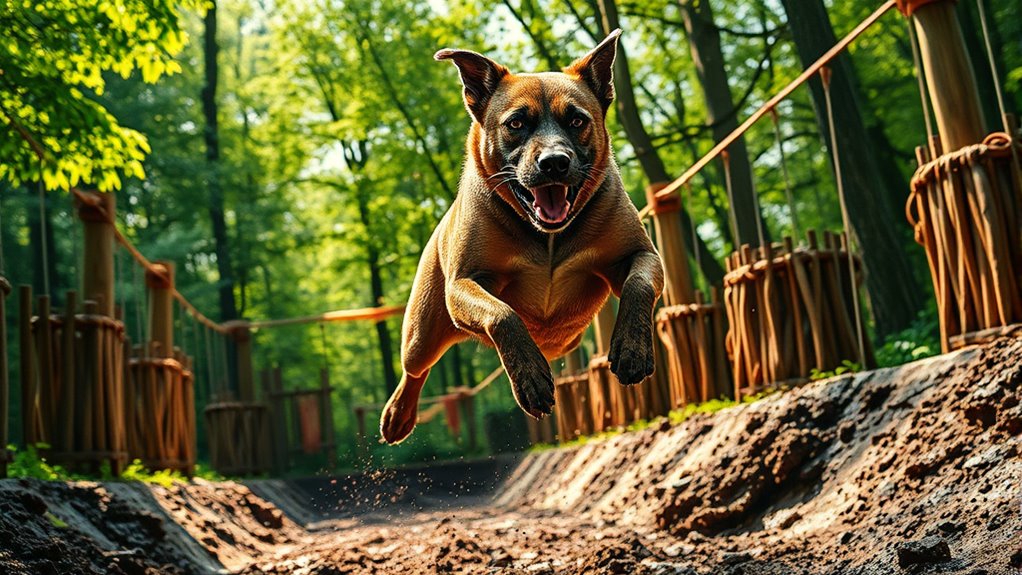
Have you ever wondered what it’s like to push your limits through challenging terrain and muddy obstacles? If you’re planning to include your dog in obstacle runs and mud runs, it’s essential to prepare them properly. Training tips are crucial for ensuring your pup is both confident and capable during these demanding events. Start by gradually exposing your dog to different surfaces like mud, gravel, and uneven ground. This helps build their confidence and prevents surprises during the race. Incorporate obedience exercises such as sit, stay, and come, so your dog remains responsive amidst distractions. Use positive reinforcement to reward calm behavior and focus, which encourages them to stay engaged during the race.
Prepare your dog with gradual exposure, obedience training, and positive reinforcement for confident participation in obstacle and mud runs.
Safety precautions should be a top priority when training your dog for adventure races. Make sure your dog is in good health before participating—consult your veterinarian for a thorough check-up. Keep an eye on their fitness level, and avoid overexerting them during training, especially in hot or humid weather. Always bring fresh water and take frequent breaks to prevent overheating or exhaustion. Equip your dog with a well-fitting harness or collar, and consider using a lightweight, durable vest for added protection and comfort. Watch for signs of fatigue or stress, like excessive panting or reluctance to continue, and be ready to pause or withdraw if needed.
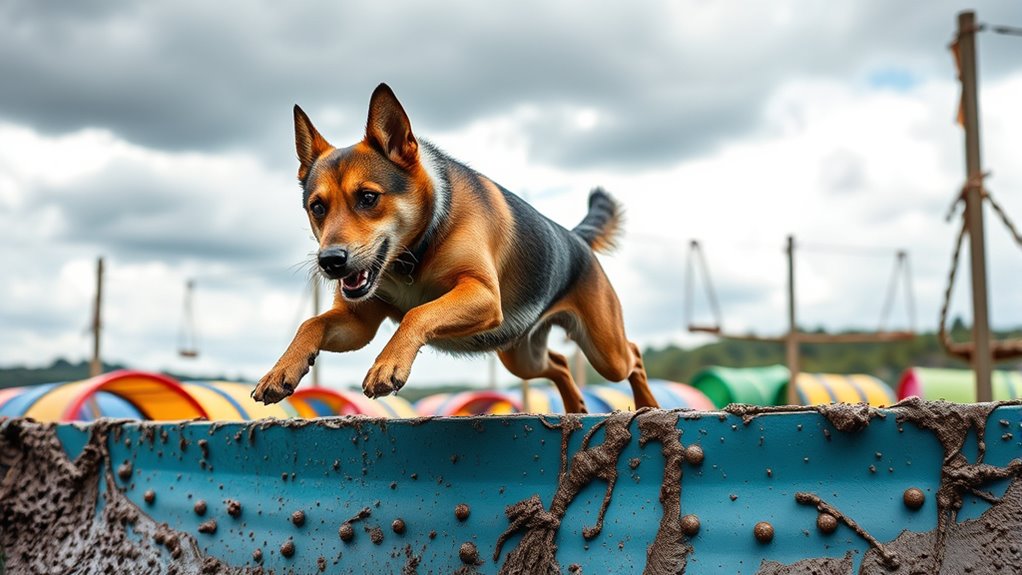
When training, focus on building your dog’s endurance gradually. Start with short sessions that involve running, jumping, and maneuvering obstacles like low walls or tunnels. Incorporate muddy patches into your practice runs so they get used to the texture and feel of mud on their paws and coat. This familiarization reduces anxiety and helps them stay calm during the actual event. Remember to keep training fun and engaging, so your dog remains enthusiastic about participating. Use treats and praise generously to reinforce positive experiences.
During the race, keep safety precautions in mind. Always monitor your dog closely for signs of distress, and be prepared to help them over difficult obstacles if needed. Avoid pushing them beyond their limits, especially when the terrain becomes more challenging or muddy. Post-race, give your dog a thorough rinse to remove mud and debris, and check their paws and coat for cuts or irritations. Proper recovery and care are essential for maintaining their health and ensuring they’re ready for future adventures. With careful preparation, your dog can enjoy the thrill of obstacle and mud runs safely and confidently, making the experience rewarding for both of you.

JMMPOO Dog Agility Training Equipment, 60-Piece Dog Obstacle Course Training Starter Kit Pet Outdoor Game with Tunnel, Agility Hurdle, Weave Poles, Jump Ring, Pause Box, Toy Balls and Storage Bag
UNIQUE & HEALTH: Running, jumping, playing, and most of exercising for maximum dog agility. Whether training for competition…
As an affiliate, we earn on qualifying purchases.
As an affiliate, we earn on qualifying purchases.
Frequently Asked Questions
What Safety Gear Should My Dog Wear During Obstacle Races?
You should equip your dog with paws protective gear to prevent injuries on rough terrain. Additionally, verify your dog has access to plenty of water for dog hydration during the race. Consider a lightweight, well-fitting harness for control and safety. These items help keep your dog safe and comfortable, allowing them to perform their best while reducing the risk of paw damage or dehydration during the obstacle race.
How Can I Tell if My Dog Is Physically Ready for Adventure Races?
You’ll want to perform a thorough dog fitness assessment to determine if your pup’s ready. Watch for training readiness indicators like strong endurance, solid obedience, and confident agility. If your dog maintains steady energy, responds reliably to commands, and recovers quickly after exercise, they’re likely prepared. But don’t rush—build up gradually, and consult your vet to guarantee your dog’s health and strength match the challenge ahead.
Are There Breed Restrictions for Participating in Obstacle and Mud Runs?
Breed suitability and size restrictions vary by race, so you should check the specific event’s rules. Many obstacle and mud runs welcome dogs of different breeds, but some may have restrictions based on size or agility. Larger or more energetic breeds often excel, but if your dog has health issues or is a smaller breed, confirm if they qualify. Always make certain your dog’s temperament and fitness align with the race requirements before signing up.
How Do I Prevent My Dog From Ingesting Harmful Mud or Debris?
Imagine your dog’s paws as a shield, guarding their health. To prevent muddy paws from turning into debris ingestion, keep a close eye during the race and wipe their paws often with a damp cloth. Carry a small brush for stubborn mud, and steer clear of particularly dirty areas. This way, your furry friend stays safe, avoiding harmful debris and enjoying the adventure without risking their health.
What Should I Do if My Dog Gets Injured During the Race?
If your dog gets injured during the race, act quickly with your first aid essentials. Calm your dog and assess the injury, checking for bleeding or pain. Apply pressure to stop bleeding and clean wounds with antiseptic if available. Keep your dog calm to prevent further injury and avoid unnecessary movement. Injury prevention starts with proper training and awareness, but having a well-stocked first aid kit guarantees you’re prepared for emergencies.
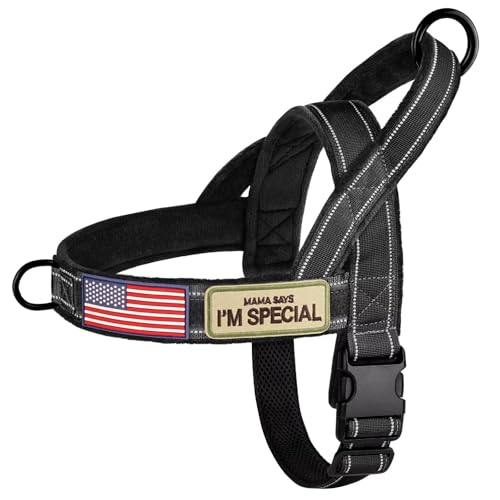
Forestpaw No Pull Dog Harness with Large Handle,Slip on Reflective Vest with Quick Release Buckle,Comfortable Flannel Lining for Medium Large Dogs Walking Training (Includes 3 Patches),Black M
Size Description: MEASURE BEFORE YOU ORDER!Unlike ordinary harnesses,our sizing is based on TWO key measurements:1) Chest Girth (around…
As an affiliate, we earn on qualifying purchases.
As an affiliate, we earn on qualifying purchases.
Conclusion
Just like a brave knight gearing up for a quest, preparing your dog for obstacle and mud runs means building confidence and resilience. With proper training, you’ll both conquer muddy trenches and towering walls, turning every challenge into a shared adventure. Remember, every obstacle is a stepping stone—think of it as forging your own legend like those daring explorers of old. Embrace the journey, and your dog will be ready to face any race with enthusiasm and courage.

Kurgo Mud Dog Travel Shower – Portable Pet Shower for Adventure Dog Cleaning – Easy Bottle Shower Cap – Dishwasher Safe Silicone Shower Sprayer – Camping Pet Bath Accessory
Convenient Outdoor Rinsing: The Mud Dog Travel Shower turns any bottle into a portable pet shower for quick…
As an affiliate, we earn on qualifying purchases.
As an affiliate, we earn on qualifying purchases.
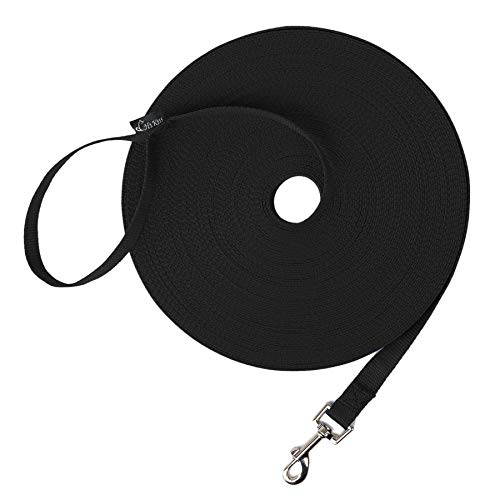
Hi Kiss Dog/Puppy Obedience Recall Training Agility Lead – 15ft 20ft 30ft 50ft 100ft Training Leash – Great for Play, Camping, or Backyard – Black 30ft
DIMENSIONS – This dog leash measures 3/4in wide by 30 feet long. Great for hiking, camping, training, hunting,…
As an affiliate, we earn on qualifying purchases.
As an affiliate, we earn on qualifying purchases.