TL;DR

Get pet supplies delivered free with Prime
- Fast, free delivery on millions of items
- Prime Video, Amazon Music and more included
- Member-only deals all year
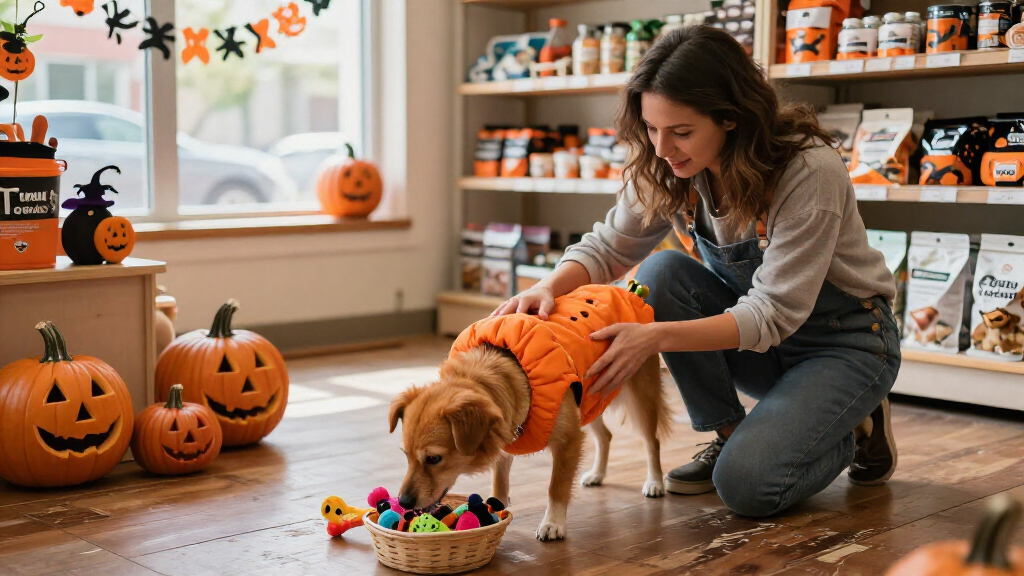
U.S. spending on pet Halloween costumes is projected to reach $920 million in 2026, up from $860 million in 2025, according to the National Retail Federation. Retailers and pet brands are responding with seasonal products, store events and promotions, while surveys point to strong interest in including pets in Halloween plans.
U.S. consumers are projected to spend $920 million on pet Halloween costumes in 2026, up from $860 million in 2025, as pet retailers and brands roll out seasonal merchandise and events. The National Retail Federation (NRF) estimate points to a growing commercial focus on pets as part of Halloween celebrations, although it is a spending projection, not a final tally of purchases.
The NRF figure comes from a survey of 7,889 consumers conducted from Sept. 1 to 9. Pet costume spending is projected to increase by 7% year over year, according to the report. The same projection puts spending on adult Halloween costumes at $2 billion and children’s costumes at $1.5 billion. The survey found that 61% of respondents plan to hand out candy, while 50% expect to dress in costume; decorating, carving pumpkins and watching scary movies were each cited by 42%.
Among pet costumes, pumpkins lead at 11.6%, followed by hot dogs at 5.9% and ghosts at 2.8%, according to the NRF figures. A separate Google Trends analysis by dog daycare and boarding franchise Camp Bow Wow found that hot dogs were the most-searched dog costume in the U.S. this year. Its top 10 also included chicken, shark, spider, princess, ghost, dinosaur, pumpkin, dragon and lion. Search interest was highest in Wyoming, followed by New Hampshire, Utah, California and Colorado.
Retailers are using events and new products to draw shoppers. PetSmart has scheduled its Tricks for Treats events for Oct. 17 and 25 and Meet the Spooky Pets for Oct. 18, featuring exotic animals including snakes and spiders. Rural King has planned a free Pet-O-Ween costume contest for pets and livestock on Oct. 24 at participating stores. Product launches include PetSmart Canada’s 2026 Thrills & Chills collection and seasonal ranges from Pets at Home and Aldi. Brands are also promoting themed goods, from Joyride Dogs’ glow-in-the-dark leashes and harnesses to limited-edition Halloween treats from Purina’s Beggin’ brand.
Why Pet Retailers Are Joining Halloween
The projected spending increase gives retailers and pet brands a measurable reason to compete for Halloween purchases beyond traditional costumes and candy. Seasonal pet apparel, toys, treats and store events offer additional ways to reach owners who want to include animals in celebrations. The $920 million estimate signals the scale of the category, though it does not establish how much any one retailer or brand will earn.
Interest appears to extend beyond costume shopping. Meijer’s survey of 1,003 people in Illinois, Indiana, Kentucky, Michigan, Ohio and Wisconsin found that 33% of Midwestern respondents planned to dress up their pets. That regional result supports the picture of consumer interest, but it should not be treated as a national rate: the survey covered six states and was conducted Aug. 24 to 26.
Halloween spending overall may still be uneven. PwC’s poll found that consumers who planned to celebrate expected to spend an average of $263 per person, down from $289 the previous year, even as the share planning to celebrate rose to 86% from 78%. For businesses, the combination suggests that more people may take part while average budgets remain under pressure. The surveys do not show how those broader spending plans translate into actual pet-product sales.
Products Worth Considering

Shark Rocket Pet Plus Corded Stick Vacuum, Bordeaux, HV322

Dyson V11 Origin Cordless Vacuum, 185AW, 3 Power Modes, Up to 60 Minutes Runtime, Deep Cleans Hard Floors and Carpets, Detangles Pet Hair, C

Shark AV2501AE Robot Vacuum with XL HEPA Self-Empty Base, Bagless, 60-Day Capacity, LiDAR Navigation, Pet Hair Friendly, Alexa Compatible, W
As an affiliate, we earn on qualifying purchases.
Surveys Show Changing Halloween Plans
The reported pet spending projection sits within a wider seasonal retail market. PwC surveyed 2,028 U.S. adults from Aug. 21 to 26 and found that 31% planned to begin holiday shopping before September. It reported that 86% planned to celebrate Halloween in October, compared with 78% in 2025; the figure was 93% among Gen Z respondents. PwC projected average spending of $263 per celebrating consumer, with millennials planning to spend an average of $368.
People remain a major influence on shopping decisions: 45% of adults cited friends and family as the main influence on Halloween purchases, according to PwC. Social media was cited by 43% of Gen Z and 30% of millennials as a source of inspiration for plans ranging from costumes to party themes. The report also points to AI use, with nearly half of AI users turning to it for costume ideas and at least a third using it to compare deals, find recipes or plan decorations and parties.
Some shoppers are making costumes rather than buying them. PwC found that 25% plan to make costumes for themselves or their pets, while 30% intend to buy ready-made options. Among Gen Z AI users, 19% said they were allowing AI to automate and schedule Halloween purchases. These findings describe stated plans and reported behavior in survey responses; they do not confirm how many purchases will be completed.
Projections Are Not Final Sales
The $920 million figure is a projection based on the NRF survey, not a confirmed measure of 2026 sales. The source material does not provide a final spending total, a breakdown by retailer or brand, or evidence showing how much of the expected increase will come from higher prices versus more purchases. It also does not specify the survey’s margin of error for the pet-costume estimate.
Other figures have distinct scopes and should not be treated as directly comparable. Meijer’s pet-dressing result applies to its six-state Midwestern survey, while Camp Bow Wow’s rankings reflect Google searches rather than completed costume sales. PwC’s consumer poll covers Halloween plans and spending intentions, not verified transactions. It remains unclear whether the planned events and product collections will result in higher sales, and the source material does not report customer turnout or sales outcomes.
Sales Data Will Test the Forecast
The next useful evidence will come from actual Halloween-season sales and retailer updates after the events and promotions have taken place. Those figures could show whether the NRF’s projected increase matches purchases, and whether consumers choose pet costumes, toys, treats or other seasonal products. The source material does not give dates for final sales reports or confirm that retailers will publish results.
For now, the listed events are scheduled for October, and the seasonal product ranges are being marketed for the 2026 Halloween period. Until sales data is available, consumer intentions and spending forecasts remain the clearest measures of expected demand, not proof of the season’s final commercial performance.
Key Questions
How much are U.S. consumers expected to spend on pet Halloween costumes in 2026?
The NRF projects $920 million in U.S. pet costume spending for 2026, up from $860 million in 2025. This is a forecast, not a final sales total.
Which pet costumes are most popular in the NRF survey?
Pumpkins ranked first at 11.6%, followed by hot dogs at 5.9% and ghosts at 2.8%, according to the reported NRF survey results.
Which dog costumes are most searched online?
Camp Bow Wow’s Google Trends analysis found hot dog costumes were the most-searched dog costume in the U.S. this year. Search rankings measure online interest, not costume sales.
What Halloween offers are retailers planning for pets?
PetSmart has scheduled in-store events, and Rural King has planned a Pet-O-Ween costume contest at participating stores. Retailers including PetSmart Canada, Pets at Home and Aldi have also introduced seasonal pet products.
Do the reported figures confirm that pet Halloween sales will rise?
No. The NRF estimate is a projection, and other surveys describe consumer plans or search interest. Final sales results and retailer-level performance are not included in the source material.
Source: globalpetindustry.com