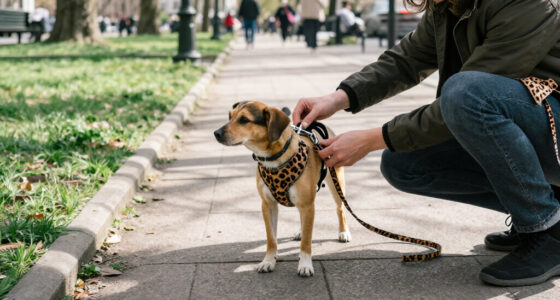
Beginning a pulka adventure with your dog makes snowy trails unforgettable, but safety is key. Before you go, assess your dog’s health, equip them with booties and warm gear, and pack a first aid kit. Choose sturdy pulka gear and plan your route carefully, avoiding icy or steep sections. Keep an eye on your dog’s signs of fatigue or cold stress and be ready to turn back if needed. For more tips on safe, fun adventures, continue exploring.

Get pet supplies delivered free with Prime
- Fast, free delivery on millions of items
- Prime Video, Amazon Music and more included
- Member-only deals all year
Key Takeaways
- Prepare your dog with proper gear, like booties and insulation, to protect paws and prevent cold-related issues.
- Check trail conditions and weather forecasts to ensure safety and avoid icy or hazardous terrain.
- Use a durable pulka with a snug harness and strong tow line for efficient pulling and control.
- Monitor your dog closely for signs of fatigue, cold stress, or discomfort throughout the adventure.
- Pack essential safety equipment and supplies, including water, first aid, and blankets, for a safe and enjoyable trip.
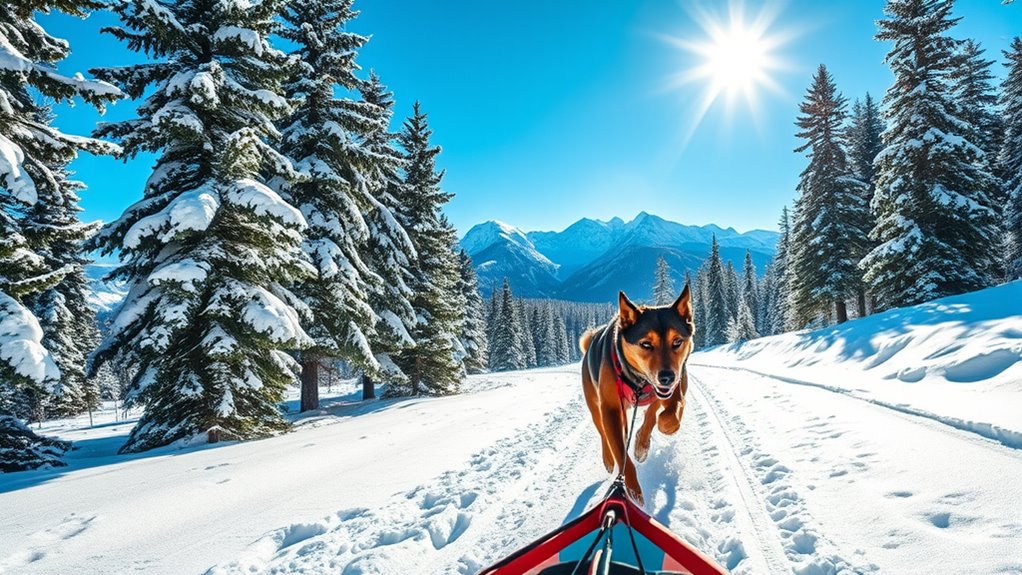
Have you ever wondered what it’s like to glide smoothly across snow-covered landscapes pulled by nothing but the strength of your own effort? If so, pulka adventures are perfect for you. They offer a thrilling way to explore winter wonderlands with your dog by your side. But before you hit the trail, it’s essential to prioritize dog safety and gear selection to guarantee a fun and safe experience for both of you.
When planning your trip, start with dog safety in mind. Not all dogs are built for cold weather or long distances, so it’s crucial to assess your dog’s health and stamina beforehand. Make sure your canine companion is comfortable in winter conditions and has proper insulation if necessary. Keep an eye out for signs of cold stress, such as shivering or lifting paws off the snow. Carry a first aid kit tailored for dogs, and always have fresh water available, as cold weather can be dehydrating. Remember, your dog’s paws are vulnerable to ice, salt, and rough terrain, so consider using dog booties to protect their pads and prevent injuries.
Gear selection is just as vital as dog safety. Invest in a good-quality pulka designed for winter hauling; it should be lightweight yet durable, with a sturdy frame and a comfortable harness for your dog. The harness is critical—it should fit snugly without causing discomfort, allowing your dog to pull efficiently while avoiding chafing. Attach a strong, reliable tow line that gives your dog enough room to move comfortably but keeps them close enough for control. Don’t forget to pack extra gear, such as warm blankets, a leash, and a collapsible bowl for water. Layer your own clothing and gear to stay warm and dry, since staying comfortable lets you focus on your dog and the trail ahead. Additionally, consider using portable camping gear to ensure you have all necessary supplies for a successful trip.
Before setting out, check the trail conditions and weather forecast. Quick changes in weather can turn a beautiful day into a dangerous situation. Always keep your dog within sight and under control, respecting their limits and avoiding icy or overly steep sections. During your adventure, monitor your dog closely, and be ready to cut the trip short if signs of fatigue or distress appear. With proper planning, gear, and attentiveness to your dog’s needs, you can enjoy a memorable pulka journey through snowy landscapes, creating unforgettable memories while keeping your furry friend safe and happy.
As an affiliate, we earn on qualifying purchases.
Frequently Asked Questions
What Breeds Are Best Suited for Pulka Adventures?
You should choose sled dog breeds like huskies or malamutes, as they’re strong, energetic, and built for pulling. Suitable huskies have thick coats and endurance, making them perfect for pulka adventures. These breeds thrive in cold climates and enjoy the activity, ensuring a fun and safe experience. Make sure your dog is healthy and well-trained, and always respect their limits while exploring snowy trails together.
How Do I Train My Dog for Pulka Trips?
Think of training your dog for pulka trips as building a sturdy bridge, step by step. Start with basic commands and dog leash training, gradually increasing distance and complexity. Keep training sessions positive and consistent. Make certain your dog’s nutritional needs are met with proper diet to maintain energy and focus. Patience and repetition help your dog become confident, reliable, and enthusiastic to join you on snowy adventures.
What Safety Gear Should My Dog Wear?
You should guarantee your dog wears sturdy dog booties to protect their paws from ice, snow, and rough terrain. Additionally, equip your pup with a reflective vest for visibility and safety during early morning or late evening trips. These safety gear pieces keep your dog comfortable and secure while exploring snowy trails, helping prevent injuries and ensuring they’re easily seen by others. Always check the gear fits well before heading out.
How Long Can a Typical Pulka Adventure Last?
A typical pulka adventure can last anywhere from two to six hours, depending on your trail difficulty and how well you’ve planned your duration. Think of it as a snow-covered journey through a winter wonderland—you wouldn’t want to get caught in a storm unprepared. By considering trail conditions and your dog’s stamina, you guarantee a fun, safe adventure that leaves everyone enthusiastic for the next expedition.
Are There Age Restrictions for Participating?
Yes, there are age restrictions for participating in pulka adventures. Kids should be at least 6 years old to join, guaranteeing they understand trail etiquette and can handle the physical activity. Keep your dog’s nutrition in mind; bring enough water and snacks, especially for young or older dogs. Always monitor your dog’s comfort and energy levels, and follow trail etiquette to ensure a safe, enjoyable experience for everyone.
Conclusion
Beginning on pulka adventures with your dog not only strengthens your bond but also offers a thrilling way to explore snowy trails. Did you know that over 60% of winter outdoor enthusiasts say that including their pets enhances their experience? So, gear up, stay mindful of your dog’s limits, and enjoy the crisp winter air together. These adventures create lasting memories and deepen your connection with nature—and your loyal companion.
Halloween Picks
halloween
As an affiliate, we earn on qualifying purchases.