
To curb boredom, you can use puzzles and games that challenge your animals’ natural instincts. These activities promote mental stimulation, encouraging problem-solving and exploration. Incorporate objects like puzzle feeders or hide treats behind obstacles to engage their curiosity. Regularly changing or adding new challenges keeps their interest high and prevents frustration. By designing varied, stimulating environments, you help animals express natural behaviors and stay healthy—all the secrets for successful enrichment await as you explore further.
Key Takeaways
- Incorporate puzzles and games that mimic natural problem-solving to stimulate animals mentally.
- Regularly introduce new or modified activities to maintain interest and prevent boredom.
- Design enrichment tools that encourage exploration, reasoning, and resourcefulness within the environment.
- Monitor animal responses to adjust difficulty levels, ensuring activities are challenging but not frustrating.
- Use a variety of puzzles to promote diverse cognitive skills like memory, planning, and problem-solving.
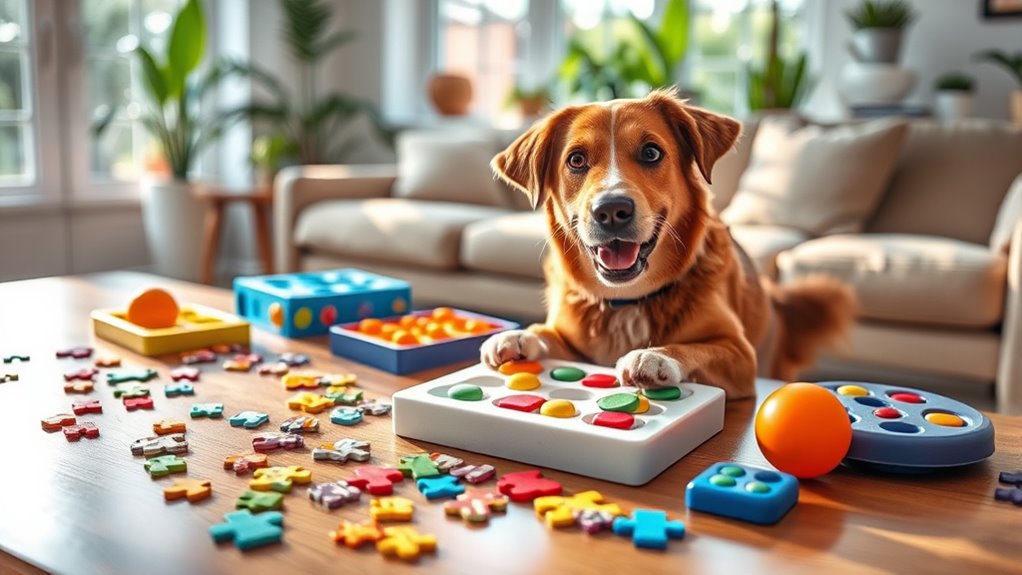
Have you ever wondered how to keep animals mentally and physically stimulated in captivity? One of the most effective ways is through behavioral enrichment, which involves providing activities that challenge their natural instincts and curiosity. Central to this approach is cognitive stimulation, a process that encourages animals to think, solve problems, and explore their environment. By introducing puzzles and games, you create opportunities for animals to engage their minds, preventing boredom and promoting overall well-being. These activities are not only fun for the animals but also serve as essential tools to replicate aspects of their natural habitat, fostering environmental complexity within their enclosures.
When designing enrichment activities, consider the importance of environmental complexity. A simple, monotonous environment can quickly lead to apathy and stress, but a complex setting offers a variety of stimuli that mimic the animal’s natural surroundings. Incorporating different textures, hiding spots, and objects encourages animals to investigate and manipulate their environment. Puzzles and games should be integrated seamlessly into this complex setting to maximize their impact. For instance, puzzle feeders that require animals to solve a problem to access food can be hidden behind various obstacles or within multi-layered structures, stimulating their problem-solving skills and curiosity. Self Watering Plant Pots can serve as an example of environmental enrichment, promoting interaction with functional objects.
You want to create an environment where animals are motivated to explore and interact. This can involve introducing new objects regularly or changing the layout of their space to sustain their interest. When animals engage with puzzles, they exercise cognitive skills such as memory, reasoning, and planning. This mental effort contributes to their overall health and can reduce stereotypic behaviors caused by boredom or frustration. By offering different types of enrichment activities tailored to each species’ natural behaviors, you help satisfy their innate drives, from foraging to social interaction.
It’s essential to observe how animals respond to these activities and adjust accordingly. If a puzzle is too difficult, animals might lose interest or become frustrated; if it’s too easy, it might not provide enough stimulation. Striking a balance ensures they remain engaged and challenged without becoming overwhelmed. Remember, the goal is to foster a rich, dynamic environment that encourages natural behaviors through cognitive stimulation and environmental complexity. When done thoughtfully, behavioral enrichment transforms captivity into a more stimulating and fulfilling experience for the animals, promoting their mental and physical health.
animal puzzle feeders
As an affiliate, we earn on qualifying purchases.
As an affiliate, we earn on qualifying purchases.
Frequently Asked Questions
How Often Should Puzzles Be Changed to Maintain Interest?
You should change puzzles regularly, ideally every one to two weeks, to keep your pet’s interest alive. Incorporate a puzzle rotation into your enrichment schedule, introducing new challenges and varying difficulty levels. This prevents boredom and encourages mental stimulation. Monitoring your pet’s engagement helps you decide if more frequent changes are needed. Consistent puzzle rotation keeps their mind active and prevents them from losing interest in their toys.
Are Certain Games Better Suited for Specific Age Groups?
Think of puzzles as keys opening different doors of curiosity. You should choose age-appropriate puzzles to match each stage of development, like fitting puzzle pieces that build skills and confidence. For younger kids, simple shapes boost motor skills, while older children enjoy challenging brain teasers that sharpen critical thinking. Picking the right game guarantees developmental benefits, keeping their minds engaged and growing like a garden in full bloom.
How Can I Tell if My Pet Is Bored or Stressed?
You can tell if your pet is bored or stressed by observing calming signals like yawning, lip licking, or turning away, which indicate discomfort or anxiety. Stress indicators include panting, pacing, or excessive grooming. Pay attention to their body language and behavior changes. If you notice these signs, provide calming activities or enrichment to help reduce stress and keep your pet engaged and happy.
What Safety Precautions Should I Take With Puzzle Toys?
Puzzle toys are amazing, but safety comes first! Always choose ones made from safe materials, free of harmful chemicals or small parts that could be swallowed. Supervised play is essential—keep an eye on your pet to prevent choking or damage. Regularly inspect toys for wear and tear, replacing them if needed. By taking these precautions, you guarantee playtime stays fun and safe without any worries.
Can Behavioral Enrichment Reduce Anxiety in Pets?
Yes, behavioral enrichment can reduce anxiety in pets by providing essential mental stimulation and stress reduction. When you introduce puzzles and games, you’re engaging their mind and redirecting focus away from stressful triggers. This mental engagement helps lower anxiety levels and promotes calmness. By consistently offering these enrichment activities, you create a more relaxed environment, helping your pet feel secure and less anxious over time.

SilveWillo Interactive Electric Automatic Rolling Moving USB Rechargeable Self Activated Play Stimulation Toy Smart Chase Teaser Ball with Rope for Bored Adult Indoor Kitten & Cat and Puppy & Dog, Red
Engaging Playtime: The interactive cat ball toy is designed to keep your pet busy and entertained while stimulating…
As an affiliate, we earn on qualifying purchases.
As an affiliate, we earn on qualifying purchases.
Conclusion
By incorporating puzzles and games into daily life, you breathe new life into routines, transforming boredom into excitement. Think of behavioral enrichment as a key that unfastens hidden treasures within your mind, sparking creativity and focus. When you embrace these activities, you nurture your mental well-being, turning dull moments into vibrant opportunities for growth. Remember, like a garden needs watering, your brain thrives on engaging challenges—helping you flourish in ways you never imagined.
dog puzzle games
As an affiliate, we earn on qualifying purchases.
As an affiliate, we earn on qualifying purchases.
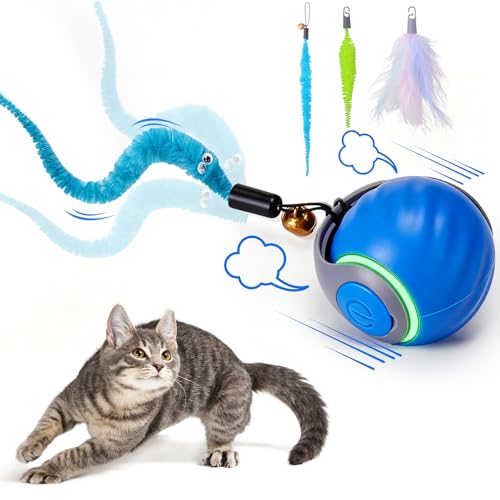
BABORUI Interactive Cat Toy Ball – Automatic Interactive Cat Toys for Indoor Cats with 3 Tails, 2 Speeds Rechargeable Cat Enrichment Toys for Small/Medium/Large Cats to Keep Them Busy(Blue)
A NEW CHOICE FOR INDOOR ENTERTAINMENT: Endless fun for your cat! Designed for indoor environments, this interactive toy…
As an affiliate, we earn on qualifying purchases.
As an affiliate, we earn on qualifying purchases.