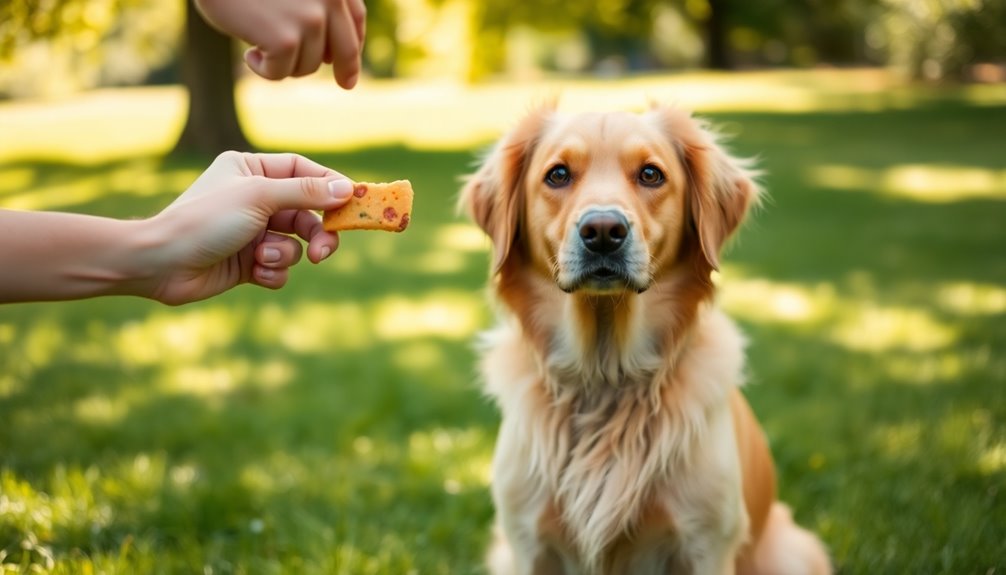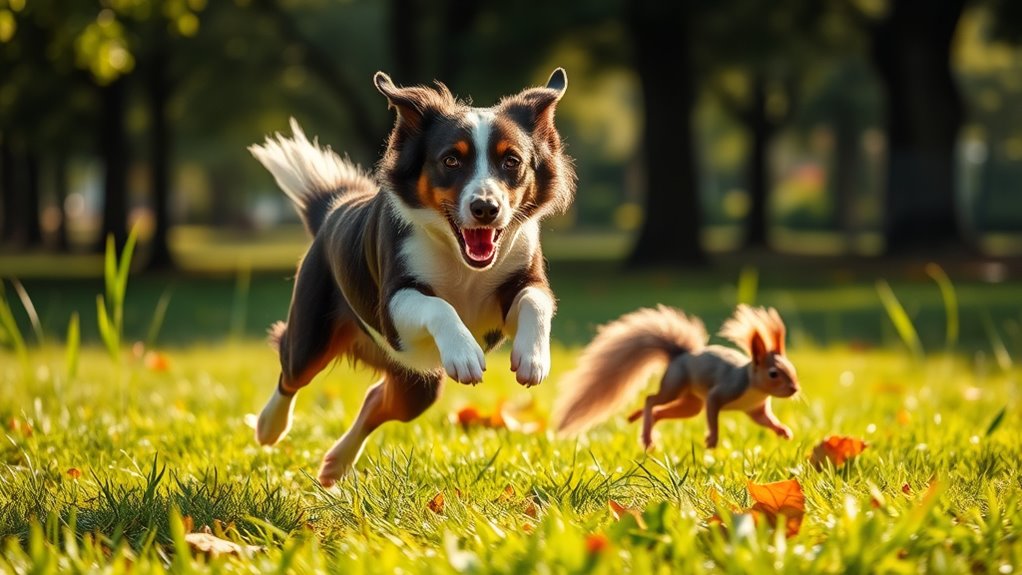

Dogs chase because of their natural prey drive, which comes from their wolf ancestors and is triggered by fast-moving objects like squirrels or bicycles. This instinct isn’t easy to suppress but can be managed through consistent behavior training, such as teaching commands to redirect their focus. Providing safe outlets for energy and mental stimulation helps reduce impulsive chasing. If you want practical tips to channel this instinct safely, there’s more to explore below.
Key Takeaways
- Prey drive is an instinct rooted in a dog’s genetics and evolutionary history, inherited from wild ancestors like wolves.
- Dogs chase stimuli such as squirrels or bicycles due to high energy, curiosity, and natural hunting instincts.
- Managing prey drive involves training to redirect attention and rewarding calm behavior instead of chasing.
- Enrichment activities like exercise and mental stimulation help reduce impulsive chasing and satisfy natural instincts.
- While impossible to eliminate, prey drive can be safely channeled through leash control, training, and environmental management.
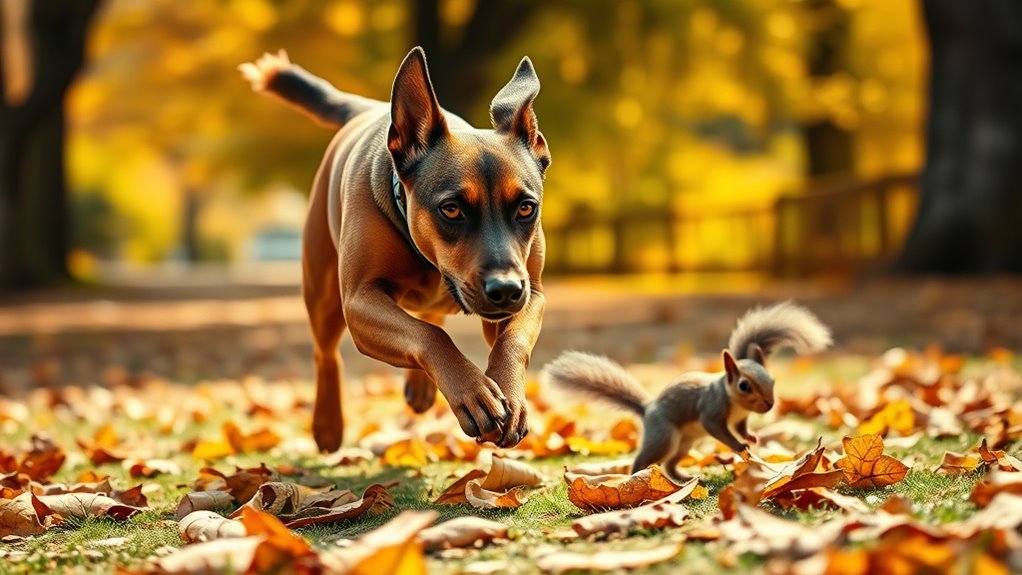
Have you ever wondered why some dogs instinctively chase after moving objects or small animals? This behavior, known as prey drive, is deeply rooted in their genetics and evolutionary history. Dogs evolved from wild ancestors like wolves, who relied on chasing and capturing prey to survive. Even though domesticated dogs often live comfortably with humans, this ancient instinct can still surface, especially when they see something small and fast moving. Understanding what triggers this behavior is key to managing it effectively.
Prey drive in dogs stems from their wild ancestors’ instinct to chase and capture moving prey.
When your dog spots a squirrel darting across the yard or a bicycle whizzing past, their natural instinct kicks in. They feel compelled to chase, driven by a combination of high energy, curiosity, and that ingrained prey drive. If left unmanaged, this behavior can become dangerous, leading to accidents or lost dogs. But don’t worry—there are ways to handle this instinct without suppressing it completely. Behavior modification plays a pivotal role here. It involves teaching your dog alternative responses to their prey drive triggers, such as focusing on commands like sit or stay when they start to fixate on moving objects. Consistent training helps your dog learn that ignoring prey stimuli can be rewarding, especially when combined with positive reinforcement.
In addition to behavior modification, enrichment techniques are essential for redirecting your dog’s energy and fulfilling their natural instincts in a safe, controlled way. Providing plenty of physical exercise is fundamental—long walks, fetch games, or agility training can tire them out and reduce impulsive chasing. Mental stimulation, like puzzle toys or scent work, also plays a big part in keeping their minds engaged. When your dog’s brain is occupied, they’re less likely to fixate on chasing after every small movement. Incorporating enrichment techniques creates a more balanced environment, helping your dog feel satisfied and less prone to impulsive chasing.
Managing prey drive isn’t about eliminating natural instincts but channeling them positively. Training sessions should be consistent and patient, emphasizing calmness and focus. Use leash training during walks to prevent chasing, and reward your dog for ignoring distractions. Over time, your dog can learn to control their impulses better and respond reliably to commands, even when prey-like stimuli appear. Recognizing that prey drive is a natural instinct can help owners approach training with patience and understanding. Remember, understanding and respecting your dog’s prey drive allows you to create a safer environment for both of you. Combining behavior modification with enrichment techniques provides a practical approach to managing this powerful instinct, fostering a more harmonious relationship and ensuring your dog’s natural drives are expressed safely.

Starmark Pro-Training Dog Collar Large
Age Range Description: All Life Stages
As an affiliate, we earn on qualifying purchases.
As an affiliate, we earn on qualifying purchases.
Frequently Asked Questions
Can Prey Drive Be Completely Eliminated in Dogs?
Prey drive can’t be completely eradicated in dogs because it’s rooted in their breed predispositions and survival instincts. However, you can manage it effectively through consistent training techniques like positive reinforcement, redirecting their focus, and socialization. While some breeds may have higher prey drives, with patience and proper training, you can minimize chasing behaviors and ensure your dog remains safe and well-behaved.
Does Prey Drive Vary Among Different Dog Breeds?
Ever wondered if prey drive varies among breeds? It certainly does—breed differences and instinct variations play a big role. Some breeds, like terriers or hounds, naturally have a stronger prey drive because of their history and purpose. Other breeds may have a milder instinct. Recognizing these differences helps you tailor training and management strategies, ensuring your dog’s natural instincts are channeled appropriately and safely.
How Does Prey Drive Develop in Puppies?
Prey drive in puppies develops through their natural instincts and early puppy behavior. As they grow, they explore the world with curiosity, and chasing moving objects is a part of their instinctive play. You’ll notice this behavior especially when they’re excited or focused. Providing safe outlets like play and training helps manage this drive. Remember, understanding how prey drive develops helps you better guide your puppy’s natural instincts and prevent unwanted chasing.
Are There Specific Activities to Channel Prey Drive Positively?
Fuel your dog’s fierce prey drive with fun-filled, focused activities like scent games and interactive play. These activities help harness his hunting tendencies positively, providing mental stimulation and physical exercise. By engaging in scent trails or fetch games, you channel that chase energy constructively. These carefully chosen, engaging activities transform natural instincts into positive pursuits, preventing mischief and malice, all while making your dog’s days dynamic and delightful.
Is Prey Drive Linked to Aggression in Dogs?
Prey drive can be linked to aggression in dogs, especially if it’s poorly managed. When your dog’s prey drive is high, it might react aggressively toward moving objects or animals, impacting leash manners and social interactions. To prevent this, use positive reinforcement and appropriate training to redirect their prey instincts. Consistent management helps your dog stay calm, improves leash manners, and encourages better social behavior around other dogs and people.

FOXMM Interactive Dog Treat Puzzle Toys for IQ Training & Mental Stimulating,Fun Slow Feeder,Large Medium Small Dogs Enrichment Toys with Squeak Design
【Product Size】10 inch*10 inch*1.2 inch.
As an affiliate, we earn on qualifying purchases.
As an affiliate, we earn on qualifying purchases.
Conclusion
Now that you understand your dog’s prey drive, imagine gently guiding a wild river to flow smoothly rather than wild rapids. With patience and proper training, you can steer your dog’s instincts safely, like a skilled captain steering a calm stream. When you recognize the signs and set clear boundaries, you help your dog find joy in controlled play rather than chaos. Together, you create a peaceful journey where trust and understanding flow effortlessly.
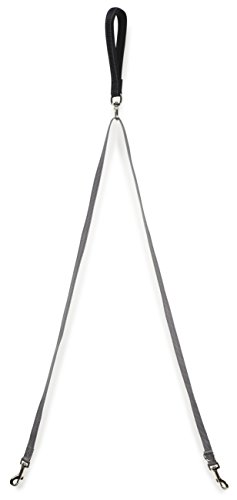
PetSafe Two Point Control Leash, Padded and Reflective Nylon, Converts to Single Leash, Works with 3in1 Harnesses, 3/4 in. Wide
DISCOURAGES LEASH PULLING: The PetSafe Two Point Control Leash is designed to provide you with more control and…
As an affiliate, we earn on qualifying purchases.
As an affiliate, we earn on qualifying purchases.
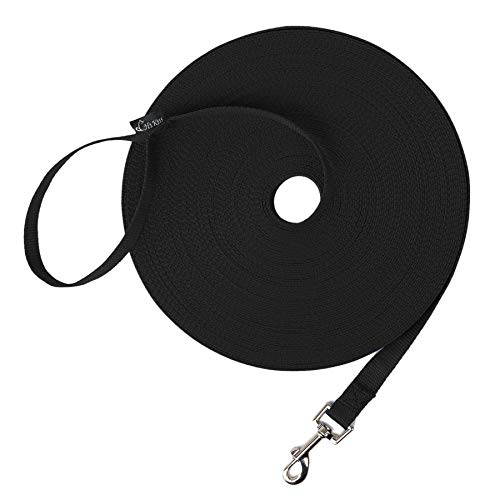
Hi Kiss Dog/Puppy Obedience Recall Training Agility Lead – 15ft 20ft 30ft 50ft 100ft Training Leash – Great for Play, Camping, or Backyard – Black 30ft
DIMENSIONS – This dog leash measures 3/4in wide by 30 feet long. Great for hiking, camping, training, hunting,…
As an affiliate, we earn on qualifying purchases.
As an affiliate, we earn on qualifying purchases.