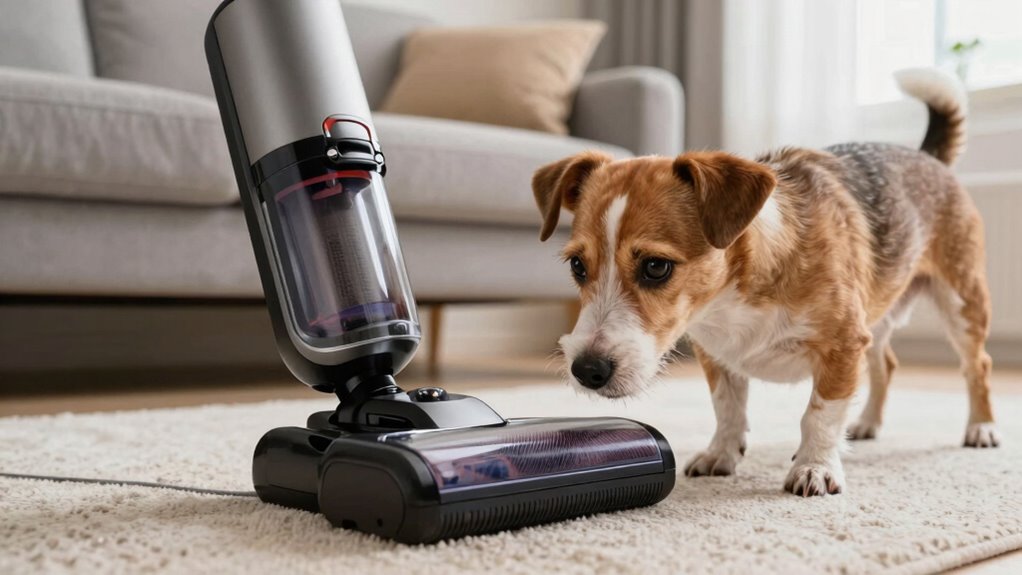

When introducing a nervous dog to new home equipment, start by showing the items from a distance and letting your dog observe calmly. Use treats and praise to encourage positive associations, and go at their pace—never force closeness. Watch for signs of stress and take breaks if needed. Gradually increase interaction, integrating the equipment into daily routines once your dog feels more comfortable. For more tips on easing your dog’s adaptation, keep exploring this approach.

Get pet supplies delivered free — and shop member deals
- Fast, free delivery on millions of items
- Access to Prime Big Deal Days deals on October 6–7
- Prime Video, Amazon Music and more included
Key Takeaways
- Introduce equipment from a distance with calm tones, allowing the dog to observe without pressure.
- Use positive reinforcement, like treats and praise, to create pleasant associations with new items.
- Watch for stress signals; slow down or pause if the dog shows signs of discomfort.
- Gradually increase interaction time, integrating equipment into daily routines to build familiarity.
- Respect the dog’s pace, ensuring a patient, pressure-free environment to foster confidence.

Bringing new home equipment into your space can be stressful for a nervous dog, but with patience and careful planning, you can help them adjust smoothly. Your goal is to make the transition as non-threatening as possible, which means approaching it with sensitivity and a solid plan rooted in dog training and anxiety management techniques. Dogs that are naturally anxious often fear change, so introducing new equipment requires a gentle, step-by-step process. Start by familiarizing your dog with the equipment from a distance, allowing them to observe without feeling pressured. Use calm, reassuring tones and avoid forcing your dog into proximity if they seem overwhelmed. This initial exposure helps reduce their curiosity or fear gradually, building confidence over time.
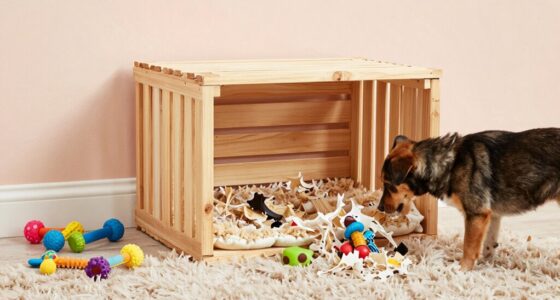
Incorporate positive reinforcement during every step. When your dog notices the new equipment or approaches it calmly, reward them with treats, praise, or play. This creates a positive association with the unfamiliar object, which is essential for effective dog training and anxiety management. For example, if you’re introducing a new crate, place treats inside and encourage your dog to explore at their own pace. Don’t rush this process; patience is key. If your dog shows signs of stress—such as trembling, lip licking, or retreating—take a step back and give them more time to adjust. Pushing before they’re ready can increase anxiety instead of easing it.
Gradually increase their exposure by encouraging brief interactions with the new equipment, always rewarding calm behavior. Over time, extend the duration of their close proximity and interaction, ensuring each experience remains positive. When you’re confident your dog is comfortable, you can start integrating the equipment into their daily routine. For example, if it’s a new bed or mat, encourage them to rest on it with plenty of treats nearby. Consistency and patience will help your dog associate the equipment with safety and comfort, which is crucial for anxiety management. Additionally, understanding the importance of biodiversity and maintaining a healthy environment can contribute to a calmer, more balanced home for your pet.
Throughout this process, remain observant of your dog’s body language. Signs of stress or discomfort indicate you should slow down or take a break. Remember, dog training isn’t just about commands; it’s about creating a secure environment where your pup feels safe. Recognizing stress signals can help you adjust your approach and prevent setbacks. Incorporating behavioral cues and understanding their significance can give you better insight into your dog’s emotional state. With steady, gentle encouragement, and by respecting their pace, you’ll help your nervous dog adapt to new home equipment with less stress. Over time, what once caused anxiety will become just another part of their familiar environment, making your home a more comfortable space for everyone.
As an affiliate, we earn on qualifying purchases.
Frequently Asked Questions
How Long Does It Usually Take for a Dog to Adjust?
It usually takes a nervous dog anywhere from a few days to several weeks to adjust to new home equipment, depending on their individual temperament. During this adjustment timeline, you’ll notice changes in dog behavior as they become more comfortable. Patience and consistent positive reinforcement help speed up this process. Keep in mind that every dog is unique, so some may adapt faster while others need more time and gentle encouragement.
Should I Use Treats During the Introduction Process?
Think of treat training as planting tiny seeds of trust. Using treats during the introduction process acts like positive reinforcement, encouraging your dog to explore new equipment confidently. You should absolutely use treats—praise and rewards help your dog associate the unfamiliar with positive feelings. Keep treats handy, rewarding curiosity and calm behavior. Over time, your nervous dog will blossom into a confident explorer, all thanks to your gentle, rewarding approach.
Can I Introduce Multiple New Items at Once?
You can introduce multiple new items at once, but it’s best to do so gradually. Start by introducing one piece of equipment at a time, allowing your dog to become familiar with each before adding another. This approach helps reduce overwhelm and builds confidence. Use positive reinforcement and treats to encourage curiosity, ensuring your dog develops a comfortable familiarity with all new equipment through a steady, step-by-step process.
How Do I Handle a Dog That Refuses to Approach Equipment?
It’s ironic how your dog might refuse to approach equipment, yet with patience, you can turn that around. Start with leash training to gently guide them closer, rewarding every small step. Incorporate crate training to create a safe space, helping build confidence. Never force, but encourage slowly—sometimes the hardest part is trusting your dog’s pace. With consistency, even the most hesitant pups learn to accept new equipment.
What Signs Indicate My Dog Is Overwhelmed or Stressed?
If your dog shows signs of stress, watch their body language closely—ears back, lip licking, yawning, or avoiding eye contact indicate they’re overwhelmed. You might notice pacing or trembling too. To help, use stress relief techniques like gentle praise, creating a calm environment, and offering treats. Keep interactions slow and positive, giving your dog time to adjust without pressure, ensuring they feel safe and supported during the process.
Conclusion
By gradually familiarizing your nervous dog with new equipment and offering plenty of positive reinforcement, you help build their confidence and trust. For example, when introducing a new crate, start with treats and praise around it, then slowly encourage your dog to explore inside. Over time, this gentle approach can transform their fear into comfort, making your home a safe haven. Patience and consistency are key to helping your pup feel secure and at ease.
Halloween Picks
halloween
As an affiliate, we earn on qualifying purchases.