
Incorporating sniff breaks into your dog’s training enhances focus and speeds up learning because it taps into their natural curiosity and reliance on scent for understanding the environment. These breaks serve as mental resets, reduce frustration, and prevent boredom, making training more enjoyable and less stressful for your dog. They also promote confidence and security, leading to better responses to commands. If you want to discover how to maximize these benefits, keep exploring how scent-based pauses can improve your training routine.

Get pet supplies delivered free — and shop member deals
- Fast, free delivery on millions of items
- Access to Prime Big Deal Days deals on October 6–7
- Prime Video, Amazon Music and more included
Key Takeaways
- Sniff breaks enhance focus and learning by allowing dogs to process information naturally.
- They reduce frustration, making training more enjoyable and less stressful for dogs.
- Incorporating scent exploration boosts confidence and security during sessions.
- Breaks prevent boredom and help dogs retain training better.
- Strategic pauses improve overall training efficiency and strengthen the dog-handler bond.
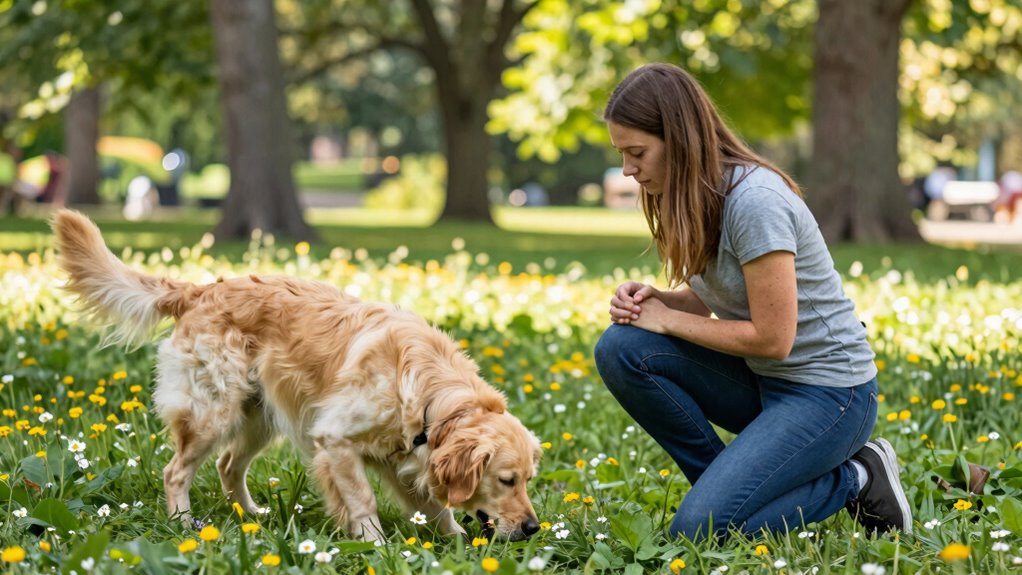
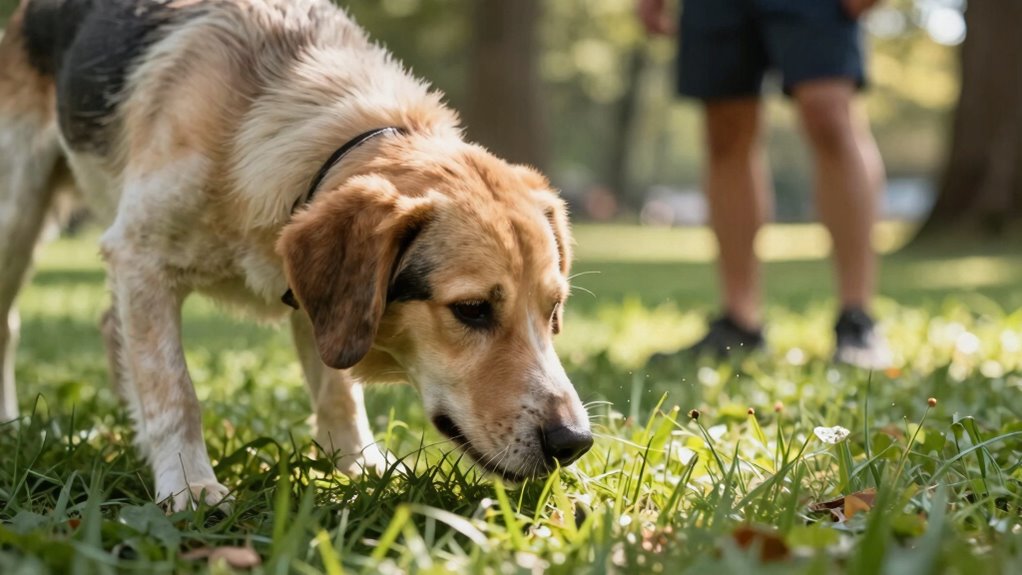
When training your dog, incorporating sniff breaks can substantially enhance their learning experience. These short pauses for your dog to explore their nose might seem like distractions, but they actually boost training efficiency. Dogs rely heavily on their sense of smell, which is their primary way of understanding the world. Allowing them to pause and sniff during training sessions taps into their natural instincts, making the process more engaging and less stressful for them.
Sniff breaks serve as a mental reset, helping your dog stay focused and prevent burnout. When a dog is overly stimulated or overwhelmed, their attention span diminishes, and training becomes less effective. By giving them moments to indulge in their olfactory curiosities, you provide mental stimulation that complements the commands you’re teaching. This not only keeps your dog interested but also reduces frustration for both of you. Instead of forcing your dog to ignore their instincts, you harness their natural behaviors to improve overall training outcomes.
Additionally, incorporating sniff breaks can enhance your dog’s confidence. When they’re allowed to explore their environment through scent, they feel more secure and curious rather than anxious or distracted. This sense of security translates into better responsiveness to commands and a more positive attitude toward training sessions. It’s a simple way to foster a cooperative mindset, especially during more challenging exercises.
Some trainers worry that frequent sniff breaks might slow progress, but the opposite is true. When your dog is happy and mentally engaged, they learn faster. These breaks prevent boredom and help your dog process what they’ve learned during the session. As a result, training sessions become more efficient because your dog retains information better when they’re not overwhelmed or distracted. Sniff breaks act as strategic pauses that reinforce focus, making each training moment count. Recognizing how natural behaviors influence training outcomes can help you develop more effective routines. Incorporating an understanding of dog sensory perception further enhances your training approach and deepens your bond. In fact, respecting their sensory needs fosters a more balanced training environment, leading to more consistent progress.
Furthermore, understanding that dogs use their sense of smell to understand their environment helps trainers develop more effective methods. Recognizing the importance of sensory input in training can lead to more tailored and successful strategies. Lastly, it’s important to recognize that sniff breaks aren’t just about enjoyment—they’re a crucial part of effective dog training. They encourage natural behaviors, reduce stress, and increase engagement, all of which directly contribute to better training efficiency. By integrating these breaks into your routines, you create a balanced environment where your dog feels motivated and confident. In doing so, you’re not just teaching commands—you’re building a trusting, communicative relationship that makes training a more enjoyable experience for both of you.
As an affiliate, we earn on qualifying purchases.
Frequently Asked Questions
How Long Should a Typical Sniff Break Last?
A typical sniff break should last about 5 to 10 seconds, depending on your dog’s needs. The ideal timing involves observing your dog’s behavior; when they start losing focus or seem distracted, it’s the right moment for a sniff break. Keep the sniff break duration brief to maintain training momentum and prevent overstimulation. Adjust the timing as necessary, ensuring it’s long enough for your dog to enjoy the scent without disrupting progress.
Can Sniff Breaks Be Used With All Dog Breeds?
Yes, you can use sniff breaks with all dog breeds. They support breed-specific training by enhancing scent recognition skills across diverse breeds, from scent hounds to retrievers. Sniff breaks keep your dog engaged and motivated, regardless of breed. Just tailor the activity to your dog’s size, energy level, and scent interests, ensuring each breed benefits from this enriching and effective training technique.
Are There Any Risks Associated With Excessive Sniff Breaks?
Are you worried that too many sniff breaks could harm your dog? Excessive sniffing might lead to health concerns like fatigue or skin irritation, and it could impact behavior by encouraging over-reliance on scent cues. However, moderation is key. Keep sniff breaks balanced, and you’ll avoid negative effects. Always watch for signs of discomfort, ensuring your dog enjoys training without risking health or behavioral issues.
How Do I Encourage My Dog to Take Sniff Breaks?
You can encourage your dog to take sniff breaks by using positive reinforcement and engaging training techniques. When your dog sniffs naturally, praise them or give treats to reinforce this behavior. During walks or training, pause occasionally and prompt them to explore with gentle commands. This taps into their natural dog behavior, making training more enjoyable. Consistently incorporating sniff breaks helps your dog stay engaged, relaxed, and improves overall training results.
Do Sniff Breaks Improve a Dog’s Focus During Training?
Absolutely, sniff breaks boost your dog’s focus during training. Think of it as a moment of scent enrichment—like aromatherapy benefits for their mind—helping them reset and stay engaged. By allowing your dog to explore smells, you’re giving them a mental break, which enhances their ability to concentrate. This simple break transforms training into a fun, enriching experience, making your dog more attentive and enthusiastic to learn, just like a true 21st-century scholar.
Conclusion
So, next time you’re tempted to skip those “useless” sniff breaks, remember—they’re secretly your training’s best friend. Who knew that a quick whiff of fresh air could boost focus, improve memory, and make you a more productive human? It’s like giving your brain a tiny spa day, all while pretending you’re not just procrastinating. Embrace the sniff breaks—they’re the sneaky trick your training routine’s been craving all along!
Halloween Picks
halloween
As an affiliate, we earn on qualifying purchases.