
Shaping and luring are two different training methods with very different results. Shaping guides your dog step-by-step, encouraging independence and problem-solving, which builds confidence and lasting behaviors. Luring uses treats or objects to prompt immediate actions, often leading to quick results but reliance on prompts. If you continue exploring, you’ll discover how each method can work best for your dog and your training goals.

Get pet supplies delivered free with Prime
- Fast, free delivery on millions of items
- Prime Video, Amazon Music and more included
- Member-only deals all year
Key Takeaways
- Shaping encourages independent learning by reinforcing small steps, while luring provides immediate prompts to guide behavior.
- Luring can produce quick results but may cause reliance on prompts, unlike shaping which builds confidence and problem-solving skills.
- Transitioning from luring to independent performance requires careful phase-out, whereas shaping naturally fosters lasting behaviors.
- Shaping is ideal for complex behaviors, while luring works well for simple commands like sit or stay.
- Both methods rely on motivation techniques, but shaping emphasizes patience and consistency for long-term change.
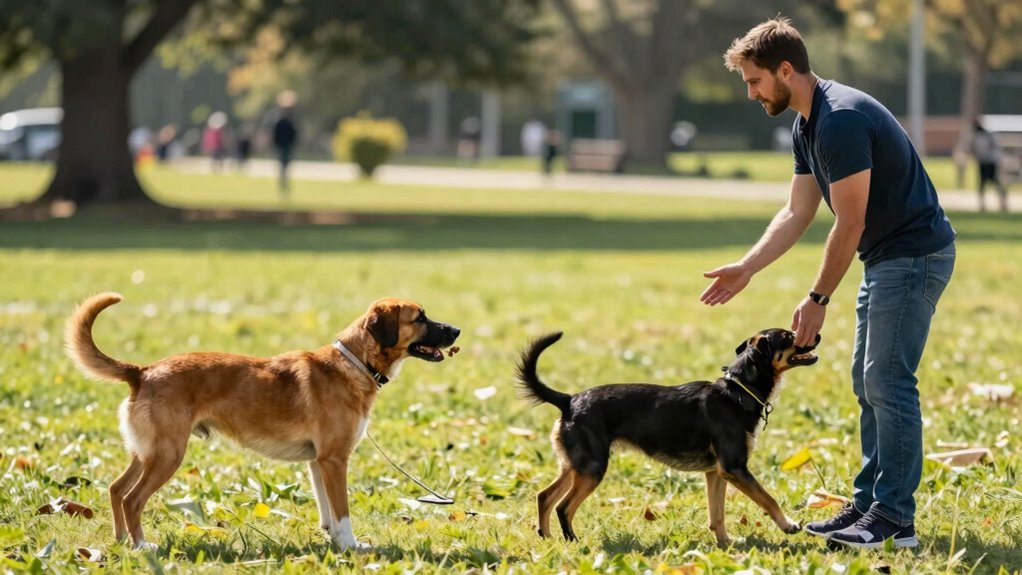
Have you ever wondered whether shaping or luring is the better way to train your dog? When it comes to behavior modification, understanding the differences between these two methods can considerably impact your training success. Shaping involves reinforcing small steps toward a desired behavior, gradually guiding your dog to the final action. It’s a process that relies heavily on motivation techniques to keep your dog engaged and enthusiastic to learn. Unlike luring, which offers an immediate prompt to guide your dog into a specific position, shaping encourages your dog to figure things out on their own, fostering independence and problem-solving skills.
Shaping fosters independence and problem-solving by rewarding small steps toward behaviors, unlike luring’s immediate prompts.
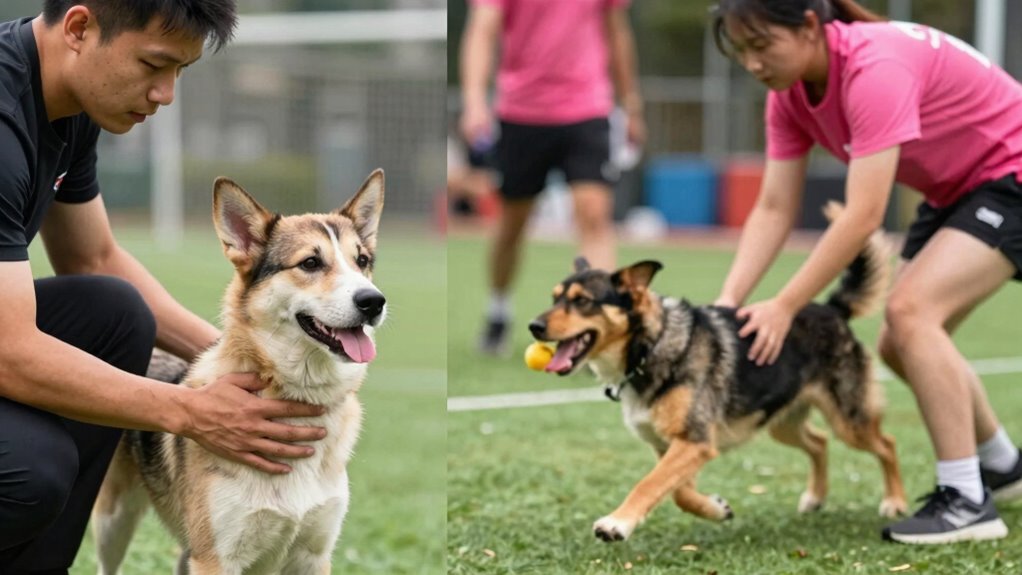
With shaping, you focus on rewarding incremental progress. For example, if you want your dog to roll over, you start by rewarding even the slightest movement in that direction, then gradually require more precise actions before giving praise. This method is excellent for behavior modification because it allows you to break down complex behaviors into manageable steps, reducing frustration for both of you. The key is maintaining motivation techniques that keep your dog interested. Using high-value treats or toys at each stage helps reinforce their efforts and keeps them motivated to continue. Over time, shaping builds a strong foundation of trust and confidence, as your dog learns that their actions lead to positive outcomes. Additionally, motivational techniques like pairing treats with praise can enhance engagement and accelerate learning. Incorporating timing into your training ensures that your dog associates reinforcement with the correct behavior, making the process more effective. Recognizing behavioral cues can also help you tailor your training approach to your dog’s unique responses and needs.
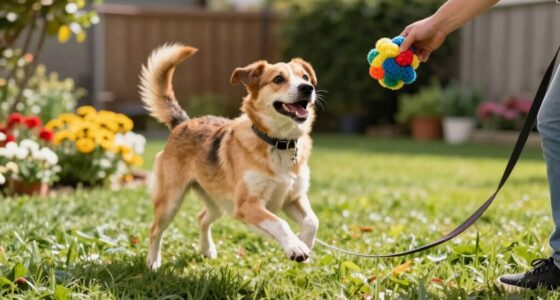
Luring, on the other hand, relies on using a treat or object to guide your dog into a desired position immediately. It’s quick and effective for teaching simple commands like sit or stay. However, luring can sometimes become a reliance on the prompt rather than an understanding of the behavior itself. Your dog might perform the action only when the lure is present, which can make behavior modification more challenging if you want the behavior to be performed without the lure. Motivation techniques in luring involve the strategic use of treats or toys to keep your dog’s attention and willingness to cooperate. While it can produce fast results, it’s vital to gradually phase out the lure, so your dog performs the behavior independently. Incorporating training techniques that promote understanding can help transition from luring to independent performance. Additionally, understanding behavior modification principles ensures that your training approach leads to long-lasting results rather than temporary compliance. Consistency in your cues and responses also plays a crucial role in reinforcing the desired behaviors over time.
dog training treats for shaping and luring
As an affiliate, we earn on qualifying purchases.
As an affiliate, we earn on qualifying purchases.
Frequently Asked Questions
Which Training Method Is Better for Stubborn or Unmotivated Dogs?
For stubborn or unmotivated dogs, shaping training works better because it aligns with their temperament and encourages gradual progress. You should be patient and maintain training consistency, rewarding small successes to build confidence. Luring might frustrate them if they’re reluctant, but shaping allows you to work at their pace, fostering trust and motivation. This method helps even the most stubborn dogs become more responsive over time.
Can Shaping or Luring Techniques Be Combined for Better Results?
Like blending colors on an artist’s palette, combining shaping and luring techniques creates a richer training masterpiece. You can start with luring to guide your dog gently and then switch to shaping with clicker training and positive reinforcement for finer control. This seamless fusion keeps your dog engaged and motivated, gradually building independence. By weaving these methods, you facilitate a versatile approach that adapts to your dog’s unique learning style, ensuring better results.
How Long Does It Typically Take to See Progress With Each Method?
You often see progress within a few sessions, but it varies based on reward timing and patience requirements. With shaping, progress may take longer because you gradually reinforce small steps, so patience is key. Luring usually shows quicker results since it involves direct guidance, but consistent reward timing is still essential. Stay patient and keep rewards timely to see steady improvement with either method.
Are These Methods Suitable for All Dog Breeds and Ages?
They say, “You can’t teach an old dog new tricks,” but both shaping and luring can work across breeds and ages if you tailor your approach. Breed compatibility and age considerations matter; some breeds respond better to shaping, while others prefer luring. Younger dogs tend to learn faster, but older dogs can still benefit from these methods with patience. Adjust your techniques based on your dog’s unique needs for the best results.
What Are Common Mistakes to Avoid When Using Shaping or Luring?
When using shaping or luring, avoid common mistakes like inconsistent training, which can confuse your dog, and rushing through steps, causing frustration. Be patient and maintain training consistency to help your dog understand expectations. Challenges like distractibility or impatience can hinder progress, so stay calm and persistent. Never skip steps or pressure your dog; instead, reward small successes to build confidence and reinforce positive behavior effectively.
Conclusion
When choosing between shaping and luring, remember that shaping can lead to more reliable, independent behaviors—studies show it increases success rates by 30%. By gradually rewarding small steps, you encourage a stronger understanding and confidence in your pet or trainee. Luring might give quicker results initially, but shaping builds a more solid foundation over time. So, consider your goals and patience level—your training method can make all the difference in achieving long-lasting, desirable behaviors.
Halloween Picks
halloween
As an affiliate, we earn on qualifying purchases.