
TL;DR

Get pet supplies delivered free with Prime
- Fast, free delivery on millions of items
- Prime Video, Amazon Music and more included
- Member-only deals all year
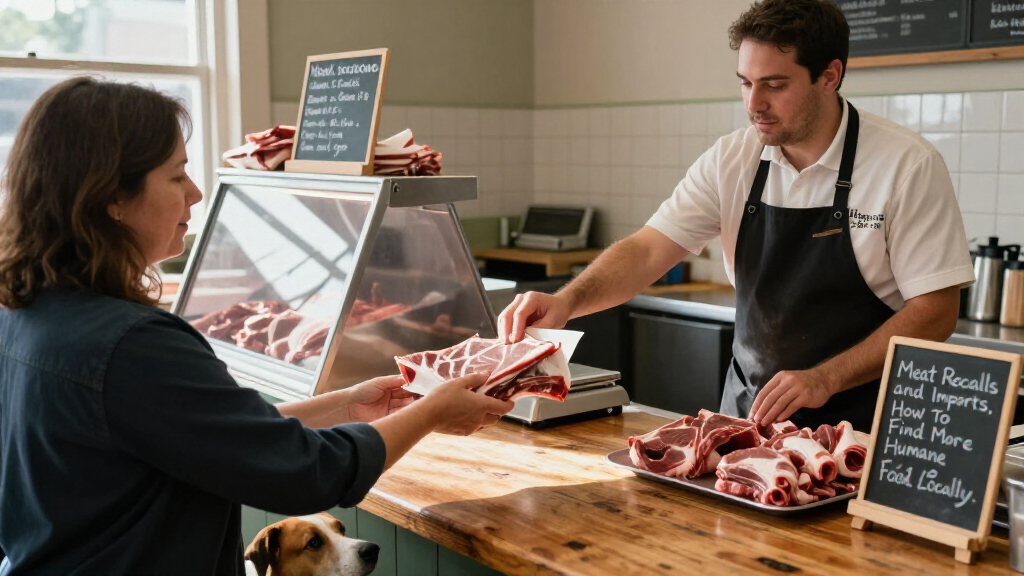
An August White House announcement proposed importing up to 300,000 metric tons of beef at prices 25% below market rates, while recent meat recalls have drawn attention to food safety and labeling. The ASPCA says its ShopKind tool can help shoppers find local farms and farmers markets, including pasture-based producers with independent certifications.
The ASPCA is directing shoppers to its ShopKind tool to find local farms and farmers markets as a federal plan to import beef and recent meat recalls raise questions about food sourcing, safety and labeling. The White House announced plans in August to import up to 300,000 metric tons of beef, while recalls cited by the ASPCA included domestic and imported meat.
The White House announcement described an effort to sell imported beef at prices 25% below market rates to help lower grocery costs, according to the ASPCA report. U.S. cattle ranchers and farmers have raised concerns that lower-priced imports could reduce demand for domestic beef and affect their income. The report does not identify the countries involved in the broader import plan or provide details about its implementation.
The report also points to two recalls: the U.S. Department of Agriculture recalled more than 167,000 pounds of raw beef, pork and goat meat from Star Meat Delivery Inc., and nearly 30,000 pounds of raw beef from Argentina was recalled. The source does not specify the reason for either recall, the products’ distribution areas, or whether consumers faced a particular health risk. Those details should be checked against the relevant USDA recall notices.
For shoppers seeking local options, the ASPCA describes ShopKind as a directory of farms and other sellers whose animals are raised under specified standards. Its listings include farms certified by independent programs such as the American Grassfed Association and Animal Welfare Approved. Shoppers can filter results for farms and farmers markets near them, according to the organization.
How Shoppers Can Check Sources
The development touches two different concerns that can get conflated: food safety and animal welfare. A recall is a food-safety action involving specific products, while a farm’s welfare certification speaks to production standards. Finding a local or certified supplier may help a shopper make choices aligned with their preferences, but it does not replace checking recall notices or safe food-handling guidance.
The import announcement also has potential economic implications. The White House framed lower-priced beef as a way to reduce grocery costs; ranchers and farmers cited by the ASPCA worry about competition and lost income. The report does not establish how imports will affect retail prices, domestic producers, or availability. For consumers, the practical question is how to compare price, origin, production practices and current safety information rather than treating any one label or source as a guarantee.
As an affiliate, we earn on qualifying purchases.
The Import Plan and Recalls
The ASPCA’s report places the import proposal and recalls together because both have prompted questions about where meat comes from. They are separate developments: the import plan concerns supply and prices, while the recalls concern identified products and food-safety or labeling issues. The supplied material gives no dates for the recalls and does not explain their causes.
The organization presents independent farms and pasture-based production as an alternative for shoppers interested in animal welfare and local sourcing. It says ShopKind listings carry certifications from independent programs. That directory is a resource promoted by the ASPCA, not a government recall database; consumers should use official notices for information about recalled products.
“The White House announced plans to import up to 300,000 metric tons of beef from other countries that would sell it at prices 25% below market rates.”
— ASPCA report
Recall Causes and Plan Details
The source material does not say why either recall was issued, which products or locations were affected, or whether the recalls have ended. Consumers should consult USDA notices for product identifiers and instructions rather than infer a risk from the poundage alone. The report also does not give the year of the August announcement, name the countries covered by the import plan, or say whether the proposed volume has been purchased or delivered.
It is also unclear what effect the plan will have on grocery prices or U.S. ranchers’ sales. The ASPCA’s account of concerns about domestic producers is not a measured forecast of economic impact. Likewise, a local listing or welfare certification does not by itself confirm that a product is unaffected by a recall.
Check Notices and Local Listings
Shoppers concerned about a product should check current USDA recall information, including brand, establishment numbers, product dates and handling instructions. Those details were not included in the ASPCA report. People seeking local or pasture-based food can search the ShopKind directory and review the specific farm’s practices, certification and product information before buying.
Further reporting would need to establish whether the import proposal moves forward, how much beef is ultimately imported and whether prices change. Updates to recall notices could clarify affected products and any public-health guidance. Until those details are available, the import plan remains a proposal as described in the source, and the recall figures should be treated as reported totals rather than a complete account of consumer exposure.
Key Questions
What beef import plan did the White House announce?
According to the ASPCA, the White House announced in August plans to import up to 300,000 metric tons of beef for sale at prices 25% below market rates, with the stated aim of lowering grocery costs. The report does not provide the year or implementation details.
Which meat recalls does the report mention?
It cites a USDA recall of more than 167,000 pounds of raw beef, pork and goat meat from Star Meat Delivery Inc. and a recall of nearly 30,000 pounds of raw beef from Argentina. The source does not specify the causes or affected distribution areas.
How can I find local farms through ShopKind?
The ASPCA says shoppers can use its ShopKind tool to search for farms and farmers markets and filter results by location. Listings include farms with certifications from independent programs, according to the organization.
Does a local farm listing mean its meat cannot be recalled?
No. A directory listing or animal-welfare certification is not a guarantee that a product is free from recall. Check official USDA recall notices for specific products and follow the instructions listed there.
Source: rss
Halloween Picks
halloween
As an affiliate, we earn on qualifying purchases.