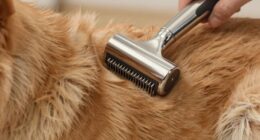

The Cavalier King Charles Spaniel is a friendly, affectionate breed with a gentle personality and an elegant appearance. They need regular grooming, especially brushing their silky coat to prevent mats and keep their skin healthy. Health-wise, they’re prone to heart issues and ear infections, so regular vet check-ups are a must. Their social nature makes training easier, but they can struggle with separation anxiety. Keep caring for their needs, and you’ll enjoy a happy, well-adjusted companion—there’s much more to discover about this charming breed.
Key Takeaways
- Cavaliers are prone to heart issues and ear infections, requiring regular veterinary check-ups for early detection and care.
- Their silky, medium-length coat needs frequent brushing to prevent mats and maintain health and appearance.
- They are friendly, affectionate, and eager to please, making training easier with positive reinforcement.
- Early socialization helps prevent shyness and overdependence, supporting a balanced personality.
- Consistent grooming and social interaction strengthen their bond and promote overall well-being.

The Cavalier King Charles Spaniel is a charming and affectionate small dog known for its expressive eyes and silky coat. If you’re considering bringing one into your home, understanding their background and training needs is vital. Their breed history dates back centuries, originating from European court dogs that were favored by royalty. These dogs were bred to be companions, and their gentle, friendly nature reflects that long history of companionship. Knowing this history can help you appreciate their social and adaptable temperament, which makes training tips particularly important. Because they’re naturally enthusiastic to please, positive reinforcement works best, and early socialization helps prevent shyness or overdependence.
When it comes to training tips, consistency and patience are key. Cavaliers respond well to gentle, encouraging methods rather than harsh correction. Start training early, establishing clear routines, and use rewards like treats or praise to motivate good behavior. These dogs thrive on companionship, so spending quality time during training sessions not only teaches commands but also strengthens your bond. Keep training sessions short and engaging, as they can get distracted easily. Socialization is equally vital; exposing them to different people, environments, and other animals helps develop their confident, well-rounded personality. Because of their history as lap dogs, they might be prone to separation anxiety if left alone too long, so gradual independence training can help manage this tendency.
Their breed history also influences their grooming and health needs. As descendants of elegant, aristocratic dogs, Cavaliers have a silky, medium-length coat that requires regular brushing to prevent mats and tangles. Frequent grooming sessions help maintain their coat’s luster and keep skin healthy. Regular health check-ups are essential, considering their predisposition to certain conditions like heart issues and ear infections. Maintaining a clean, well-groomed appearance not only keeps them comfortable but also allows you to monitor any potential health concerns early. Additionally, understanding their common health issues can aid in early detection and management of inherited conditions.
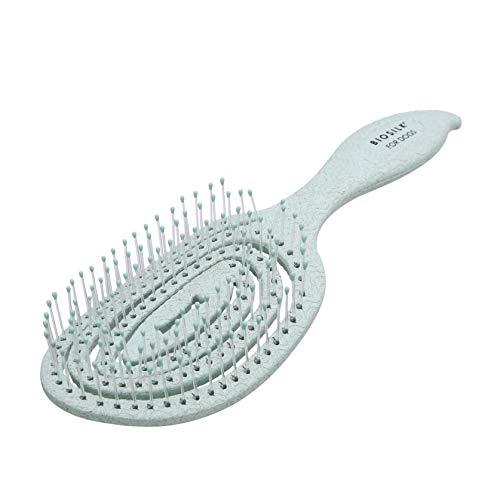
BioSilk for Pets Eco Friendly Detangling Pin Brush for Dogs, Gentle Dog Grooming Brush Designed to Help Remove Knots and Tangles and Support Healthy Coats for All Dogs
DETANGLING PIN BRUSH FOR DOGS: Designed to help gently remove knots and tangles during everyday dog grooming routines,…
As an affiliate, we earn on qualifying purchases.
As an affiliate, we earn on qualifying purchases.
Frequently Asked Questions
What Is the Average Lifespan of a Cavalier King Charles Spaniel?
You can expect a Cavalier King Charles Spaniel’s breed longevity to be around 10 to 14 years. To maximize their lifespan, focus on health considerations like regular vet check-ups and a balanced diet. Early detection of common health issues helps prevent serious problems. By providing consistent care, you guarantee your pup stays happy and healthy throughout their life, making those years with your furry friend truly special.
Are They Suitable for First-Time Dog Owners?
They say “You’re never too old to learn,” and that’s true for first-time dog owners too. Cavalier King Charles Spaniels are friendly and enthusiastic to please, making them suitable for beginners. However, they do require consistent training and socialization to thrive. With patience and commitment to their training needs, you can build a strong bond and enjoy a loving, well-behaved companion.
How Much Exercise Does This Breed Require Daily?
You should aim for about 30 minutes of exercise daily for your Cavalier King Charles Spaniel. They have moderate activity levels and enjoy walks, playtime, and gentle activities. Keep in mind their exercise needs to prevent boredom and maintain health. These dogs thrive on regular activity that stimulates their mind and body, so incorporating daily walks and play sessions guarantees they stay happy and healthy while fulfilling their exercise requirements.
Do They Have Any Common Behavioral Issues?
You might find that Cavaliers can have some behavioral issues, like separation anxiety, which can be a real handful. They often develop training challenges if not socialized early, so patience is key. These pups thrive on companionship and can become overly attached, leading to clinginess. To keep them happy, give them plenty of attention and consistent training, because a well-loved dog is a happy dog.
Can They Adapt Well to Apartment Living?
Yes, Cavalier King Charles Spaniels adapt well to apartment living thanks to their friendly nature and moderate activity level. Their breed adaptability makes them suitable for smaller spaces, as long as you provide daily walks and mental stimulation. You’ll find they’re happy lounging indoors, enjoying your companionship. Just make certain they get enough exercise and attention, and they’ll thrive in an apartment environment, making them excellent companions for city living.
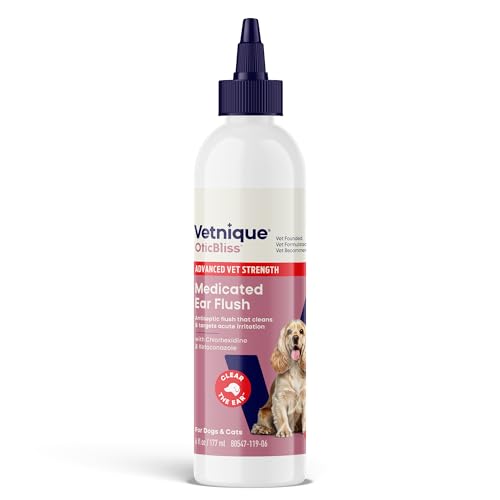
Vetnique Oticbliss Dog Ear Infection Treatment Flush & Ear Cleaner for Dogs & Cats, Antiseptic Antifungal with 0.2% Chlorhexidine and 0.2% Ketoconazole, Medicated Wash for Yeasty Smell, Floppy Ears
MEDICATED DOG EAR CLEANER WITH CHLORHEXIDINE AND KETOCONAZOLE FOR DOGS AND CATS: Oticbliss Advanced Strength Ear Flush is…
As an affiliate, we earn on qualifying purchases.
As an affiliate, we earn on qualifying purchases.
Conclusion
As a Cavalier King Charles Spaniel owner, you’ll appreciate their friendly nature and charming personality. With proper grooming and regular health check-ups, you can guarantee your pup stays happy and healthy. Did you know that about 50% of Cavaliers develop heart issues? Staying informed and proactive helps you give your furry friend the best life possible, making every moment together joyful and rewarding.

VetriScience Extra Strength Healthy Heart Chews, Vetri Cardio Supplement for Dogs, Cardio Support Supplement with Taurine, Carnitine, CoQ10, and Hawthorn, Chicken, 60 Count
Daily Heart Support: A heart-health supplement for dogs designed to promote healthy circulation, a strong heartbeat, normal blood…
As an affiliate, we earn on qualifying purchases.
As an affiliate, we earn on qualifying purchases.

Pat Your Pet Deshedding Dog Brush For Shedding – Cat Brushes For Indoor Cats, Double-Sided Cat Brush Deshedding & Grooming Tool For Long Haired And Short Haired Dogs, Skin-Friendly
Dual-Head Design: 2 sides, 2 coats, 1 tool! Use the 9-teeth side of this dog and cat brush…
As an affiliate, we earn on qualifying purchases.
As an affiliate, we earn on qualifying purchases.