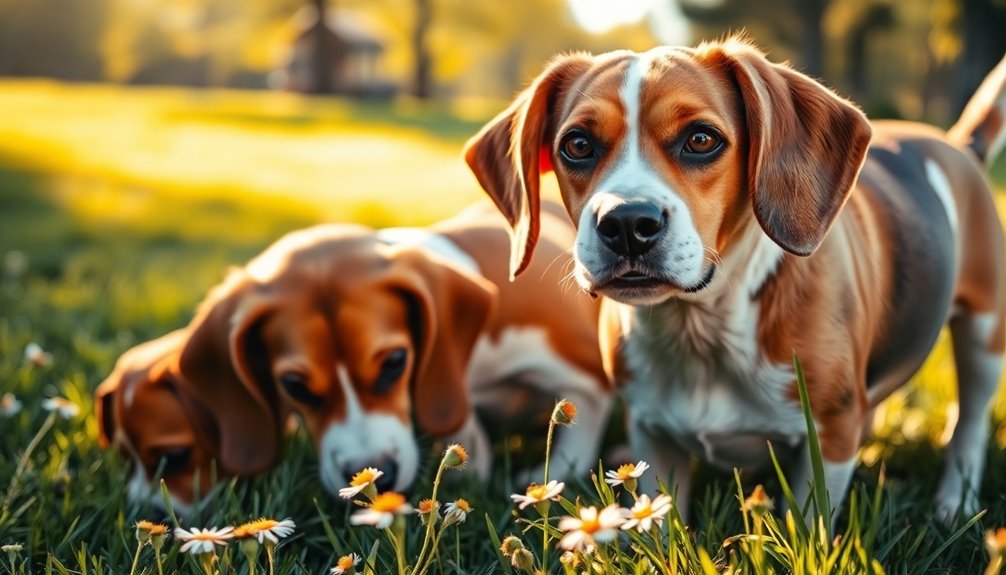
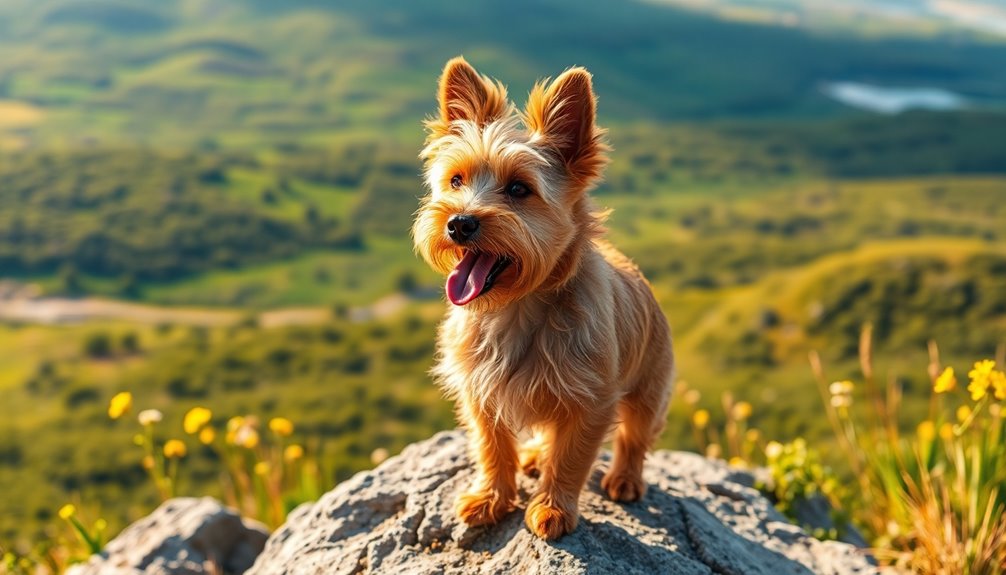
If you own a double-coated breed, you need to know that their thick undercoats shed heavily twice a year, often unexpectedly. Regular grooming with the right tools is essential to manage this shedding, especially during seasonal changes. Skipping routines can lead to excessive hair around your home and potential skin issues for your pup. Staying consistent with grooming and understanding their coat cycles will keep your dog healthier and happier—there’s more to learn about mastering these routines.

Get pet supplies delivered free with Prime
- Fast, free delivery on millions of items
- Prime Video, Amazon Music and more included
- Member-only deals all year
Key Takeaways
- Double-coated breeds shed heavily during seasonal changes, often unexpectedly, requiring increased grooming efforts.
- Regular use of undercoat rakes and deshedding tools effectively manage loose hair and reduce shedding mess.
- Consistent grooming helps detect skin issues early and maintains coat health and comfort.
- Proper grooming routines, starting early, prevent excessive shedding and skin problems later.
- Awareness of seasonal shedding patterns allows owners to plan grooming schedules proactively.
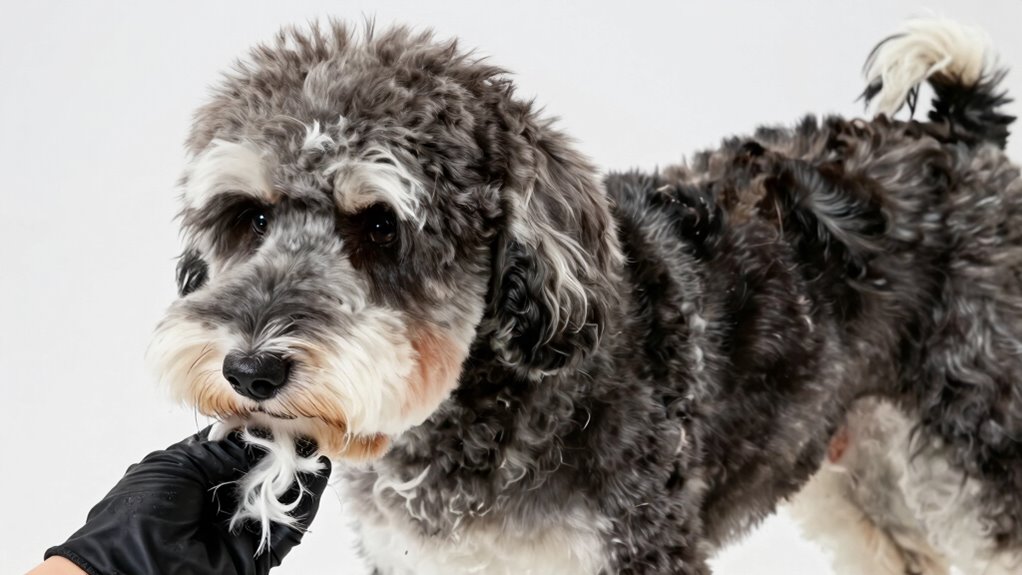
Double-coated breeds have become popular among pet owners who appreciate their unique appearance and natural insulation. These breeds, like Siberian Huskies, Golden Retrievers, and Malamutes, sport thick undercoats layered beneath a weather-resistant outer coat. While their beauty is undeniable, many owners soon realize that caring for these coats requires more than just regular brushing. One of the most important aspects of grooming double-coated breeds is understanding their shedding cycles, which can be quite intense and unpredictable. These cycles typically happen twice a year when dogs shed their undercoat to prepare for seasonal changes, but some breeds shed more consistently throughout the year. During these periods, you’ll notice a significant increase in loose hair around your home, and it can feel like an endless battle to keep up. To manage this, investing in the right grooming tools becomes essential. Tools like undercoat rakes, slicker brushes, and deshedding tools are vital for effectively removing loose hair and preventing matting. Without them, loose fur accumulates quickly, leading to excessive shedding and potential skin issues.
Many owners underestimate how much work is involved in managing shedding cycles. You might think brushing once a week is enough, but with double-coated breeds, you often need to increase frequency during shedding seasons. Regular grooming not only keeps loose hair in check but also helps distribute natural oils, which keeps the coat healthy and shiny. Using the right grooming tools makes a noticeable difference; a good undercoat rake, for instance, penetrates deep into the dense underlayer to lift out loose fur efficiently. Without proper tools, you risk damaging the coat or hurting your dog, which can make grooming sessions stressful for both of you. Additionally, consistent grooming helps you spot skin issues early, such as hot spots or irritation, that might otherwise go unnoticed beneath a thick coat. Understanding shedding cycles and how to manage them properly is crucial for maintaining your pet’s comfort and health. Developing a grooming routine** tailored to your dog’s specific needs can significantly ease the process and improve overall coat health. Moreover, familiarizing yourself with the natural coat growth process can help you develop a more effective grooming routine that minimizes discomfort for your dog. Recognizing the importance of seasonal changes in shedding patterns can also help you better prepare your grooming schedule. Being aware of these seasonal patterns** allows owners to anticipate shedding peaks and plan accordingly, reducing stress for both pet and owner.
Understanding shedding cycles and equipping yourself with appropriate grooming tools empowers you to maintain your dog’s coat effectively. It’s a commitment that requires patience and routine, but the reward is a cleaner home, a healthier coat, and a happier, more comfortable pet. Many owners learn the hard way that neglecting these aspects results in more mess, discomfort, and even health concerns for their dogs. So, if you’re considering a double-coated breed, prepare to invest in quality grooming tools and establish a grooming schedule. Your dog will thank you, and you’ll both enjoy the benefits of a well-maintained, beautiful coat that’s a true reflection of your care.
undercoat rake for double-coated dogs
As an affiliate, we earn on qualifying purchases.
As an affiliate, we earn on qualifying purchases.
Frequently Asked Questions
How Often Should Double-Coated Breeds Be Groomed?
You should groom double-coated breeds at least every 6 to 8 weeks to prevent matting and manage shedding. Regular grooming helps maintain coat health and reveals coat color variations, enhancing their appearance. Keep in mind breeding considerations, as some coats require more frequent attention during shedding seasons. Brushing more often during heavy shedding times can keep your dog comfortable and reduce hair around your home.
Can Double-Coated Breeds Shed Year-Round?
Yes, double-coated breeds shed year-round, contrary to shedding myths that they only shed seasonally. Seasonal changes trigger heavier shedding, especially in spring and fall, as they adjust their coats. However, you’ll notice some level of shedding throughout the year. Regular grooming helps manage this, removing loose hair and reducing fur around your home. Consistent brushing also promotes a healthy coat and minimizes the mess caused by constant shedding.
What Tools Are Best for Grooming Double-Coated Dogs?
Did you know double-coated breeds shed up to 40% more during seasonal changes? To keep their coat healthy, use a slicker brush and undercoat rake for regular coat trimming. For bathing, gentle techniques help prevent matting and skin irritation. A de-shedding tool like a grooming comb can also reduce loose hairs. These tools make grooming easier and keep your dog comfortable and clean.
How Do I Prevent Matting in Double-Coated Breeds?
To prevent matting, focus on breed-specific grooming routines that match your dog’s coat type and seasonal coat changes. Regular brushing, ideally daily, helps remove loose hair before it tangles. Use the right tools, like slicker brushes or undercoat rakes, tailored for double-coated breeds. During seasonal changes, increase grooming frequency, and consider professional trims to keep your dog comfortable and mat-free. Consistency is key to maintaining a healthy, mat-free coat.
Are Double-Coated Breeds Hypoallergenic?
Many owners wonder if double-coated breeds are hypoallergenic, but the hypoallergenic myths persist. The truth is, these breeds often shed more dander, which can trigger allergies. However, with diligent allergy management—like regular grooming, vacuuming, and air filtering—you can minimize allergic reactions. Remember, no breed is completely allergy-proof, so understanding the realities helps you better care for your pet and your health.
Conclusion
Understanding double-coated breeds is like holding a delicate feather that hides a whirlwind beneath. Their thick, double layers demand regular grooming to keep them comfortable and healthy. If you ignore their needs, it’s like trying to tame a wild storm—you’ll only struggle and tire yourself out. But with patience and consistent care, you can keep their coats shining like a beacon. Embrace the grooming journey, and your furry friend will thank you with boundless love and loyalty.
Halloween Picks
halloween
As an affiliate, we earn on qualifying purchases.