TL;DR
Pet owners should be aware of five hidden spring hazards that pose risks to their pets. Experts confirm these dangers and offer safety tips to prevent accidents during the season.
Veterinary professionals and pet safety advocates warn pet owners about five hidden hazards that become prominent during spring, emphasizing the importance of awareness to prevent injuries and health issues.
According to pet safety experts, the five most common sneaky hazards during spring include toxic plants, dangerous insects, chemical exposures, outdoor hazards like sharp objects, and accidental ingestion of spring-specific foods. Dr. Lisa Martinez, a veterinarian based in Chicago, states, “Springtime brings a variety of risks that pet owners often overlook, but being aware can significantly reduce incidents of poisoning and injuries.” These hazards are not always obvious, and many pet owners may not realize the risks associated with common seasonal activities.
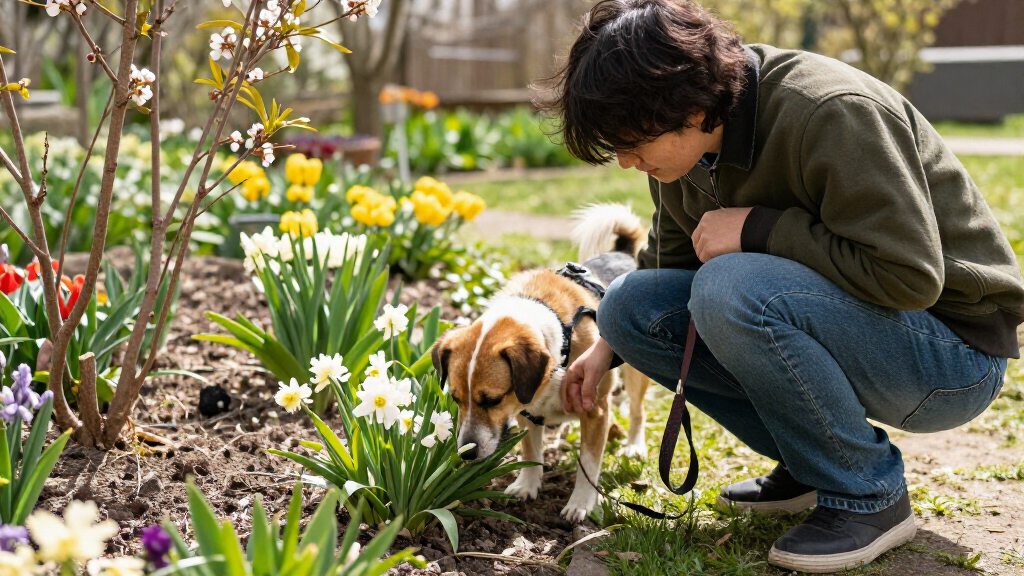
Experts recommend that pet owners keep toxic plants such as daffodils, tulips, and lilies out of reach, as ingestion can cause severe poisoning. Insects like fleas, ticks, and even certain bees become more active, increasing the likelihood of bites and allergic reactions. Chemical exposures from fertilizers, pesticides, and outdoor cleaning agents are also common during spring, and accidental ingestion can lead to serious health problems. Additionally, outdoor hazards such as broken glass, sharp sticks, and hidden holes pose physical risks, especially as pets become more active outside. Finally, some spring foods like certain flowers or plants used in landscaping can be toxic if ingested by pets, adding to the season’s hidden dangers.
Why Spring Hazards Pose Serious Risks to Pets
This season’s hazards can lead to emergency veterinary visits, prolonged health issues, or even fatalities if not properly managed. The American Veterinary Medical Association emphasizes that many of these dangers are preventable through proactive measures. Pet owners who are unaware of these risks may inadvertently expose their pets to harm, which can result in high veterinary costs and emotional distress. Recognizing and mitigating these hazards is crucial for maintaining pet health and safety during the spring months.

Dog First Aid Kit – Vet-Approved Emergency Kit for Dogs & Cats – Essential
- Vet-Approved Emergency Kit: Includes pet-safe medical supplies for emergencies
- Comprehensive First Aid Supplies: Vet-wrap, tick remover, saline wash, and more
- Travel-Ready & Durable: Water-resistant, hard-sided case for outdoor use
As an affiliate, we earn on qualifying purchases.
As an affiliate, we earn on qualifying purchases.
Springtime Risks Increase as Pets Spend More Outdoors
Spring traditionally encourages outdoor activity, which naturally increases pets’ exposure to environmental hazards. Historically, veterinary clinics see a rise in poisoning cases and injuries during this season, partly due to pets exploring more and owners being less vigilant. The presence of blooming plants, insects, and outdoor chemicals peaks in spring, making it a critical period for pet safety awareness. Past incidents have included pets ingesting toxic plants or suffering insect bites, underscoring the importance of seasonal precautions. Experts advise that pet owners review their outdoor spaces and update their safety routines as the weather warms.
“Many pet owners don’t realize how common toxins like lilies or pesticides are during spring, which makes education vital.”
— Jane Doe, pet safety advocate
Unclear Scope of Certain Spring Hazards for Different Pets
While experts agree on the general risks, the specific impact of some hazards varies by pet species, age, and environment. For example, the toxicity level of certain plants or the likelihood of insect bites may differ among dogs, cats, or small animals. Additionally, the effectiveness of various preventative measures is still being studied, and some pet owners may not be fully aware of all risks or how to mitigate them effectively. Ongoing research aims to better define these risks and develop targeted safety recommendations.
Next Steps for Pet Owners to Protect Their Pets This Spring
Veterinarians and pet safety organizations recommend that pet owners review their outdoor spaces, remove or secure toxic plants, and ensure their pets are up-to-date on vaccinations and parasite preventatives. Regularly inspecting outdoor areas for hazards like broken glass or sharp objects is advised. Additionally, pet owners should educate themselves about common spring toxins and keep emergency contact numbers handy. As the season progresses, staying informed through veterinary advice and local pet safety resources will help prevent accidents and health issues.
Key Questions
What are the most common toxic plants for pets in spring?
Common toxic plants include lilies, daffodils, tulips, and hyacinths. Ingesting any part of these plants can cause poisoning, especially in cats and small dogs.
How can I protect my outdoor space from hazards?
Remove or secure sharp objects, broken glass, and debris. Use pet-safe fertilizers and pesticides, and regularly check for holes or hidden dangers that pets might encounter.
Are insect bites dangerous for pets during spring?
Yes, bites from fleas, ticks, and bees can cause allergic reactions, infections, or transmit diseases. Preventative treatments and regular checks are recommended.
What should I do if my pet ingests a toxic plant or chemical?
Contact your veterinarian immediately or call an emergency pet poison helpline. Do not try to induce vomiting unless instructed by a professional.
When should I start taking precautions for spring hazards?
Pet owners should begin preparations early in the season, ideally before outdoor activity peaks, and remain vigilant throughout spring.
Source: rss