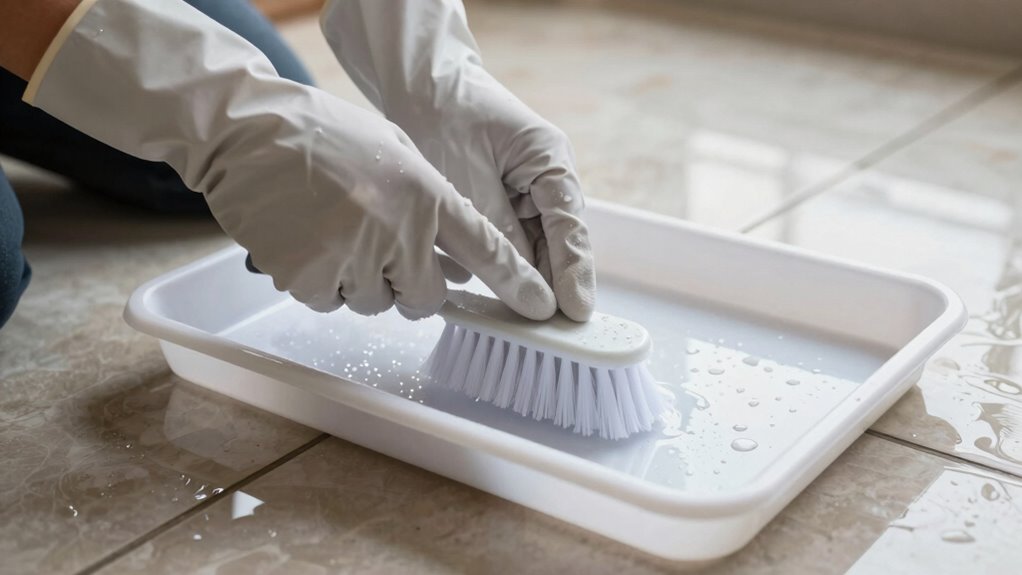

To clean crate trays and floors without causing damage, opt for gentle, pet-safe solutions like diluted white vinegar or baking soda. Use soft brushes or cloths to avoid scratching surfaces and rinse thoroughly. Never use harsh chemicals like bleach or ammonia, as they can harm surfaces and your pet. Regular, careful cleaning helps preserve the surface quality over time. If you want to discover more effective tips, there’s plenty of helpful advice to explore.

Get pet supplies delivered free with Prime
- Fast, free delivery on millions of items
- Prime Video, Amazon Music and more included
- Member-only deals all year
Key Takeaways
- Use soft brushes or cloths to clean surfaces gently, avoiding abrasive tools that cause scratches.
- Opt for pet-safe, eco-friendly cleaners like diluted vinegar or baking soda for effective yet gentle cleaning.
- Rinse surfaces thoroughly after cleaning to remove residues that could harm pets or cause damage.
- Dry thoroughly to prevent moisture buildup that can lead to deterioration or corrosion.
- Schedule regular, gentle deep cleaning to maintain surface integrity and hygiene over time.
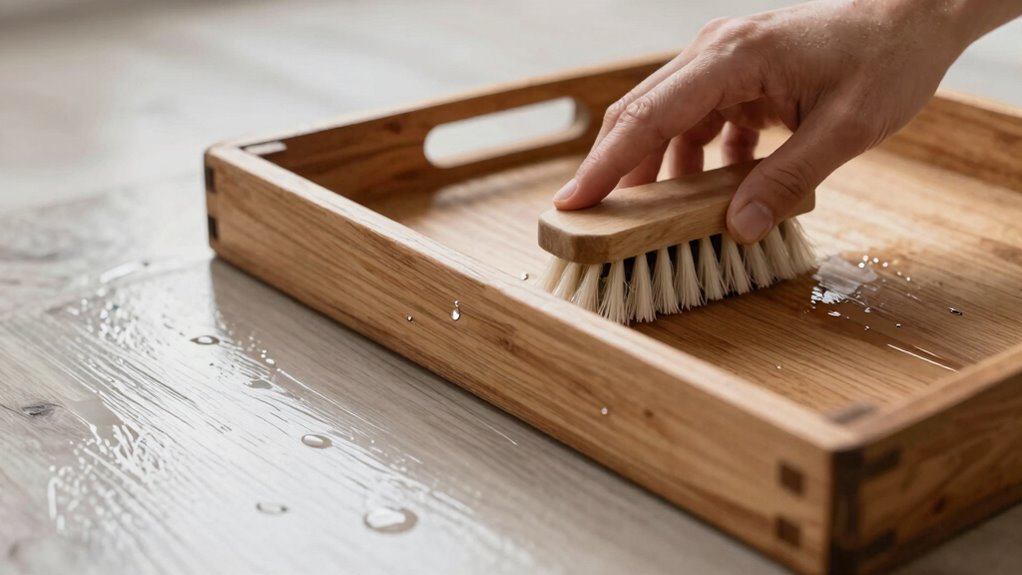
Keeping crate trays and floors clean is vital, but using harsh cleaning methods can easily cause damage. You want to maintain a hygienic environment for your pet without compromising the integrity of the surfaces. That’s where pet safe cleaning comes into play. Opting for gentle, pet-friendly solutions ensures your furry friend stays healthy and safe while you keep their space spotless. Harsh chemicals might kill germs, but they can also cause discoloration, corrosion, or deterioration of crate materials over time. To prevent this, focus on eco friendly solutions that are both effective and safe for your pet and the environment.
Choose gentle, eco-friendly cleaning to protect your pet and surfaces from damage and harmful chemicals.
Start by using natural cleaning agents like white vinegar diluted with water. Vinegar is a powerful, pet-safe disinfectant that helps break down stains and odors without harsh fumes. Mix equal parts vinegar and water, then wipe down the trays and floors with a soft cloth or sponge. For stubborn spots, let the solution sit for a few minutes before scrubbing gently. Baking soda is another eco friendly solution that works wonders. Sprinkle it on the surface, scrub lightly, and rinse thoroughly. Its natural deodorizing properties help keep the crate smelling fresh without relying on artificial fragrances or chemicals. Additionally, understanding surface materials and their specific cleaning needs can help prolong their lifespan and keep your pet safe.
When choosing cleaning products, always read labels carefully. Look for items labeled as pet safe or non-toxic, and avoid anything with ammonia, bleach, or other strong chemicals. Many commercial pet-safe cleaners are formulated to disinfect without damaging surfaces, so these can be a good option if you prefer convenience. Remember, less is more; using too much product can leave residues that may irritate your pet’s skin or paws. Regular maintenance also plays a vital role. Daily quick wipes with a damp cloth can remove dirt and saliva, preventing build-up. Deep cleaning should be done weekly or bi-weekly, depending on how frequently your pet uses the crate. When cleaning, use soft brushes or cloths to avoid scratching delicate surfaces. Always rinse thoroughly to remove any lingering cleaner, then dry the area completely to prevent moisture damage. Proper cleaning techniques can further help in maintaining the surfaces’ integrity and hygiene.
Ultimately, protecting your crate trays and floors requires a thoughtful approach. Prioritize pet safe cleaning and eco friendly solutions that are gentle yet effective. By doing so, you keep your pet comfortable and healthy, while preserving the longevity of your crate. Using the right cleaning techniques not only maintains hygiene but also prevent damage to your surfaces over time. It’s important to remember that consistent, gentle cleaning is key to avoiding surface deterioration. With consistent care, you’ll ensure their space remains clean, safe, and free from damage—all without exposing your furry friend to harmful chemicals.
Products Worth Considering

Shark ZU102 Rotator Pet Upright Vacuum with PowerFins HairPro and Odor Neutralizer, Charcoal

Dyson V8 Plus Cordless Vacuum – cleans hard floors and carpets, detangles, converts to handheld, 115 AW, 2 power modes, up to 40 minutes

Shark Cordless Pet Stick Vacuum IY143H
As an affiliate, we earn on qualifying purchases.
Frequently Asked Questions
Can I Use Bleach to Disinfect Crate Trays?
You can use bleach to disinfect crate trays, but you must follow bleach safety guidelines carefully. Dilute it properly—usually one part bleach to ten parts water—and rinse thoroughly afterward to avoid damage. If you’re concerned about potential harm, consider alternative disinfectants like hydrogen peroxide or commercial pet-safe cleaners. These options can effectively sanitize without risking the integrity of your crate trays or floors.
How Often Should I Clean the Floors and Trays?
You should clean the floors and trays at least once a week for ideal floor maintenance and tray hygiene. Regular cleaning prevents buildup of dirt, bacteria, and odors, ensuring a safe environment. If there’s a spill or heavy dirt, clean immediately. Use gentle, non-abrasive cleaners to avoid damage. Consistent cleaning routines help maintain the longevity of your trays and floors while keeping everything hygienic and safe for animals or workers.
Are There Eco-Friendly Cleaning Options Available?
Yes, there are eco-friendly options that are so gentle, they’re practically magic. You can use biodegradable wipes and natural cleaning solutions that clean deeply without harming your floors or trays. These products break down effortlessly, reducing environmental impact while still getting the job done. It’s like giving your space a spotless shine and the planet a big hug at the same time—clean, green, and totally safe.
What Tools Are Best for Deep Cleaning?
For deep cleaning, use gentle scrubbing with non-abrasive tools like soft-bristled brushes or sponges. These tools effectively remove dirt and grime without scratching or damaging the trays and floors. Avoid harsh steel wool or abrasive pads, which can cause scratches. You might also consider microfiber cloths for a thorough clean. These tools help you achieve a deep clean while keeping your surfaces safe and intact.
How Do I Prevent Scratches During Cleaning?
To prevent scratches during cleaning, you should use gentle scrubbing techniques and opt for soft cloths instead of abrasive materials. Avoid harsh brushes or steel wool, which can damage surfaces. Always test a small, hidden area first to verify compatibility. When cleaning, apply light pressure and use mild cleaning solutions. This careful approach helps preserve the integrity of your crate trays and floors, keeping them looking new longer.
Conclusion
By following these gentle cleaning techniques, you’ll keep your crate trays and floors looking pristine without risking even a tiny scratch. Imagine protecting your space like a fortress—nothing can damage it! Treat your surfaces with care, using soft brushes and mild cleaners, and they’ll reward you with long-lasting beauty and durability. Remember, a little gentle effort goes a long way—your floors and trays will thank you by staying spotless and intact for years to come!