
TL;DR

Get pet supplies delivered free with Prime
- Fast, free delivery on millions of items
- Prime Video, Amazon Music and more included
- Member-only deals all year
Dog grooming clippers vary widely in design, power, and purpose. Choosing the right one depends on your dog’s coat, size, and grooming needs. Proper maintenance and technique make grooming safer and easier.
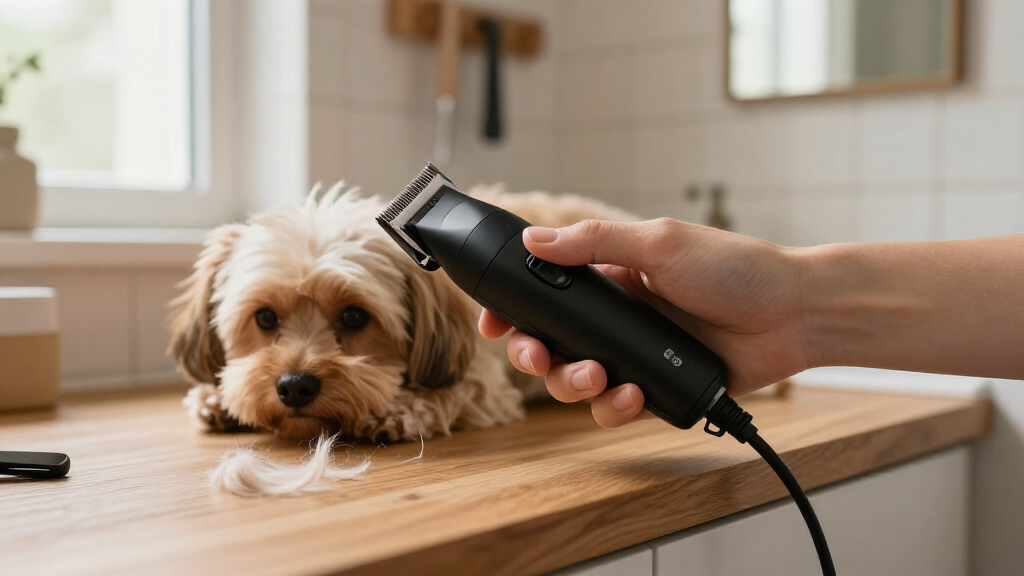
Imagine trying to clip your dog’s thick, curly coat with a dull pair of scissors. Frustration, uneven cuts, and a stressed-out pup. Now, picture a powerful, quiet clipper gliding smoothly through dense fur, making grooming a breeze. Dog grooming clippers aren’t a one-size-fits-all tool. They come in different styles, powers, and features designed for specific coats and grooming routines.
In this guide, you’ll learn the secrets to choosing the right clippers, how to care for them, and tips to make grooming safer and less stressful. Whether you’re a first-timer or a seasoned pro, understanding these essentials will turn grooming from a chore into a quick, comfortable experience for your pup.
Why Not All Clippers Do the Same Job — Know Your Dog’s Needs
Dog grooming clippers are like tools in a toolbox — each is designed for a specific task. Want a tiny trimmer for delicate paws and face? Or a heavy-duty machine for a thick-coated Newfoundland? Knowing the difference saves frustration and money.
Clippers generally fall into three categories:
- Trimmers: Small, quiet, ideal for face, paws, and sanitary trims. Think of them as your finesse tools for detail work.
- Home-grooming clippers: Versatile and manageable for routine clipping on small to medium dogs with manageable coats.
- Professional clippers: Heavy-duty, powerful models built for thick, matted, or large coats. They handle longer grooming sessions without overheating.
Choosing the right type is crucial because mismatched tools can lead to uneven cuts, increased grooming time, and even skin injuries. For example, a lightweight trimmer might be perfect for detailed trimming but would struggle with a dense, matted coat. Conversely, a professional-grade clipper might be too heavy for everyday home use and could cause fatigue or discomfort if used improperly. Understanding your dog’s coat type, size, and grooming frequency helps you select a tool that balances power and comfort, reducing stress for both you and your pet.
dog grooming clippers for thick coats
As an affiliate, we earn on qualifying purchases.
As an affiliate, we earn on qualifying purchases.
Powerful Motor Types — Which One Makes Your Dog’s Coat Happy?
The motor inside your dog clippers is what drives the blades through fur. It’s the heart of performance. Knowing the difference helps you avoid snagging, stalling, or overheating.
Here’s what you need to know:
| Motor Type | Performance | Best For |
|---|---|---|
| Rotary | Strong, versatile, handles thick coats with ease | Professional use, heavy coats |
| Pivot | Good torque at low speeds, gentle on sensitive skin | Light to medium coats, detail work |
| Magnetic | Fast, less torque, suited for softer hair | Fine coats, touch-ups |
| Brushless | Efficient, quiet, long-lasting | Modern, high-end models for extended grooming |
Choosing the right motor type affects the quality, comfort, and safety of grooming. For instance, rotary motors deliver the power needed for thick, dense coats, ensuring blades don’t stall and cuts remain smooth. This reduces grooming time and minimizes skin irritation caused by pulling or uneven cuts. On the other hand, magnetic motors are lighter and often less expensive, making them suitable for short, light grooming sessions or for owners with dogs that have sensitive skin. The tradeoff is they may struggle with dense fur, leading to longer grooming times or the need for multiple passes. Understanding these differences allows you to select a motor that matches your dog’s coat density, grooming frequency, and your comfort level during grooming sessions.
Pick the Right Clipper for Your Dog’s Coat Type — No Guesswork Needed
Not every clipper is suited for every coat. Dense, curly, or double coats demand different tools than fine, short-haired breeds. Ignoring this can make grooming a nightmare.
Consider these factors:
- Coat density and texture: Thick double coats like Huskies need powerful, sharp blades and sturdy motors. Failing to match these can result in prolonged grooming sessions, increased discomfort, and potential skin injuries due to pulling or tugging. Conversely, fine-haired breeds like Chihuahuas require gentler tools to avoid irritation and over-trimming.
- Dog size: Larger dogs with dense fur demand larger, more robust clippers that can handle extended use without overheating, ensuring a safer grooming process. Smaller dogs or those with delicate coats benefit from lighter, more precise tools to prevent accidental cuts and reduce stress.
- Matting and tangles: Severe mats often require specialized blades or professional intervention. Attempting to cut through dense mats with inappropriate tools can cause skin injuries or discomfort. Regular brushing and grooming reduce matting, making routine clipping easier and safer.
- Grooming frequency: Regular maintenance with lighter tools can be sufficient for dogs with manageable coats, but heavy coats or infrequent grooming may necessitate professional-grade equipment. Choosing the right clipper prevents overworking your equipment and minimizes stress for your dog.
For example, shaving a double-coated Labrador for the summer can be beneficial for comfort and hygiene, but doing so improperly can damage the coat’s integrity, leading to issues like sunburn or uneven regrowth. Properly assessing your dog’s coat type and matching it with an appropriate clipper ensures a safer, more effective grooming process that maintains coat health and minimizes stress.
Blade and Guard Combs — Your Control Over Length and Style
Clipping length and style hinge on the blades and guard combs you select. Detachable blades come in numbered sizes, with higher numbers leaving more hair intact. For example, a No. 10 blade cuts down to about 1.5 mm, suitable for a close shave or a very tight clip, which can be ideal for breeds requiring a sleek look or for hygienic trims.
Guard combs slip over blades, leaving longer hair and enabling you to achieve specific lengths or blend different coat textures. They’re essential for creating a uniform appearance or maintaining a certain style. However, it’s important to remember that guards are not foolproof; trying to force a guard through dense mats or tangles can cause discomfort or injury. Proper preparation, like brushing and detangling, ensures safer, more precise cuts.
For instance, using a No. 5 blade with a guard can help shape a tidy, manageable trim for a small terrier, but rushing the process or neglecting to detangle first might result in uneven cuts or skin irritation. Taking the time to understand how blades and guards work together allows you to control the cut length accurately, achieve desired styles, and keep your dog comfortable throughout grooming.
Blade Materials and Maintenance — Keep Them Cool and Sharp
The material your blades are made of impacts their durability and performance. Stainless steel is common, but ceramic blades stay cooler longer — reducing discomfort and the risk of burns. Titanium coatings increase lifespan and reduce friction, which helps prevent overheating during longer grooming sessions. Choosing high-quality materials means less frequent replacements and more consistent cuts, ultimately saving time and reducing stress for your dog.
Maintaining blades is essential because dull or dirty blades pull hair, cause uneven cuts, and can irritate skin. Proper care extends the lifespan of your blades and ensures a smooth grooming experience. After each session, remove hair buildup with a brush or compressed air, apply a few drops of clipper oil to lubricate and reduce friction, and store blades in a dry, safe place. Regularly inspecting blades for rust, misalignment, or dullness allows you to replace or sharpen them before they cause discomfort or damage. Investing in professional sharpening when needed ensures blades stay sharp without risking damage from improper DIY sharpening. Well-maintained blades not only improve grooming safety but also promote healthier coat growth by preventing unnecessary pulling or irritation.
Blade Heat — Avoid Burns and Discomfort
Blades heat up from friction during grooming, especially when used continuously or on dense coats. Excessive heat can cause discomfort or even burns on your dog’s sensitive skin, leading to pain and potential skin infections. Recognizing when a blade is too hot is critical to maintaining safety. An easy way to check is to feel the blade against your wrist periodically; if it feels warm or hot, it’s time to cool it down.
Prevent overheating by regularly checking the blade temperature, changing to a cooled spare blade, and using cooling sprays designed for clippers. These sprays help dissipate heat and reduce friction, extending the life of your blades. Additionally, removing trapped hair from the blades and applying lubricant reduces heat buildup. Taking breaks during grooming, especially on larger or thick-coated dogs, allows blades to cool and prevents discomfort or injuries. Overheating blades can cause cuts or burns that are painful and can lead to infections, so always prioritize blade temperature management to ensure a safe grooming experience.
Getting Ready: How to Prepare Your Dog for a Safe, Stress-Free Groom
Proper prep makes all the difference. Always wash, dry, and thoroughly brush your dog before clipping. Dirt, loose hair, and mats dull blades, increase resistance, and can cause pulling or skin injuries. A clean coat reduces grooming time and enhances safety, leading to a more comfortable experience for your dog.
Imagine trying to clip a muddy, tangled coat — it’s a recipe for frustration and potential injury. Removing loose hair, detangling mats, and ensuring the coat is dry and straight not only makes grooming easier but also minimizes the risk of skin irritation or accidental cuts. Severely matted areas should be handled by a professional or veterinarian, as attempting to cut through dense mats with improper tools can cause skin injuries or pain. For routine trims, starting with a clean, dry, and brushed coat ensures your clippers work efficiently and reduces stress for your pet. Proper preparation also allows you to detect any skin issues or abnormalities beforehand, preventing aggravation during grooming.
Master Your Technique — Move the Clipper Right for Safety and Comfort
The way you move your clipper impacts safety and results. Using smooth, taut strokes over flat, clean skin minimizes pulling and uneven cuts. Pressing too hard or rushing can cause discomfort or accidental cuts, especially around sensitive areas like ears, lips, and genitals. Proper technique involves gentle, controlled motions that follow the natural lines of your dog’s body, maintaining consistent blade contact without forcing or tugging.
Visualize guiding the clipper like a brush — steady, gentle, and controlled. Never force the blades beneath mats blindly; instead, carefully detangle or trim with scissors first. Using slow, deliberate movements ensures precision and reduces the chance of injury. For example, running the clipper along the back with your dog standing on a non-slip surface provides stability and control, making the process safer and more comfortable for your pet. Developing good technique not only improves the quality of the cut but also builds your dog’s trust and reduces grooming-related stress.
Noise, Vibration, and Handling — Making Grooming Less Stressful
Dogs can be sensitive to loud noises and vibrations, making grooming stressful and sometimes impossible without proper acclimation. Low-noise clippers help, but comfort depends heavily on how you introduce and handle the tool. Gradual desensitization, positive reinforcement, and patience are key to reducing anxiety.
Start by letting your dog sniff and hear the switched-off clipper, associating it with positive experiences. Gently feel the vibrations on your hand before moving onto the dog’s coat. Reward calm behavior with treats and praise, gradually increasing exposure time. Short, positive sessions build trust and reduce fear, making grooming a cooperative experience. For particularly nervous dogs, consider using calming sprays or pheromone diffusers. Never force a struggling dog; forcing can increase stress and lead to injury or behavioral issues. Creating a calm environment and slow introduction to the grooming process ensures a more relaxed, less stressful experience for your pet.
Corded vs. Cordless Clippers — Which Fits Your Grooming Style?
Corded clippers provide constant power, making them ideal for long or intensive grooming sessions. They’re reliable and can handle thick coats without concern for battery life, but their cord can restrict movement and become cumbersome, especially when grooming a wiggly or nervous dog. Cordless models offer freedom of movement, allowing you to reach tricky spots and groom in more flexible environments, which can reduce stress for both you and your dog.
Some professional models combine both features—cordless operation with a corded backup—giving you versatility. When choosing, consider your typical grooming sessions: if you often groom large, thick-coated dogs, a corded model might be more dependable. For quick touch-ups, or if your dog is especially anxious, cordless might be preferable. Battery life, charge time, weight, and ease of handling are critical factors. Balancing these aspects ensures you select a tool that fits your grooming style and your dog’s comfort, making grooming more efficient and less stressful.
Keep Your Clippers Sharp and Cool — The Secret to Perfect Cuts
Regular maintenance is key to consistent, safe grooming. After each session, turn off and unplug your clipper, then remove hair and debris from the blades using a brush or compressed air. Applying a few drops of clipper oil before and after grooming reduces friction, prevents overheating, and keeps blades running smoothly. Proper lubrication minimizes blade wear and prevents dullness, which can cause pulling or uneven cuts, leading to discomfort for your dog.
Inspect blades regularly for signs of rust, misalignment, or dullness. Replacing blades or having them professionally sharpened when needed ensures optimal performance. Proper storage—preferably in a dry, safe place—prevents corrosion and damage. Investing time in routine maintenance extends the life of your equipment, minimizes the risk of injury, and ensures a safer, more comfortable grooming experience for your dog. Remember, a well-maintained clipper is a key ingredient in achieving professional-quality grooming results at home.
Latest Innovations — What’s New in Dog Clipper Tech?
Recent tech advancements focus on convenience and comfort. Brushless motors offer quieter, more efficient operation, reducing noise-related stress. Lithium-ion batteries provide longer runtimes and faster charging, enabling longer grooming sessions without interruption. Features like digital displays, multiple speeds, waterproof designs, and integrated vacuums are becoming standard, making grooming more efficient and less messy.
For instance, some models now include built-in vacuums that collect hair as you trim, drastically reducing cleanup time. Lightweight, ergonomic designs help reduce hand fatigue during extended grooming, making it easier for owners to achieve professional results. These innovations are driven by the desire to make grooming less stressful for dogs and more manageable for owners, especially those with busy schedules or dogs prone to anxiety. Staying informed about these advancements helps you select tools that enhance your grooming experience and provide your dog with a more comfortable, stress-free session.
What Should You Look for When Buying Dog Clippers?
Choosing the right clippers depends on several factors. Matching your dog’s coat type, size, and grooming frequency with the tool’s features ensures efficiency and safety. A powerful motor with adjustable speeds provides flexibility for different coat densities and styles, while compatible blades and easy-to-clean systems streamline maintenance. Consider whether you prefer corded or cordless operation based on your grooming environment and your dog’s temperament. Battery life, quick-charging capabilities, and weight influence how comfortable and convenient the grooming process will be.
Additional considerations include ease of cleaning, blade temperature management, warranty, and after-sales support. Investing in a quality machine with reputable parts and service support minimizes downtime and enhances safety. Budget models may seem attractive initially but often lack durability or spare parts, leading to frustration and potential safety issues. A high-quality, well-designed clipper with features like adjustable speeds, robust blades, and ergonomic handling will serve you better in the long run, providing safer, more comfortable grooming for your dog and peace of mind for you.
Your Top Questions About Dog Grooming Clippers Answered
Can I use human clippers on my dog? Human clippers are generally not designed for thick pet coats. They often lack the power, blade durability, and cooling features necessary for canine grooming, which can lead to overheating, pulling hair, or uneven cuts. Using tools not intended for pets increases the risk of discomfort, injury, and even skin infections. Therefore, investing in dog-specific clippers ensures safety, efficiency, and a more comfortable experience for your pet.
What’s the best clipper for thick or matted coats? A powerful, professional-grade model with detachable blades and high torque is essential. These tools are designed to handle dense fur and severe mats, often with features like heavy-duty motors and sharp blades. Attempting to use weaker or inappropriate equipment on matted coats can cause pain, skin injuries, or further matting if not handled properly. Severe mats should be addressed by a professional groomer or veterinarian to prevent skin damage and ensure safe removal.
Are cordless clippers powerful enough? Many modern cordless clippers are capable of handling full grooming routines, especially those with high strokes per minute and long-lasting batteries. However, performance varies across brands and models. Cheaper or lower-end cordless units may struggle with dense coats or extended sessions, leading to overheating or reduced battery life. Investing in a high-quality cordless clipper with a robust motor and good battery capacity ensures effective grooming without the tether of a cord, offering convenience and mobility.
Why are my clippers pulling hair? Pulling often results from dull blades, improper lubrication, or hair that is dirty or tangled. When blades are dull or dirty, they fail to cut smoothly, causing resistance and discomfort. Inadequate lubrication increases friction and heat, leading to snagging or pulling. Regular maintenance, including cleaning, oiling, and replacing blades when dull, prevents this problem. Properly preparing the coat by brushing out tangles also reduces resistance and ensures a smooth grooming experience.
How often should blades be oiled? Follow your manufacturer’s recommendations, but generally, blades should be oiled before each grooming session and periodically during longer sessions. Proper lubrication reduces friction, prevents overheating, and maintains blade sharpness. Regular oiling extends the lifespan of your blades and ensures consistent performance, making grooming safer and more comfortable for your dog.
Should I clip wet or dry? Most clippers perform best on dry, clean coats. Wet clipping can cause blades to clog, overheat, and lead to uneven cuts. Additionally, moisture can promote rust and bacterial growth if blades are not dried properly afterward. Dry coats allow for more precise, clean cuts and reduce the risk of skin irritation or injury. For best results, ensure your dog’s coat is thoroughly dried and detangled before clipping.
Can clippers remove mats? They can, but it’s risky. Cutting through dense mats with clippers can cause skin injuries or pain if not done carefully. Severe mats are best handled by a professional groomer or veterinarian, who can safely remove them with specialized tools or techniques. Attempting to cut mats at home without proper experience may lead to cuts, skin irritation, or increased stress for your dog. Regular grooming, brushing, and preventive care are the best strategies to minimize matting and simplify clipping.
What length blade should I choose? The ideal blade length depends on the desired style and coat type. For beginners, starting with a longer blade that leaves more coat intact offers safety and flexibility. Refer to the manufacturer’s length guide, which indicates how much hair each blade leaves behind. Choosing the appropriate length ensures a balanced, natural look and prevents over-trimming or skin irritation. Adjusting blade choice based on the area being groomed and your dog’s comfort is essential for professional-looking results.
How short is too short? Cutting too close to the skin can cause irritation, sunburn, or uneven coat regrowth. Breed-specific guidelines provide a safe reference, but generally, avoiding blades that cut within 1 mm of the skin reduces risks. Always consider your dog’s skin sensitivity, coat condition, and the grooming purpose. Using a guard or longer blade for sensitive areas minimizes discomfort and injury, promoting healthier coat regrowth and overall comfort.
How often should I groom? Regular grooming every 4-8 weeks maintains coat health, reduces matting, and keeps your dog comfortable. Daily brushing helps manage loose hair and prevents tangles, making clipping easier and quicker. Consistent grooming routines also allow early detection of skin issues, parasites, or abnormalities, ensuring your dog’s well-being. Adjust frequency based on coat type, activity level, and breed-specific needs to optimize comfort and health.
Any tips to keep my dog calm? Use gradual desensitization, treats, and gentle handling to build trust. Start with short sessions and positive reinforcement. Familiarize your dog with grooming tools gradually, rewarding calm behavior at each step. Using calming sprays or pheromone diffusers can also help reduce anxiety. Never force grooming on a fearful or aggressive dog; patience and consistency are key. A calm, relaxed dog results in safer grooming sessions and better outcomes.
Can I sharpen blades myself? It’s best left to professionals, as improper sharpening can damage blades or cause injury. Professional sharpening services use specialized equipment to restore blades accurately, ensuring safe and effective grooming. Attempting DIY sharpening with abrasive tools may misalign blades or create rough edges, increasing the risk of cuts or uneven grooming. Investing in professional sharpening extends your blades’ lifespan and maintains grooming quality.
How long do clippers last? With proper care, high-quality clippers can last several years. Regular maintenance, proper storage, and timely replacement of consumables like blades and batteries prolong their lifespan. However, components such as batteries may need replacement sooner, especially with frequent use. Properly servicing your equipment ensures consistent performance, safety, and cost-effectiveness over time.
Do low-noise clippers really help? They can reduce stress, but the dog’s temperament and handling are more critical factors. Introducing grooming gradually, using positive reinforcement, and creating a calm environment are essential. Low-noise models minimize startling sounds, making the process more tolerable for sensitive dogs. However, even with quiet clippers, patience and gentle handling are vital for a successful grooming experience.
When should I see a professional groomer? For severe mats, skin issues, or breed-specific styles beyond your skill level, professional help ensures safety and quality. Professional groomers have specialized tools and experience to handle challenging situations without causing discomfort or injury. Regular visits can also prevent issues from worsening, maintaining your dog’s health and appearance.
Conclusion
Choosing the right dog grooming clippers is about matching power, design, and features to your dog’s unique coat and temperament. When equipped with the right tools and proper technique, grooming becomes quicker, safer, and less stressful for your furry friend.
Next time you pick up those clippers, remember — a calm, prepared approach and good maintenance turn grooming from a chore into a bonding moment. Your dog will thank you with a shiny, healthy coat and a wagging tail.
Fall Picks
fall essentials
As an affiliate, we earn on qualifying purchases.