
TL;DR

Get pet supplies delivered free with Prime
- Fast, free delivery on millions of items
- Prime Video, Amazon Music and more included
- Member-only deals all year
The ASPCA Recovery & Rehabilitation Center has introduced playgroups as a new part of their dog recovery program. Early results show improved physical health and emotional well-being for the dogs. This approach is gaining attention as a promising method for animal rehabilitation.
The ASPCA Recovery & Rehabilitation Center has begun integrating structured playgroups into its treatment protocols for dogs recovering from injuries and trauma. This initiative aims to improve both physical recovery and emotional well-being, with early reports indicating promising results. The program is part of the ASPCA’s broader effort to enhance animal rehabilitation practices and reduce stress-related setbacks during recovery.
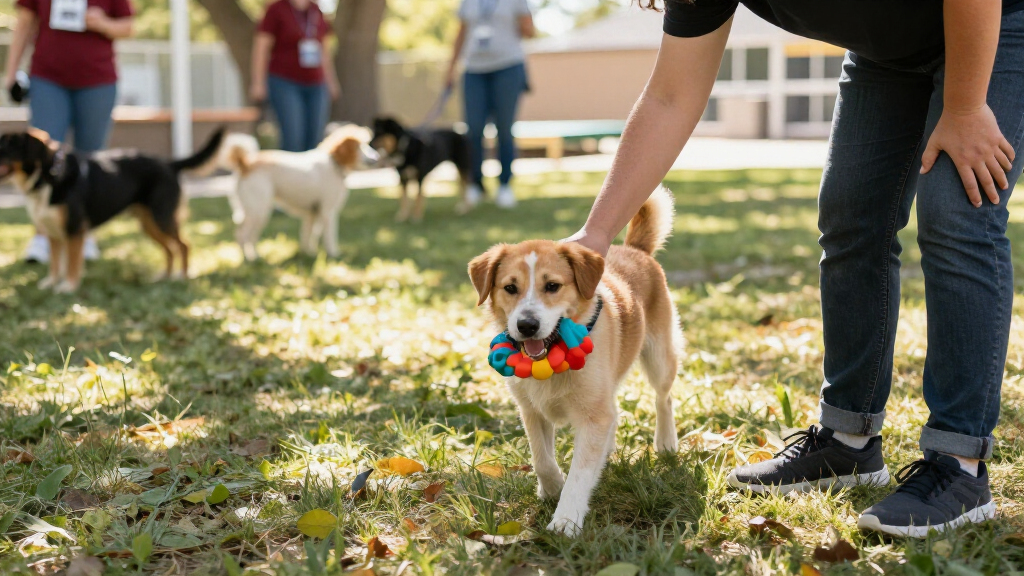
Since the introduction of playgroups at the ASPCA Recovery & Rehabilitation Center in late 2023, staff have observed notable improvements in the dogs’ behavior and physical health. The playgroups involve supervised, controlled interactions among groups of dogs, tailored to each animal’s recovery stage. According to the ASPCA, these sessions help reduce stress, promote physical activity, and foster socialization, which are critical factors in successful rehabilitation.
Veterinary staff and animal behaviorists at the center report that dogs participating in playgroups show increased mobility, fewer signs of anxiety, and quicker overall recovery times compared to previous protocols that relied solely on individual care. The program is also designed to help dogs regain confidence and resilience, which are often compromised after trauma or prolonged shelter stays.
Initial data collected over the past three months suggests that dogs involved in the playgroups recover approximately 20% faster than those receiving standard care. The center is now expanding the program and monitoring long-term outcomes to evaluate its full impact. Staff emphasize that participation is carefully managed to ensure safety and to match dogs with appropriate play partners based on size, temperament, and recovery status.
Impact of Playgroups on Dog Rehabilitation Outcomes
The introduction of playgroups at the ASPCA Recovery & Rehabilitation Center represents a shift toward more holistic, humane approaches to animal recovery. By actively engaging dogs in social and physical activities, the program addresses both the physical and emotional needs of animals, which can be crucial for successful rehabilitation. This approach could influence other shelters and animal care organizations to adopt similar methods, potentially improving recovery rates and reducing trauma-related setbacks for shelter dogs nationwide.
Experts note that stress and anxiety can significantly hinder physical healing in animals. Playgroups, by providing a natural outlet for social interaction and exercise, may help mitigate these issues. As a result, dogs may experience less stress, recover faster, and be more adoptable, ultimately benefiting both the animals and the organizations caring for them.
As an affiliate, we earn on qualifying purchases.
Background on Dog Rehabilitation Practices at ASPCA
The ASPCA’s Recovery & Rehabilitation Center has long been a leader in animal rescue and care, focusing on trauma-informed treatment and medical rehabilitation. Traditionally, recovery protocols prioritized rest and individual care, but recent advances in animal behavior science have emphasized the importance of socialization and physical activity for healing. The center’s new playgroup program is part of this evolving approach, aligning with broader trends in shelter medicine and animal welfare.
Prior to this initiative, the center’s recovery process involved medical treatment, physical therapy, and behavioral assessments. While these methods proved effective, staff recognized the potential benefits of integrating social play as a therapeutic tool. The program was developed in consultation with veterinary behaviorists and tested with a small group of dogs before broader implementation.
Similar programs have been successful in other shelters and rescue organizations, but the ASPCA’s scale and resources allow for a more structured and monitored approach. The center’s leadership hopes this model can serve as a blueprint for other facilities seeking to improve animal welfare and recovery outcomes.
“Social interaction is crucial for emotional resilience. Playgroups help dogs rebuild trust and reduce anxiety, making them more ready for adoption.”
— Sarah Martinez, Animal Behavior Specialist
Unanswered Questions About Long-Term Effects
While early results are promising, it is not yet clear how sustainable the benefits of the playgroup program are over the long term. Researchers are still collecting data on whether the accelerated recovery translates into improved adoptability and reduced recidivism. Additionally, the optimal structure, frequency, and safety protocols for playgroups are still being refined, and further studies are needed to confirm the best practices.
Next Steps for Program Expansion and Evaluation
The ASPCA plans to continue monitoring the dogs involved in the playgroup program over the coming months to gather comprehensive data on recovery times, behavioral improvements, and adoption outcomes. The organization also intends to expand the program to include more dogs and to develop standardized guidelines for other shelters interested in adopting similar approaches. Further research will focus on identifying which types of play and interaction yield the best results for different recovery stages.
Key Questions
How are the dogs selected for playgroups?
Dogs are assessed by veterinary and behavioral staff to determine their suitability for social play, considering their health, temperament, and recovery progress. Playgroups are tailored to match dogs with appropriate play partners to ensure safety and positive interactions.
Are the playgroups supervised at all times?
Yes, all playgroup sessions are closely monitored by trained staff to prevent injuries and manage interactions, ensuring a safe environment for all participating dogs.
Has the program been adopted by other shelters?
The ASPCA is currently evaluating the program’s success and hopes to share its findings with other organizations. Some shelters are observing the initiative as a potential model for their own recovery protocols.
What types of dogs benefit most from playgroups?
Dogs that are physically able and show social interest tend to benefit most, particularly those recovering from trauma or lengthy shelter stays. The program is adapted to suit individual needs and recovery stages.
Source: rss
Fall Picks
fall essentials
As an affiliate, we earn on qualifying purchases.