To prevent rub marks and skin irritation from smart collars, make certain they fit snugly but aren’t too tight—two fingers should slide comfortably beneath. Regularly check for signs of redness or discomfort, and clean the collar with gentle methods to avoid buildup. Limit continuous wear, especially for sensitive skin, by giving your pet breaks during the day. Choosing materials like hypoallergenic fabrics also helps. If you’d like tips to keep your pet comfortable, you’ll find helpful advice ahead.

Get pet supplies delivered free with Prime
- Fast, free delivery on millions of items
- Prime Video, Amazon Music and more included
- Member-only deals all year
Key Takeaways
- Ensure smart collars fit snugly with two fingers’ space to prevent friction and chafing.
- Regularly inspect and clean collars to remove dirt, debris, and prevent irritation buildup.
- Choose hypoallergenic, breathable materials like silicone or organic cotton to reduce skin contact issues.
- Limit continuous collar wear and incorporate breaks during play or rest to allow skin recovery.
- Monitor your pet for signs of irritation, adjusting collar fit and wear time promptly to prevent rub marks.
As an affiliate, we earn on qualifying purchases.
What Causes Skin Irritation From Pet Collars?
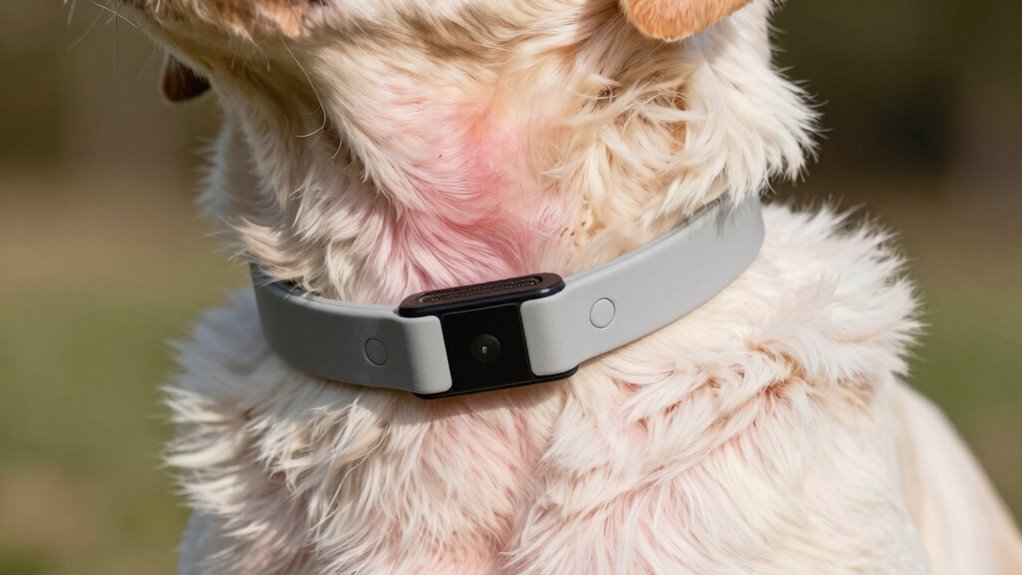
Skin irritation from pet collars often occurs when the collar causes friction or pressure on your pet’s skin, leading to redness, soreness, or discomfort. Allergic reactions to materials like certain plastics or dyes can also cause inflammation and itching. Collar pressure is a common culprit, especially if the collar fits too tightly or shifts frequently, rubbing against sensitive areas. Continuous friction irritates the skin, breaking down the outer layer and allowing bacteria to enter. Some pets may be more prone to irritation due to allergies or sensitive skin. Recognizing these causes helps you prevent discomfort by choosing collars made from hypoallergenic materials and ensuring proper fit. Proper material quality in collar materials can also reduce the likelihood of skin reactions. Being aware of collar pressure and material sensitivities is key to avoiding skin problems in your furry friend. Additionally, regular inspection and cleaning of collars help minimize irritation caused by dirt and bacteria buildup. Using gap-sealing products can also help reduce friction and protect your pet’s skin from irritation.
How to Fit Your Pet’s Collar for Comfort and Safety
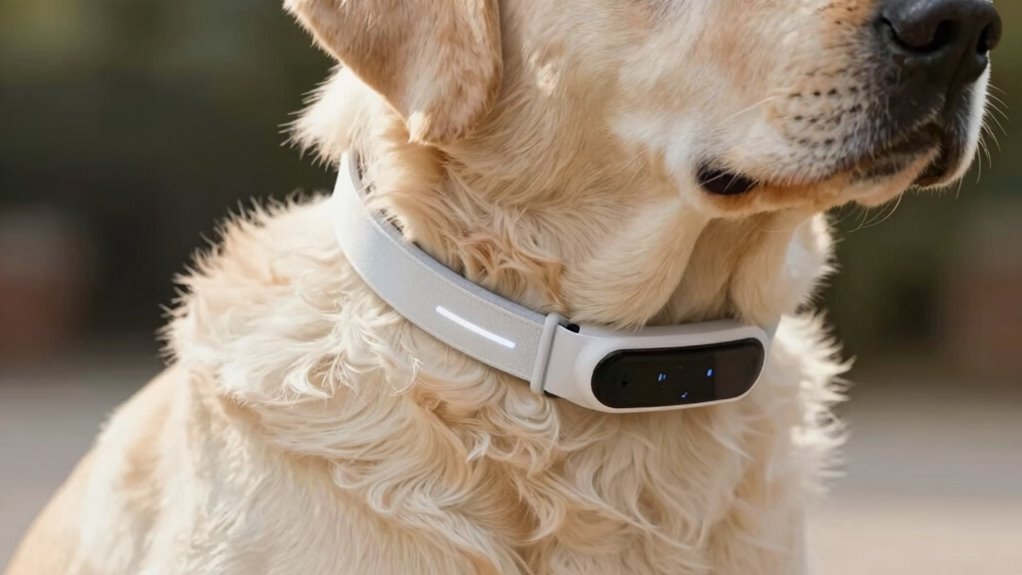
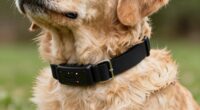
A properly fitted collar keeps your pet comfortable and safe. You should be able to slide two fingers between the collar and your pet’s neck without difficulty. Watch for signs like redness or irritation, which indicate the collar may be too tight. Ensuring your pet’s collar is properly adjusted helps prevent skin irritation and rub marks. Additionally, regularly inspecting the cabling and mounting hardware used with collars or harnesses can prevent discomfort caused by frayed or improperly secured equipment. Proper collar fit and hardware maintenance are essential for maintaining your pet’s comfort and safety, especially considering the importance of preventing skin irritation in collar design. Incorporating traditional craftsmanship techniques can also ensure the collar is both comfortable and durable for your pet.
Proper Fit for Comfort
Have you ever wondered if your pet’s collar fits properly? Ensuring a comfortable fit involves more than just size. The collar design should match your pet’s breed and activity level to prevent discomfort or skin irritation. Check that the collar isn’t too tight, which can cause rub marks, or too loose, risking slipping off. Consider these factors for pet comfort:
- Proper collar width for your pet’s size
- Adjustable straps for a snug fit
- Lightweight materials to reduce strain
- Smooth edges to prevent skin irritation
A well-designed collar promotes pet comfort and safety. When fitted correctly, it stays secure without restricting movement or breathing. Using proper fitting techniques can help prevent skin issues and ensure your pet’s comfort throughout the day. Remember, a properly fitted collar is key to preventing skin issues and ensuring your pet feels comfortable throughout the day. Proper fit is also essential in preventing skin irritation, which can lead to discomfort or infection. Paying attention to collar material can further reduce the risk of skin irritation and enhance your pet’s overall comfort. Additionally, selecting collars with adjustable features allows for better customization as your pet grows or as seasons change.
Signs of an Ill-Fitted Collar
Since an ill-fitted collar can quickly cause discomfort or skin irritation, recognizing the signs early is vital. Look for redness, swelling, or hair loss around your pet’s neck—these are clear indicators of a poorly fitted collar. If the collar is too tight, it may cause irritation and restrict movement, while a loose collar can slip off or cause chafing. Pay attention to collar aesthetics; a well-fitting collar sits comfortably without digging in or hanging too low. Even if your pet’s collar is fashionable and aligns with pet fashion trends, comfort should always come first. Regularly check the fit, ensuring you can fit two fingers between the collar and your pet’s neck. Proper fit keeps your pet safe, comfortable, and looking sharp. Toxin-free environments are essential to prevent skin issues and ensure your pet’s overall safety.
Recognizing Signs of Collar Rashes or Discomfort
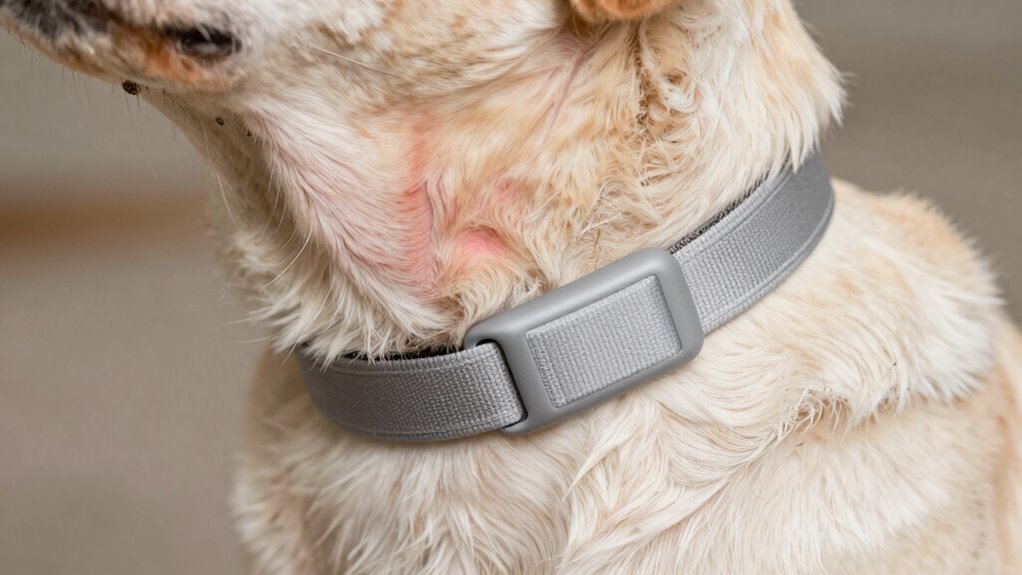
Noticing signs of collar discomfort early can make all the difference in preventing more serious skin issues. Look for redness, swelling, or hair loss around your pet’s neck—these are common indicators of collar rashes. You might also notice your pet scratching or rubbing the area excessively, signaling irritation. Keep an eye out for persistent foul odors or skin sores, which suggest ongoing discomfort. To prevent future problems, consider allergy testing to identify specific sensitivities and opt for collar customization options that reduce friction points. Regular inspection helps catch issues early, and adjusting the fit or material can make a big difference. For example, choosing hypoallergenic collar materials can significantly reduce the risk of irritation. Additionally, understanding allergy testing procedures can help pinpoint sensitivities more accurately. Being aware of skin irritation signs enables prompt intervention, reducing the likelihood of more serious conditions. Adopting a routine of preventative care can also help maintain your pet’s skin health and comfort. Remember, being attentive now can save your pet from painful skin conditions down the road. Supporting Caregivers’ Emotional Well-Being
How to Clean and Maintain Your Pet’s Smart Collar
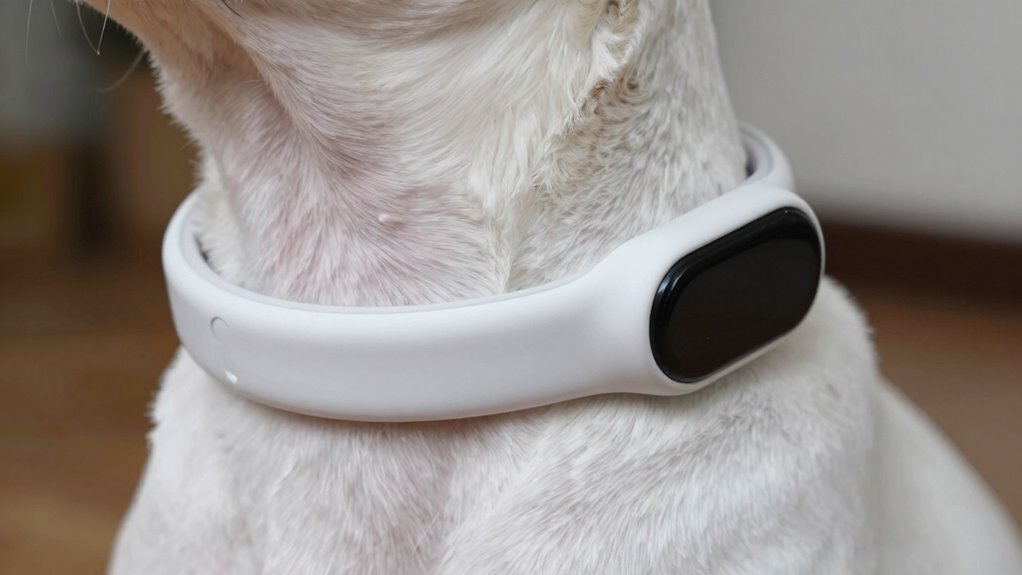
Regularly cleaning your pet’s smart collar is essential to keep it functioning properly and prevent skin irritation. Use a soft, damp cloth to wipe down the collar, avoiding harsh chemicals that could damage the electronics. For deeper cleaning, remove any removable parts and wash them gently with mild soap. Regular maintenance ensures the collar stays in good condition, supporting collar customization options and helping your pet stay aligned with current pet fashion trends. Inspect the collar for signs of wear or dirt buildup that could lead to discomfort. Keeping it clean also extends its lifespan and maintains its stylish appearance. Proper maintenance is crucial for ensuring the collar remains safe and comfortable for your pet. Additionally, following manufacturer guidelines can help prevent damage and preserve the collar’s features. Remember, a well-maintained collar not only looks great but also keeps your pet comfortable and safe. Proper puppy-proofing of the collar area can further prevent accidents or damage, especially considering the importance of electronic components in smart collars. Regularly checking for skin irritation can help catch issues early and ensure your pet’s comfort.
How Long Should Your Pet Wear the Collar? Tips for Breaks and Duration
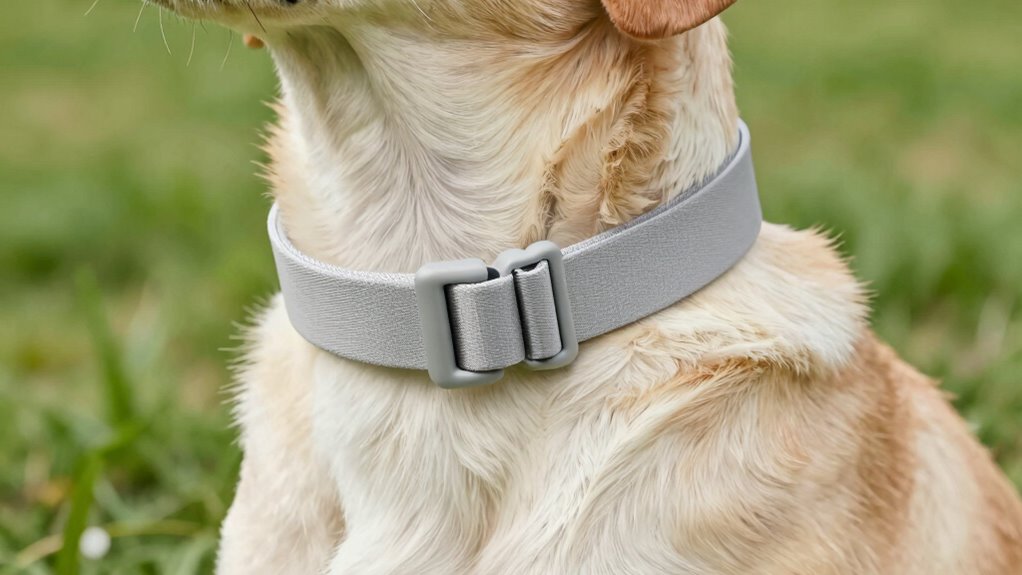
Keeping your pet’s smart collar clean and well-maintained helps guarantee it functions properly and prevents skin irritation. To avoid discomfort, establish a collar removal schedule that gives your pet’s skin a break. Limit continuous wear to a few hours daily, especially if your pet has sensitive skin. Keep in mind pet activity restrictions—avoid letting your pet chew or scratch the collar excessively. Regularly check for signs of irritation or rub marks. Use these tips to determine how long your pet should wear the collar:
Regularly check and give your pet breaks to keep their collar comfortable and irritation-free.
- Remove the collar during rest periods or when unsupervised
- Give your pet at least 2-3 hours off daily
- Adjust wear time based on skin condition
- Incorporate breaks during active playtime to prevent skin issues
- Proper collar maintenance is essential for preventing irritation and ensuring your pet’s comfort. Additionally, understanding skin sensitivity can help tailor the collar wear schedule to your pet’s specific needs. Being aware of skin irritation signs enables prompt action to protect your pet’s comfort and health. Regularly inspecting the collar and your pet’s skin can help catch issues early, especially if you are aware of allergic reactions common in pets.
Choosing Collar Materials for Sensitive Skin

When selecting a collar for sensitive skin, opt for hypoallergenic materials that diminish irritation. Breathable fabrics help keep your pet comfortable and prevent moisture buildup. Prioritizing these options ensures your pet stays comfortable and safe.
Hypoallergenic Material Options
Choosing the right collar material is crucial if your pet has sensitive skin. Opting for hypoallergenic materials can markedly reduce irritation and support allergy prevention. Look for collars made from gentle, skin-friendly fabrics that won’t cause allergic reactions.
Consider options like:
- Silicone, which is soft and non-reactive
- Organic cotton, naturally hypoallergenic and breathable
- Bamboo fabric, antimicrobial and gentle on skin
- Neoprene, lightweight and resistant to allergens
These materials help prevent rub marks and skin inflammation, making your pet more comfortable. Always check labels and product descriptions to ensure the collar is designed with allergy prevention in mind. Selecting hypoallergenic options is a simple but essential step toward keeping your pet comfortable and irritation-free.
Breathable Fabric Choices
Since breathable fabrics allow air to circulate around your pet’s skin, they help prevent moisture buildup and reduce the risk of irritation. Choosing collar materials with good fabric breathability ensures your pet stays comfortable, especially if they have sensitive skin. Look for collars made from lightweight, natural fibers like cotton or mesh, which promote airflow and wick away sweat. Avoid synthetic fabrics that trap heat and moisture, increasing the chance of rub marks and discomfort. Prioritizing collar comfort through breathable fabric choices helps maintain healthy skin and prevents skin irritation over time. By selecting collars with better fabric breathability, you support your pet’s overall comfort and reduce the likelihood of skin issues caused by trapped moisture and heat.
When to See a Veterinarian for Collar Skin Problems

Ignoring signs of collar skin irritation can lead to worsening discomfort or infection, so it’s important to recognize when professional help is needed. If your pet’s skin shows persistent redness, swelling, or open sores, it’s time to consult a veterinarian. Also, if irritation doesn’t improve after adjusting collar fit or switching to collar design innovation, seek expert advice. Watch for signs of discomfort such as scratching or licking the area excessively. Keep in mind that poor pet nutrition can weaken skin health, making irritation worse. Additionally, a vet can recommend collar materials that minimize irritation. If you notice a foul odor or the skin becomes crusted, don’t delay—these could indicate infection. Early intervention helps prevent more serious issues and ensures your pet stays comfortable and healthy.
Frequently Asked Questions
Can Smart Collars Interfere With My Pet’s Allergy Medications?
Smart collars generally don’t interfere with your pet’s allergy medication. However, you should monitor for collar interference, especially if your pet has sensitive skin or allergies. If you notice any reactions or changes in medication effectiveness, consult your vet. It’s always best to verify the collar fits properly and check for any signs of irritation, so your pet stays comfortable while on allergy medication.
Are There Specific Smart Collar Features to Prevent Skin Irritation?
Yes, look for smart collars with soft, hypoallergenic collar material to reduce skin irritation. Additionally, adjustable fit options help you guarantee the collar isn’t too tight or loose, preventing rub marks. Regularly checking and adjusting the fit keeps your pet comfortable and minimizes skin issues. Choosing a collar with these features helps protect your pet’s skin while still providing the benefits of smart technology.
How Does Humidity Affect Collar Skin Irritation Risks?
Humidity effects can increase your pet’s risk of skin irritation from a smart collar. When humidity is high, skin moisture builds up, creating a damp environment that fosters irritation and rash development. Conversely, low humidity can dry out your pet’s skin, making it more prone to chafing. To prevent issues, regularly check your pet’s skin, keep the collar clean, and adjust wear time based on the humidity levels in your environment.
Can Adjustable Smart Collars Reduce the Chance of Rub Marks?
Adjustable smart collars are like tailored suits—they easily fit your pet’s unique shape, reducing rub marks. By choosing collars with adjustable fit and soft, breathable collar materials, you can minimize skin irritation. When you guarantee a proper fit, the collar stays comfortably in place without chafing, decreasing the chances of rub marks developing. Regular adjustments and quality materials make a noticeable difference in your pet’s comfort and skin health.
What Are the Best Practices for Transitioning to a New Collar?
When shifting to a new collar, make certain collar fitting is snug but comfortable, avoiding tightness that could cause irritation. You should make a gradual adjustment, gradually increasing the collar’s tightness over several days, allowing your pet to adapt comfortably. Check frequently for signs of discomfort or skin irritation. Proper fitting and gradual adjustment help prevent rub marks and skin irritation, keeping your pet happy and comfortable during the change.
Conclusion
To keep your pet comfortable and free from skin irritation, regular checks and proper collar fitting are key. Did you know that nearly 60% of pet owners overlook collar fit, unknowingly causing discomfort? By choosing the right materials, cleaning regularly, and giving your pet breaks, you can prevent rub marks before they start. Stay attentive to signs of irritation and consult your vet if needed—your pet’s comfort and health depend on it.
Halloween Picks
halloween
As an affiliate, we earn on qualifying purchases.