To manage your puppy’s energy levels, tailor exercise to their breed and age. High-energy breeds like Border Collies or retrievers need longer, intense activities such as fetch or agility, while calmer breeds require shorter, more frequent sessions. Incorporate play, training, and rest into daily routines for balance. Proper exercise prevents hyperactivity and destructive behaviors. Stay consistent, and you’ll create a well-behaved, happy adult. If you keep exploring, you’ll discover more ways to keep your pup energized and balanced.
Key Takeaways
- Tailor exercise routines to your puppy’s breed and age to meet their energy needs appropriately.
- Incorporate both mental and physical activities for high-energy breeds to tire them out effectively.
- Use crate training and structured play to manage energy and promote calm behavior.
- Gradually increase exposure to new environments and stimuli as your puppy becomes more comfortable.
- Consistently balance play, training, and rest to develop good habits and prevent hyperactivity.
Puppies are naturally energetic and curious, which can make managing their activity levels challenging for new owners. They often have boundless enthusiasm, eager to explore their surroundings and interact with anything within reach. To help your puppy grow into a well-behaved adult, it’s essential to balance their need for activity with proper training and socialization. One of the first steps is puppy socialization, which involves exposing your puppy to different people, animals, sights, and sounds in a positive way. This process not only helps reduce future behavioral issues but also tires them out mentally, making them less likely to become hyperactive indoors. During socialization sessions, ensure the environment is safe and controlled, gradually increasing exposure as your puppy becomes more comfortable.
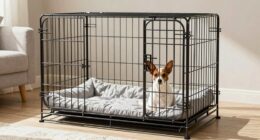
Alongside socialization, crate training plays a crucial role in managing your puppy’s energy levels. A crate provides a safe space where your puppy can rest and calm down after play sessions. It also helps establish boundaries and teaches self-control, which are vital for managing their activity levels. When introducing the crate, make it a positive experience by offering treats, toys, and praise, so your puppy views it as a cozy retreat rather than a punishment. As they become accustomed to the crate, it helps prevent destructive behaviors driven by excess energy and gives you a reliable tool to manage their activity throughout the day.
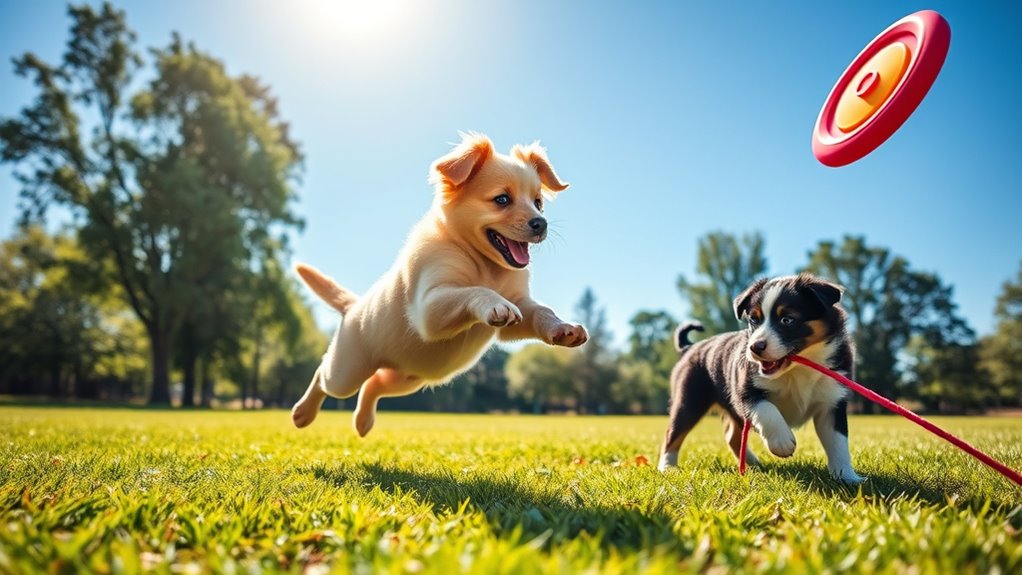
Incorporating structured play and exercise routines tailored to your puppy’s breed and age is key. Some breeds are naturally more energetic and require longer or more intense exercise sessions, while others may be content with shorter, more frequent activities. For example, high-energy breeds like Border Collies or retrievers benefit from activities like fetch, agility, or obedience training, which can tire them out mentally and physically. Conversely, smaller or more sedate breeds may need less vigorous exercise but still require regular playtime to burn off energy. Consistency is essential—establish daily routines that include play, training, and rest periods to help your puppy develop good habits.

JMMPOO Dog Agility Training Equipment, 60-Piece Dog Obstacle Course Training Starter Kit Pet Outdoor Game with Tunnel, Agility Hurdle, Weave Poles, Jump Ring, Pause Box, Toy Balls and Storage Bag
UNIQUE & HEALTH: Running, jumping, playing, and most of exercising for maximum dog agility. Whether training for competition…
As an affiliate, we earn on qualifying purchases.
As an affiliate, we earn on qualifying purchases.
Frequently Asked Questions
How Do I Identify My Puppy’s Specific Energy Needs?
To identify your puppy’s specific energy needs, observe their behavior and activity levels during play and rest. Notice how long they stay active before tiring. Incorporate puppy nutrition info to make certain they’re fueled properly. Use socialization techniques to gauge how they respond to new environments and interactions. Adjust playtime and training sessions accordingly, providing enough exercise to keep them happy without overexertion, tailored to their unique energy levels.
What Are Signs My Puppy Is Overexercised?
You’ll notice signs of puppy fatigue, like heavy panting, lagging behind during walks, or reluctance to continue playing. If your puppy shows decreased enthusiasm or seems overly tired after playtime, these are clear signs they’re overexercised. Pay attention to any limping or whimpering, and give them ample rest. Monitoring these playtime signs helps prevent exhaustion and keeps your puppy healthy and happy.
How Can I Manage Energy Levels During Bad Weather?
When bad weather hits, you can still keep your puppy active by setting up indoor agility courses and using puzzle toys. These activities help burn off excess energy without needing outdoor space. It might seem tricky at first, but with a little creativity, your pup stays mentally and physically stimulated. Plus, these options prevent boredom and destructive behavior, ensuring your puppy’s energy stays manageable even when outdoor play isn’t possible.
Are There Breed-Specific Activities to Reduce Excess Energy?
Yes, breed-specific activities help diminish your puppy’s excess energy through exercise customization. For example, if you have a Border Collie, engage in intense agility or fetch games, while a Bulldog benefits from calmer activities like puzzle toys or short walks. Tailoring activities to your pup’s breed ensures they stay mentally and physically stimulated, preventing boredom and destructive behaviors, especially during bad weather when outdoor exercise isn’t possible.
When Should I Start Introducing Mental Stimulation Exercises?
Imagine opening a door to a world of discovery for your puppy. You should start introducing mental stimulation exercises as early as 8 weeks, blending them with puppy socialization and crate training tips. This early start helps build confidence, sharpens their mind, and fosters good behavior. By engaging their curiosity now, you prepare them for a well-rounded, happy adult dog, ready to explore and learn.

MidWest Homes for Pets 30-Inch iCrate for Medium Breeds, 21-40 lbs, Single Door Folding Dog Crate with Divider Panel, Leak-Proof Tray & Secure Latch, Portable, Durable & Easy to Assemble
IDEAL FOR 21-40 LB DOGS: Measures 30.5 x 19.25 x 21.5 inches – perfect for French Bulldogs, Welsh…
As an affiliate, we earn on qualifying purchases.
As an affiliate, we earn on qualifying purchases.
Conclusion
By understanding your puppy’s breed-specific energy needs, you can keep them happy and healthy. Did you know that puppies require up to five minutes of exercise per month of age daily? This simple guideline helps prevent overexertion and promotes proper development. So, tailor your playtime accordingly, and enjoy watching your puppy grow into a well-adjusted, energetic companion. Managing their energy now sets the stage for a lifetime of joyful, healthy adventures together.

SilveWillo Interactive Electric Automatic Rolling Moving USB Rechargeable Self Activated Play Stimulation Toy Smart Chase Teaser Ball with Rope for Bored Adult Indoor Kitten & Cat and Puppy & Dog, Red
Engaging Playtime: The interactive cat ball toy is designed to keep your pet busy and entertained while stimulating…
As an affiliate, we earn on qualifying purchases.
As an affiliate, we earn on qualifying purchases.
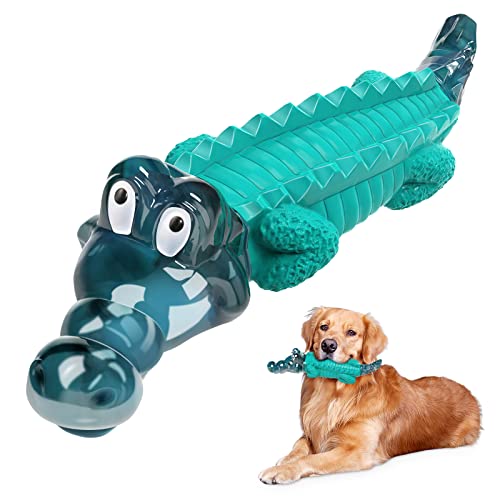
Jeefome Dog Toys for Aggressive Chewers – Tough,Indestructible Dog Chew Toys for Large, Medium,Small Breed to Keep Them Busy
DOG TOYS FOR AGGRESSIVE CHEWERS: Are you looking long lasting dog toys? This tough dog toys might be…
As an affiliate, we earn on qualifying purchases.
As an affiliate, we earn on qualifying purchases.