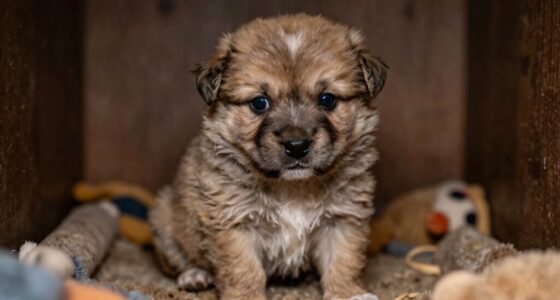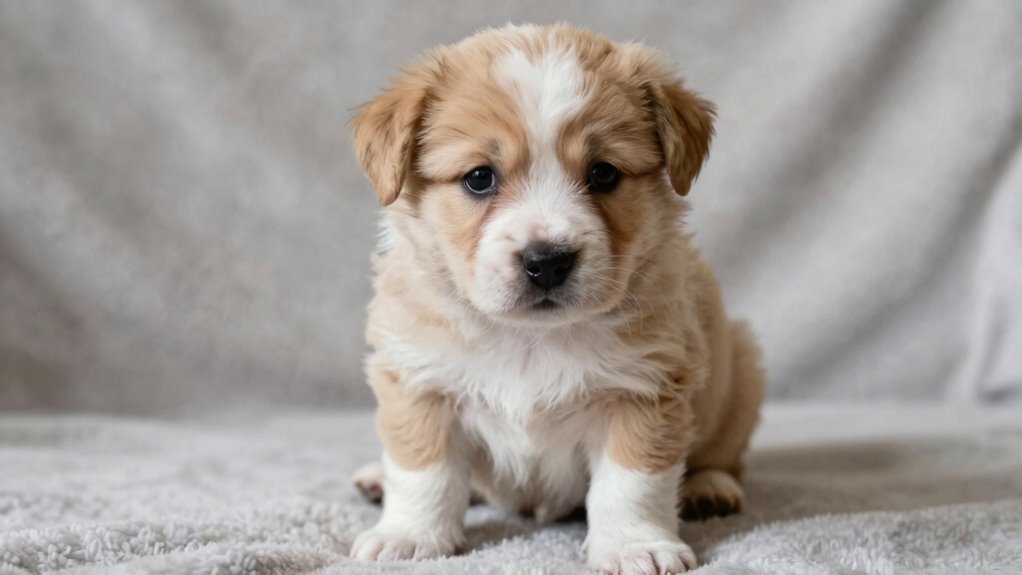

Between 8 and 16 weeks, your puppy hits important milestones like starting leash training, crate training, and developing their personality. They begin gaining independence and understanding boundaries, while socialization helps prevent future behavioral issues. You’ll notice natural behaviors like teething and exploring their environment. Supporting these phases with patience and positive reinforcement builds your puppy’s confidence. Keep watching their progress, as understanding these milestones helps you nurture a happy, well-adjusted dog.

Get pet supplies delivered free — and shop member deals
- Fast, free delivery on millions of items
- Access to Prime Big Deal Days deals on October 6–7
- Prime Video, Amazon Music and more included
Key Takeaways
- Puppies begin leash training and crate training, developing independence and understanding boundaries.
- Socialization with people and other animals is crucial to prevent future behavioral issues.
- They start to show distinct personality traits and preferences, gaining confidence or shyness.
- Physical growth continues rapidly, with weight gain and coordination improving.
- Natural behaviors like chewing and exploring are common and should be guided appropriately.

Bringing home a new puppy is an exciting experience filled with rapid growth and development. As you watch your puppy explore their new world, it’s helpful to understand what milestones are normal during this lively phase. One of the earliest and most noticeable stages is the teething phases, which typically begin around three to four months of age. During this time, your puppy will start to lose their baby teeth and grow adult teeth, leading to increased chewing behavior. Don’t be alarmed if your puppy gnaws on furniture, shoes, or your fingers; it’s a natural part of teething. Providing appropriate chew toys can help soothe their gums and redirect their chewing instincts. As they progress through these teething phases, you’ll notice their desire to chew gradually diminishes once their adult teeth settle in. Recognizing these natural developmental stages can also help you support your puppy’s healthy growth.
Another crucial period in your puppy’s early development is the socialization periods. This stage usually occurs between 3 and 14 weeks of age and is essential for shaping their behavior and temperament. During this time, your puppy is especially receptive to meeting new people, other animals, and experiencing different environments. Proper socialization helps prevent future behavioral issues and builds confidence. You should aim to introduce your puppy to a variety of safe experiences, always ensuring they’re comfortable and not overwhelmed. Positive reinforcement plays a key role, so reward your puppy for calm and friendly interactions. By actively socializing your puppy during these periods, you’re laying the foundation for a well-adjusted adult dog. Understanding the importance of timely socialization can significantly influence their long-term behavior. Additionally, being aware of developmental stages can help you better interpret your puppy’s behaviors and needs during this formative time. It’s also beneficial to familiarize yourself with common behavioral signs so you can address any issues early on.
Throughout these early stages, consistent routines and gentle guidance can significantly influence your puppy’s behavioral development. In the first few months, you’ll also see your puppy reach other milestones like learning to walk on a leash, beginning crate training, and developing their personality traits. These are normal signs that they’re gaining independence and understanding boundaries. Keep in mind that each puppy develops at their own pace, so some may hit milestones slightly earlier or later. Patience and positive reinforcement will help your puppy feel secure and confident as they navigate these stages. Remember, their growth isn’t just physical; their emotional and social development is just as important. Providing a safe, loving environment and understanding these key phases will support your puppy’s healthy growth and help you enjoy every adorable, sometimes messy, moment.
As an affiliate, we earn on qualifying purchases.
Frequently Asked Questions
When Should I Start Crate Training My Puppy?
You should start crate training your puppy around 8 to 10 weeks old, once they’ve settled in and are comfortable with their environment. During crate training, focus on puppy nutrition to keep them healthy and energetic, and incorporate puppy grooming to get them used to handling. Keep training sessions positive and short, gradually increasing time in the crate, ensuring your puppy feels safe and secure.
How Can I Tell if My Puppy Is Teething?
Think of your puppy’s mouth like a construction zone—teething is the active phase. You’ll notice puppy dental health signs like drooling, chewing on furniture, or biting everything. They might seem uncomfortable, showing teething discomfort by whining or being more irritable. Keep an eye out for swollen gums or redness. Providing safe teething toys can ease discomfort, making this stage smoother for your pup and protecting their dental health.
What Are Signs of a Healthy Puppy?
You can tell your puppy is healthy if it has shiny coat, clear eyes, and steady energy levels. Good puppy nutrition supports growth and immune health, while breed-specific traits influence behavior and physical features. Watch for normal eating, drinking, and grooming habits. A healthy puppy also maintains a good weight, has no signs of illness like diarrhea or coughing, and responds happily to interaction, showing overall vigor.
How Often Should I Feed My Puppy?
You should feed your puppy three to four times a day, depending on their age, to support proper puppy nutrition. Establish a consistent feeding schedule to help your puppy develop a routine and prevent overeating. As they grow, gradually reduce feedings to twice daily. Always provide fresh water and choose high-quality puppy food to guarantee they’re getting the nutrients needed for healthy growth and development.
When Should I Begin Socializing My Puppy?
You should start socializing your puppy between 3 and 14 weeks of age. Imagine a puppy named Max who enjoys puppy play and meets new people; early socialization helps him become confident. Use socialization tips like gentle exposure to different environments, sounds, and friendly dogs. This early start fosters positive experiences, ensuring your pup grows up well-adjusted and comfortable in diverse situations.
Conclusion
As your puppy blossoms from a tiny bud into a full-fledged member of the pack, remember that each milestone is a brushstroke in the vibrant painting of their growth. Patience and love are your guiding stars through this colorful journey. Embrace the chaos and cherish the quiet moments—they’re the delicate threads weaving your shared story. Soon, your puppy’s transformation will be a masterpiece, a proof to the beautiful adventure you’ve begun on together.
Fall Picks
fall essentials
As an affiliate, we earn on qualifying purchases.