To protect your puppy, start vaccinations around 6-8 weeks with core shots like distemper, parvovirus, adenovirus, and rabies. Booster doses follow every few weeks until about 16 weeks old. Non-core vaccines, such as leptospirosis or Bordetella, depend on your puppy’s lifestyle. Consistent scheduling and vet guidance are key to ensuring your pup stays healthy and safe. Keep exploring to learn more about a well-planned vaccination timeline.
Key Takeaways
- Core vaccines typically start at 6-8 weeks, including distemper, parvovirus, adenovirus, and rabies.
- Booster shots are given every 3-4 weeks until the puppy is around 16 weeks old.
- Non-core vaccines like leptospirosis or Bordetella depend on your puppy’s lifestyle and location.
- Regular veterinary visits ensure proper timing and effectiveness of vaccinations.
- Proper vaccine storage and adherence to the schedule are essential for optimal protection.
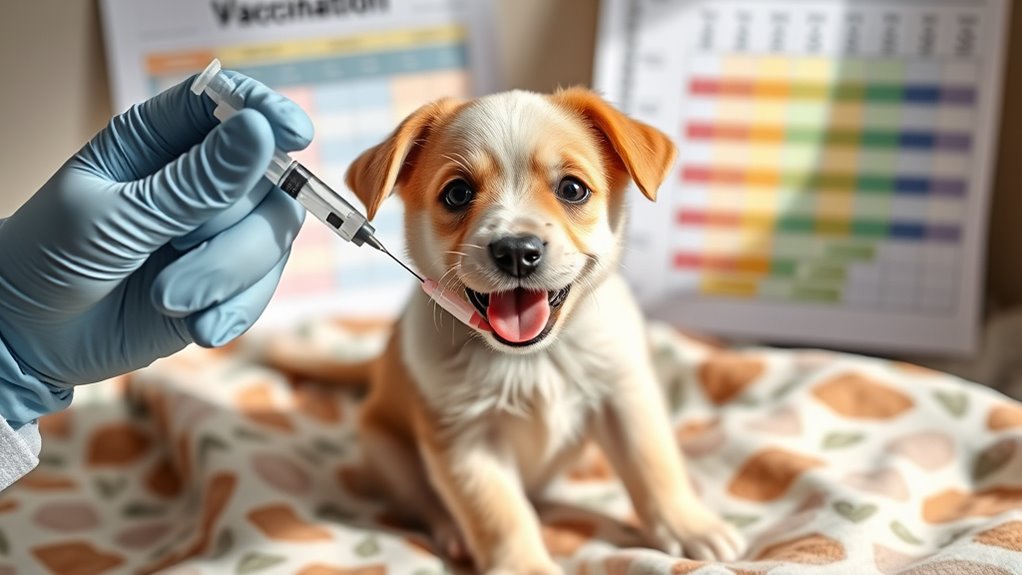
Starting your puppy’s vaccination schedule early is essential to protect them from common, potentially serious diseases. This proactive approach not only shields your puppy from illnesses but also promotes overall health and well-being. As part of this early care, you should also focus on worm prevention. Puppies are particularly vulnerable to intestinal parasites, which can cause discomfort, nutritional deficiencies, and even more severe health problems if left untreated. Regular deworming, alongside vaccinations, helps keep parasites at bay and guarantees your puppy stays healthy. Talk to your veterinarian about an appropriate deworming schedule, which often begins as early as two weeks of age and continues every few weeks until they’re a few months old. This helps eliminate existing worms and prevents new infestations, supporting your puppy’s growth and immune development.
Early vaccination and regular deworming are vital for your puppy’s health and immune development.
In addition to worm prevention, dietary supplements can play a critical role during your puppy’s early months. A balanced diet is fundamental, but supplements like omega-3 fatty acids can boost brain development and coat health, while probiotics support digestion and immune function. Your vet can recommend the right supplements tailored to your puppy’s specific needs. Incorporating these into their diet can enhance their resilience against diseases and promote a healthy appetite, which is crucial during growth phases. Remember, though, that supplements should complement a high-quality puppy food, not replace it. Proper nutrition, including appropriate dietary supplements, strengthens your puppy’s immune system, making their vaccination responses more effective and long-lasting. Additionally, understanding the importance of proper vaccine storage ensures the effectiveness of the immunizations you administer, safeguarding your puppy’s health.
When it comes to vaccinations, your puppy will typically start receiving core shots around six to eight weeks old. These usually include vaccines for distemper, parvovirus, adenovirus, and rabies. After the initial shots, your puppy will need booster doses every few weeks, usually until they’re about 16 weeks old. Non-core vaccines, such as those for leptospirosis or Bordetella, may be recommended based on your lifestyle and geographic location. It’s essential to follow your veterinarian’s guidance to guarantee your puppy receives all necessary vaccinations at the right times. Doing so not only prevents disease but also helps establish a strong foundation for your puppy’s lifelong health.
Throughout this process, maintaining regular veterinary visits is key. Your vet will monitor your puppy’s response to vaccines, check for parasites, and provide personalized advice about worm prevention and dietary supplements. By staying consistent with vaccinations and supportive care, you’re giving your puppy the best start in life, ensuring they grow into a healthy, happy dog ready to face the world.
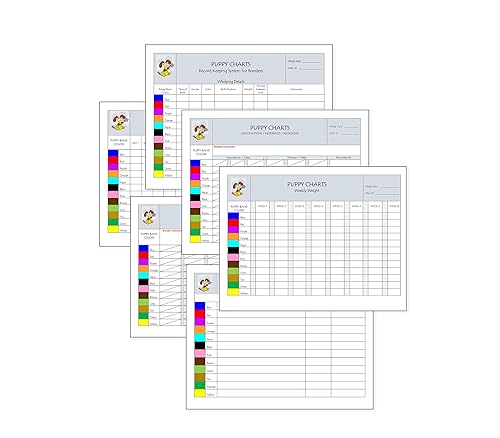
Record Keeping Charts for Breeders
Record keeping system for Breeders of puppies and other small animals
As an affiliate, we earn on qualifying purchases.
As an affiliate, we earn on qualifying purchases.
Frequently Asked Questions
Are There Any Side Effects From Puppy Vaccinations?
You might notice some vaccination risks or vaccine reactions in your puppy, like mild swelling, soreness, or lethargy, usually lasting a day or two. Serious side effects are rare but can include allergic reactions or fever. Keep an eye on your puppy after vaccinations, and if you see persistent or severe symptoms, contact your vet promptly. Most puppies recover quickly, and the benefits of vaccination far outweigh the risks.
Can I Delay My Puppy’s Vaccination Schedule?
Around 90% of puppies develop immunity when vaccinations follow the recommended schedule. You can delay your puppy’s vaccination schedule, but it’s not advisable because delayed immunization can leave your pup vulnerable to serious diseases. Proper vaccine timing guarantees your puppy develops strong immunity at the right time. Consult your veterinarian before making any changes; they’ll help you weigh the risks and benefits of delaying vaccines.
What Should I Do if My Puppy Misses a Shot?
If your puppy misses a shot, contact your vet promptly to discuss vaccination scheduling flexibility and the potential puppy vaccination risks. They might recommend rescheduling the missed vaccination or administering a booster to ensure your puppy stays protected. Don’t delay, as missing shots can leave your puppy vulnerable. Follow your vet’s guidance closely to keep your puppy safe and maintain an effective vaccination schedule.
Are There Any Vaccines My Puppy Doesn’t Need?
You might wonder if your puppy needs all vaccines; some may not be essential depending on your location and lifestyle. Talk to your vet about vaccine alternatives and whether natural immunity could be sufficient for certain diseases. While core vaccines are recommended, non-core vaccines might be optional. Your vet can help you decide what’s best for your puppy’s health, balancing protection with potential risks.
How Do I Prepare My Puppy for Vaccinations?
To prepare your puppy for vaccinations, start with gentle puppy training to build trust, and schedule socialization tips to make certain positive experiences. Keep your puppy calm and comfortable by bringing familiar items, and avoid stressful environments. Consult your vet beforehand to discuss the vaccination plan. Proper socialization helps your puppy stay relaxed during appointments, and positive reinforcement encourages good behavior, making future visits easier for both of you.

IRIS USA Dog Food Storage Container with Wheels, Airtight Lid, 2-Cup Scoop, Up to 40 Pounds Pet Food Storage, Built in Scoop Storage in Lid, Versatile Pet Food Bin, Portable, BPA Free, Gray/Dark Gray
VERSATILE STORAGE BIN: Ideal for dry food storage for cats, dogs, birds, and other pets. This pet food…
As an affiliate, we earn on qualifying purchases.
As an affiliate, we earn on qualifying purchases.
Conclusion
By following this vaccination schedule, you’re giving your puppy the best chance at a healthy life. For example, imagine a puppy named Max who received all his shots on time; he’s now thriving and less prone to illnesses. Staying consistent with vaccinations not only protects your furry friend but also ensures peace of mind for you. So, keep track, stay proactive, and watch your puppy grow into a happy, healthy companion.

Durvet 12-Pack Triple Wormer Tablets for Puppies and Small Dogs
Easy and convenient Chewable
As an affiliate, we earn on qualifying purchases.
As an affiliate, we earn on qualifying purchases.
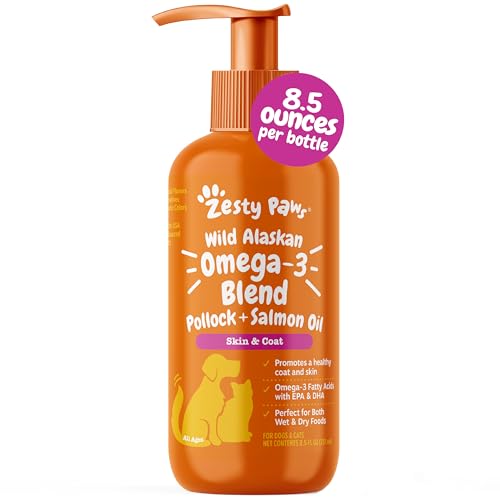
Zesty Paws Wild Alaskan Omega-3 Blend Pollock + Salmon Oil for Dogs and Cats- Skin and Coat Support, Omega 3 Supplement for Pets, 8.5oz
SKIN & COAT NOURISHMENT: Fish oil for dogs and cat like Wild Alaskan Salmon Oil provides omega-3 fatty…
As an affiliate, we earn on qualifying purchases.
As an affiliate, we earn on qualifying purchases.