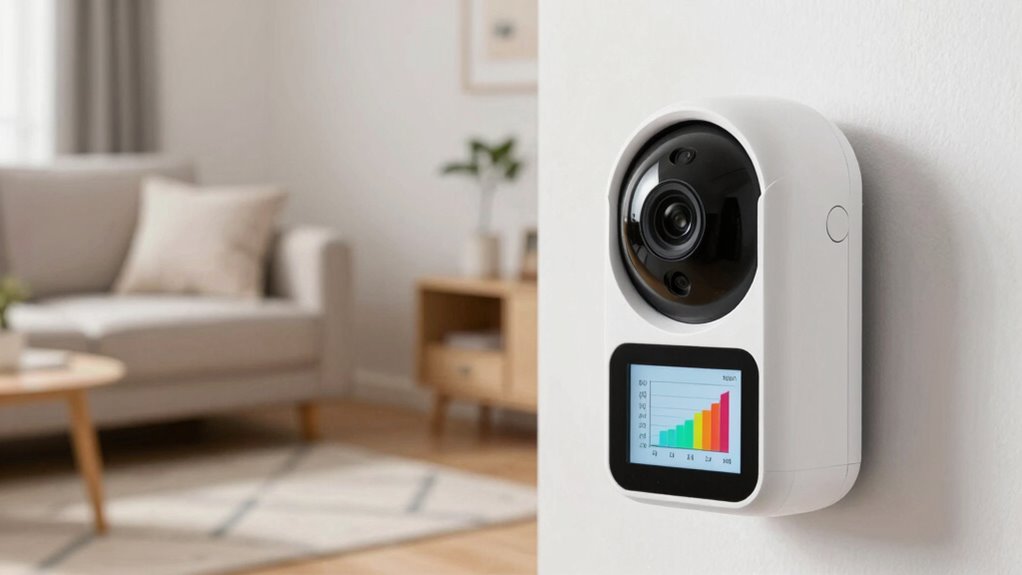

Relying only on bark counts from monitoring devices can be misleading because it doesn’t show why or when your dog is barking. Normal activities like play can spike the numbers, while stressful situations might go unnoticed. Technology struggles to interpret emotional cues and environmental triggers, so it often misses the full story. For a clearer picture of your dog’s behavior, understanding the context is essential—stick around to discover what else you should consider.

Get pet supplies delivered free with Prime
- Fast, free delivery on millions of items
- Prime Video, Amazon Music and more included
- Member-only deals all year
Key Takeaways
- Bark count doesn’t reveal the reason or emotional state behind the barking behavior.
- Environmental and contextual factors significantly influence barking patterns, which technology alone can’t interpret.
- Devices may produce false positives due to background noise, limiting accuracy.
- Barking is often accompanied by body language and cues that technology cannot detect.
- A comprehensive understanding requires combining technological data with direct behavioral observation.

Bark monitoring technology has become an essential tool for dog owners and trainers seeking to understand and manage canine behavior more effectively. Many devices focus on counting barks, assuming that a higher bark count indicates stress, excitement, or behavioral issues. However, relying solely on bark count can be misleading. To truly grasp what your dog is experiencing, you need to look beyond simple numbers and explore behavior analysis. While these devices can provide useful data, they also have significant technological limitations that can hinder accurate interpretation.
Bark count alone can be misleading; understanding your dog’s behavior requires context and comprehensive observation beyond technology.
Bark counts alone don’t tell you why your dog is barking or what triggers the behavior. For example, a dog might bark frequently during playtime, which is normal, or during a stressful situation, which might require further attention. Without context, a high bark count could be mistaken for problematic behavior when it’s actually a healthy response. To better understand your dog’s needs, you need to analyze the circumstances surrounding the barking—such as time of day, environmental triggers, or emotional state. This behavior analysis helps you develop more effective training strategies and address underlying issues, rather than just reacting to the number of barks. Recognizing the importance of contextual understanding is crucial in interpreting barking behavior accurately.
Another vital aspect to examine is the technological limitations of current bark monitoring devices. Many of these gadgets rely on sound detection algorithms that can be fooled by background noise or other sounds that resemble barking. For instance, a busy street or a loud TV can cause false positives, making the bark count unreliable. Additionally, some devices lack the sophistication to differentiate between types of barking, such as alert barking versus anxious barking. This means that simply counting barks doesn’t provide a complete picture of your dog’s emotional state or behavioral patterns. Understanding the accuracy of technology is essential for trusting the data these devices provide.
Furthermore, these devices often don’t incorporate other important behavioral cues like body language, posture, or facial expressions. Without this all-encompassing approach, your understanding of your dog’s behavior remains superficial. Technology can assist, but it doesn’t replace the nuanced insights gained through direct observation and behavior analysis. Relying solely on bark count can lead you to misinterpret your dog’s needs, possibly resulting in unnecessary corrections or misunderstandings. Recognizing the technological limitations of these devices is crucial for making informed decisions about your dog’s well-being. Considering behavioral context alongside technological data can significantly improve how effectively you respond to your dog’s needs.
As an affiliate, we earn on qualifying purchases.
Frequently Asked Questions
How Accurate Are Bark Monitoring Devices in Different Environments?
Bark monitoring devices’ accuracy varies with environments. Noise interference from other sounds can cause false readings, so your device’s placement and settings matter. Proper device calibration is essential; if not calibrated correctly, it might misinterpret noise or other sounds as barking. In noisy or complex environments, expect some inaccuracies. Regularly calibrate and minimize background noise to improve reliability, ensuring you get the most accurate bark detection possible.
Can Bark Monitoring Tech Distinguish Between Types of Barking?
Bark monitoring tech struggles to distinguish between types of barking, even with breed differentiation and noise filtering. While some devices attempt to analyze bark patterns, they often misinterpret excited or anxious barking as different types. Noise filtering helps reduce false alerts, but it doesn’t fully enable the tech to accurately categorize bark types. You still need to interpret the data cautiously, as technology isn’t yet advanced enough to reliably differentiate between various barking reasons.
Do These Devices Work Equally Well for All Dog Breeds?
Think of bark monitoring tech as a one-size-fits-all hat—rarely perfect for every dog. These devices often struggle with breed-specific behaviors and cross-breed compatibility, meaning they might not accurately interpret barking patterns across different breeds. Smaller or highly vocal breeds could trigger false alarms, while larger, quieter dogs might go unnoticed. So, their effectiveness varies, and you may need to take breed traits into account when choosing a monitoring device.
How Does Weather Affect Bark Monitoring Accuracy?
Weather impact can affect bark monitoring accuracy because extreme conditions like rain or wind may interfere with the bark sensor limitations. When it’s stormy or very windy, the device might mistake weather noises for barking, leading to inaccurate counts. You should be aware that these limitations mean the tech isn’t foolproof in all weather conditions. To get the best results, use the device in moderate weather and consider manual checks during severe weather.
Are There Privacy Concerns With Bark Monitoring Technology?
You should be aware of privacy risks with bark monitoring technology, especially since it often collects audio data that might capture sensitive conversations or personal details unintentionally. Data security is vital, as poorly protected data could be accessed by unauthorized parties. Always choose devices with strong encryption and clear privacy policies, and limit data sharing to guarantee your pet’s monitoring doesn’t compromise your household’s privacy.
Conclusion
So, don’t rely solely on bark counts to gauge your dog’s well-being. While monitoring tech offers valuable insights, barking can be triggered by many factors—excitement, boredom, or alertness, not just distress. Instead, use these tools as part of a broader approach, observing your dog’s overall behavior and environment. This way, you’ll better understand what your dog truly needs, rather than jumping to conclusions based on bark counts alone.
Halloween Picks
halloween
As an affiliate, we earn on qualifying purchases.