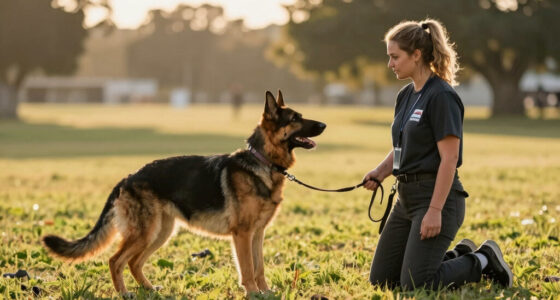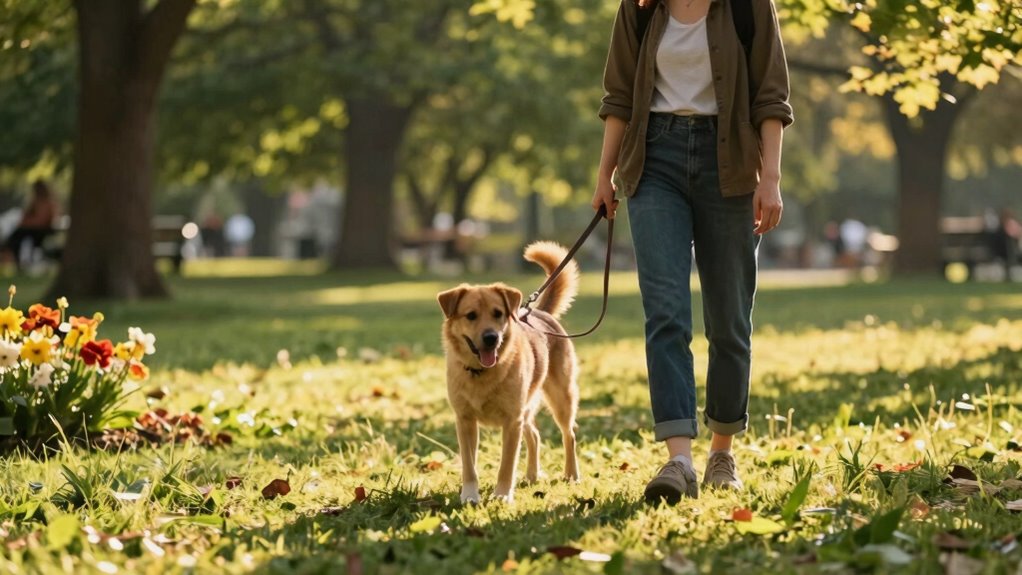

After a setback, restart loose-leash walking by staying patient and simplifying your approach. Use well-fitted equipment like a front-clip harness to maintain control and reinforce calm behavior. Keep training sessions short, positive, and focused on rewarding your dog for staying close. Identify triggers that cause distractions and gradually work with them at a distance. By maintaining consistency and celebrating small successes, you’ll help your dog regain confidence and build long-term progress—more tips await if you keep going.

Get pet supplies delivered free with Prime
- Fast, free delivery on millions of items
- Prime Video, Amazon Music and more included
- Member-only deals all year
Key Takeaways
- Restart training with short, positive sessions focusing on reinforcement of calm, loose-leash walking behaviors.
- Use proper equipment like a well-fitted harness to maintain control and reduce pulling.
- Identify and gradually expose your dog to triggers in controlled environments to rebuild confidence.
- Reinforce focus cues such as “heel” or “focus” to redirect attention during walks.
- Be patient, consistent, and celebrate small successes to rebuild trust and long-term loose-leash walking skills.
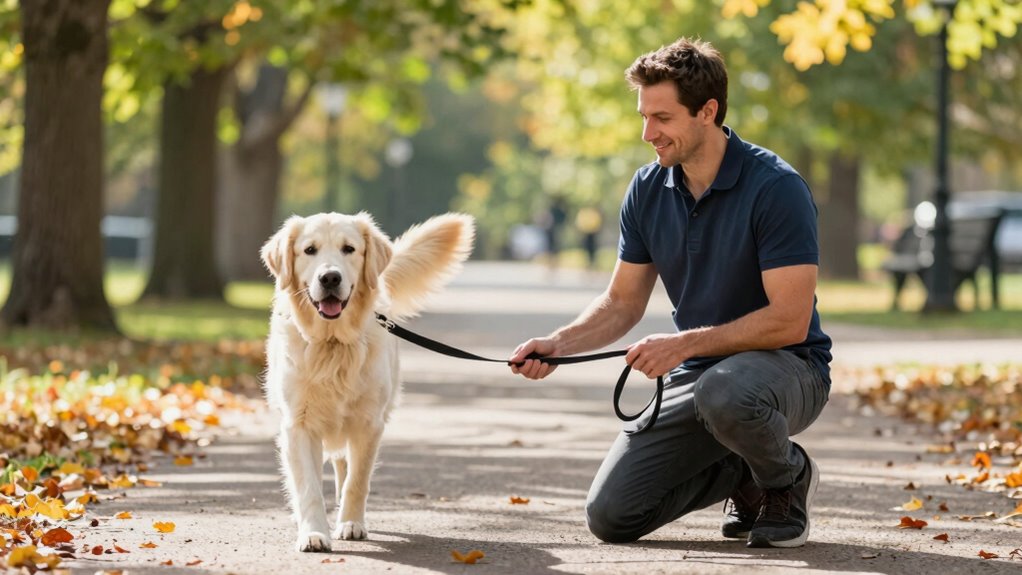
After a setback in your dog’s loose-leash walking progress, it can be tempting to feel discouraged, but it’s important to remember that setbacks are a normal part of training. Sometimes, your dog might suddenly pull more than usual or seem distracted during walks. This can happen for various reasons, including unfamiliar surroundings, changes in routine, or new behavioral triggers that stimulate their excitement or anxiety. Instead of getting frustrated, take a step back and reassess your approach. Use the right training equipment—like a well-fitted harness or a front-clip harness—to help manage pulling and give you better control. These tools can reduce strain on both you and your dog, making the walking experience more comfortable and productive. Remember, no single piece of equipment is a magic fix; it’s about how you use it consistently in training.
When your dog starts pulling again or gets distracted more easily, it’s key to identify the behavioral triggers behind their behavior. Is it the sight of other dogs, loud noises, or certain smells? Recognizing what prompts their pulling or distraction allows you to tailor your training sessions. For example, if your dog reacts strongly to other dogs, you can work on desensitization and counter-conditioning techniques, gradually exposing them to the trigger at a manageable distance. Keeping training sessions short and positive helps your dog stay engaged and prevents frustration from building up. It’s also helpful to reinforce calm behavior with treats and praise, especially when they resist the urge to pull or focus on you instead of external stimuli. Incorporating positive reinforcement techniques into your training can make a significant difference in your dog’s progress. Additionally, maintaining a consistent routine can help your dog feel more secure and less prone to distractions. Establishing a training routine is essential for building trust and stability during your walks.
Restarting your loose-leash training after a setback requires patience and consistency. Break down your walks into manageable segments, and set small goals for each session. Use your training equipment to gently guide and reinforce desired behavior, like walking beside you without pulling. If your dog becomes distracted or pulls, calmly redirect their attention back to you with a cue like “focus” or “heel,” rewarding them immediately when they comply. Over time, you’ll notice improvements, but don’t rush the process. Setbacks are a chance to refine your approach, address behavioral triggers, and strengthen your communication. Keep your sessions positive and celebrate small successes, knowing that each step forward brings you closer to reliable loose-leash walking. With patience and the right tools, your dog can overcome setbacks and develop better walking habits. Remember, training consistency is key to long-term success.
As an affiliate, we earn on qualifying purchases.
Frequently Asked Questions
How Long Should I Wait Before Restarting Training After a Setback?
You should wait until your dog shows consistent progress and improved behavior, which could take a few days to a week. Focus on training patience and guarantee your dog is comfortable with leash adjustments before restarting. Don’t rush the process; give your pup time to recover emotionally and physically. Once they’re ready, gradually reintroduce training with positive reinforcement, and stay patient to rebuild trust and confidence.
Can a Setback Occur Even With Consistent Training?
Every dog is different, and setbacks can happen even with consistent training. Remember, patience is a virtue, and training patience is key. A setback doesn’t mean failure; it’s part of the process. Behavior consistency over time helps your dog learn what’s expected. Keep your training steady, stay positive, and understand that setbacks are normal. With perseverance, you’ll see progress again, and your dog will regain confidence and good behavior.
What Are Common Causes of Setbacks in Loose-Leash Walking?
Training setbacks often stem from behavioral regression, where your dog forgets or reverts to previous habits. Common causes include distractions, changes in environment, or inconsistent training cues. Sometimes, stress or fatigue can trigger regression. To prevent this, stay consistent, keep training sessions short and positive, and gradually reintroduce distractions. Recognizing these triggers helps you address setbacks quickly, ensuring your dog remains confident and focused on loose-leash walking.
How Do I Rebuild My Dog’s Confidence After a Setback?
You can rebuild your dog’s confidence by engaging in trust-building activities and confidence-boosting exercises. Spend quality time rewarding your dog for calm behavior, using treats and praise to reinforce positive experiences. Keep training sessions short, fun, and consistent, gradually increasing difficulty. Be patient, stay calm, and avoid rushing. Your steady, positive approach helps your dog regain trust and confidence, making loose-leash walking enjoyable again.
Are There Signs That Indicate My Dog Is Ready to Restart Training?
You’ll know your dog is ready to restart training when they display patience during walks and respond reliably to training cues. Watch for signs like calm behavior, focused attention, and willingness to engage without frustration. When your dog consistently shows these signs, it indicates they’re prepared to rebuild confidence and patience. This foundation helps guarantee your training sessions are positive, effective, and enjoyable for both of you.
Conclusion
Remember, setbacks are just part of the journey, not the end. With patience and consistency, you can rebuild your dog’s confidence and enjoy relaxed, loose-leash walks again. Are you ready to take that next step and turn challenges into opportunities for growth? Keep your focus, stay positive, and celebrate small victories along the way. Before you know it, those stress-free strolls will become your new normal. You’ve got this!
Fall Picks
fall essentials
As an affiliate, we earn on qualifying purchases.