TL;DR

Get pet supplies delivered free with Prime
- Fast, free delivery on millions of items
- Prime Video, Amazon Music and more included
- Member-only deals all year
Jay, a dog rescued from hazardous conditions in Central North Carolina, completed nearly 17 weeks at the ASPCA Behavioral Rehabilitation Center. The ASPCA says he made progress with handling, leashing and unfamiliar people before being transferred to Greenville Humane Society for adoption. The supplied report does not confirm whether Jay has been adopted.
Jay, one of nearly 20 dogs removed from hazardous conditions in Central North Carolina, completed nearly 17 weeks of behavioral rehabilitation and was transferred to ASPCA partner shelter Greenville Humane Society to seek a home, according to an ASPCA report. The organization says the fearful dog became more comfortable with people, handling and travel during treatment, though the supplied report does not confirm that he has been adopted.
The ASPCA said it was called to assist in late August 2025 and removed the dogs from an extremely unsanitary and hazardous home. They were taken to an ASPCA recovery facility for veterinary and behavioral examinations, medical treatment and ongoing care. During Jay’s behavioral assessment, staff observed that he was particularly fearful of people, handling and leashes.
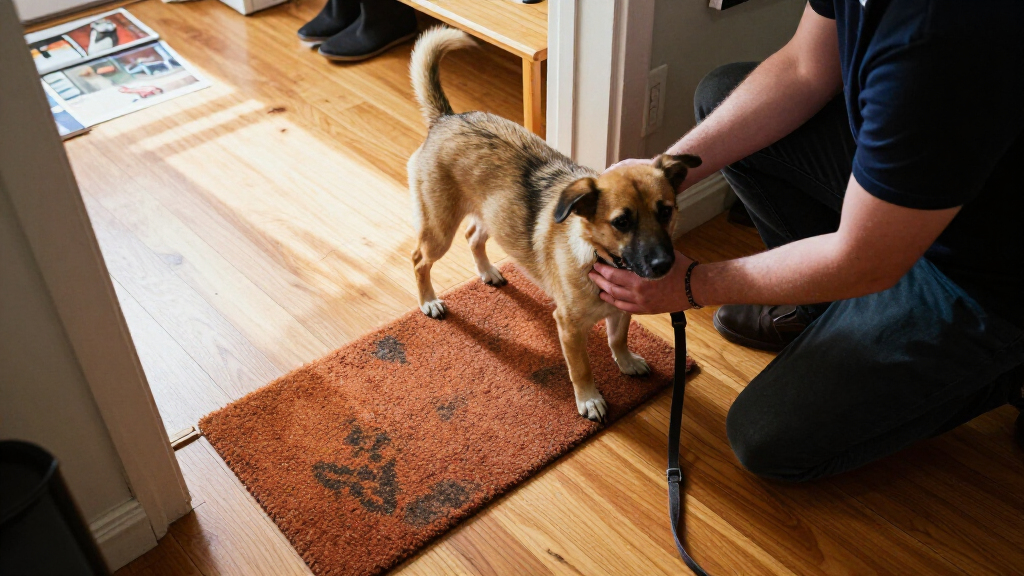
Jay was later transferred to the ASPCA Behavioral Rehabilitation Center in Weaverville, North Carolina, which provides intensive support for fearful dogs. Staff used food, games, gentle handling and gradual leash practice to help him build positive associations with people and everyday care. They also worked on recall and engagement after observing that he sought exits and avoided situations he found uncomfortable.
The ASPCA said training gradually expanded to walks in unfamiliar areas, doorways, new people, sounds and car travel. By graduation, Jay could wear a harness for walks and take part in activities with staff and other dogs. The report describes progress during the program; it does not establish how Jay is doing in a home or whether a family has adopted him.
How Jay Prepared for Home Life
Jay’s case shows how a rescue may involve more than removing an animal from immediate danger. The ASPCA says his early fear of handling and leashing would have made routine experiences—such as walks, veterinary care and meeting unfamiliar people—difficult. His rehabilitation focused on building skills relevant to those ordinary parts of life before he was presented for adoption.
The account also illustrates the role of partner shelters in a rescue process. After treatment, Jay moved to Greenville Humane Society for the next stage of finding a home. That transfer connects specialized behavioral care with a local shelter that can work toward an adoption match. The ASPCA report provides no adoption outcome, so the confirmed development is his program graduation and shelter transfer, not a completed placement.
As an affiliate, we earn on qualifying purchases.
From Rescue to Rehabilitation
The dogs were removed from a home in Central North Carolina after the ASPCA was asked to help in late August 2025. The organization says all of the dogs were transported to its recovery facility, where they received examinations and care. Jay’s assessment identified specific concerns around people, restraint and leashing, prompting his move to the specialized center in Weaverville.
The ASPCA says Jay spent nearly 17 weeks in treatment, slightly longer than the center’s average graduation period. The report describes a step-by-step program: staff started with manageable interactions and increased the challenge as Jay became more comfortable. Exercises included leash work, handling, meeting unfamiliar people, exploring new spaces and getting used to vehicles. The supplied account ends as Jay’s search for a home begins and gives no further placement details.
“He was hesitant to be leashed in his kennel and often used avoidance behaviors rather than engaging with people.”
— Meredith W.
Jay’s Adoption Status Is Unreported
The supplied ASPCA report confirms Jay’s transfer to Greenville Humane Society, but the provided text stops before giving details about a prospective adopter or a completed adoption. It is not clear whether Jay has since found a home, how he is adjusting after leaving the rehabilitation center, or whether he still needs particular support from an adopter.
The source also does not give identifying details about the home where the dogs were found, the circumstances that led to the referral, or the outcomes for the other dogs. No conclusions about those matters can be drawn from the account provided.
Shelter Search for Jay’s Family
The next step described in the report is Jay’s search for an adoptive home through Greenville Humane Society, an ASPCA partner shelter. The source does not provide an adoption timeline or say whether the shelter has since matched him with a family. Any update on his placement would need to come from the shelter or the ASPCA.
For now, the reported milestone is that Jay completed the center’s program and was transferred for adoption following weeks of work on confidence, handling and new experiences. His eventual placement and adjustment in a home remain unconfirmed in the supplied material.
Key Questions
What happened to Jay?
Jay was rescued from hazardous conditions, completed nearly 17 weeks of behavioral rehabilitation and was transferred to Greenville Humane Society to seek an adoptive home, according to the ASPCA.
Why was Jay sent to a rehabilitation center?
During an assessment, staff observed fear around people, handling and leashing, along with avoidance and attempts to find exits. The ASPCA transferred him for specialized behavioral support.
What training did Jay receive?
The ASPCA says staff used games, food, gentle handling, leash practice, recall exercises and gradual exposure to unfamiliar people, places, sounds and car travel.
Has Jay been adopted?
The supplied report does not confirm an adoption. It says Jay was transferred to Greenville Humane Society to continue his search for a home.
Source: rss
Halloween Picks
halloween
As an affiliate, we earn on qualifying purchases.